I had made Nara’s familiar circuit many times: feeding the deer, visiting Todai-ji and Kasuga Taisha, passing Kofuku-ji’s five-storied pagoda, and scouting the little dessert cafes nearby. But every visit had been a day trip, and I always had to be back in Kyoto or Osaka before dark. Nara had always belonged to daylight for me. Shisui was the reason I finally stayed the night.
Arrival
It Begins with a Hundred-Year-Old Gate
Within these walls, one chapter of postwar Japan took shape.
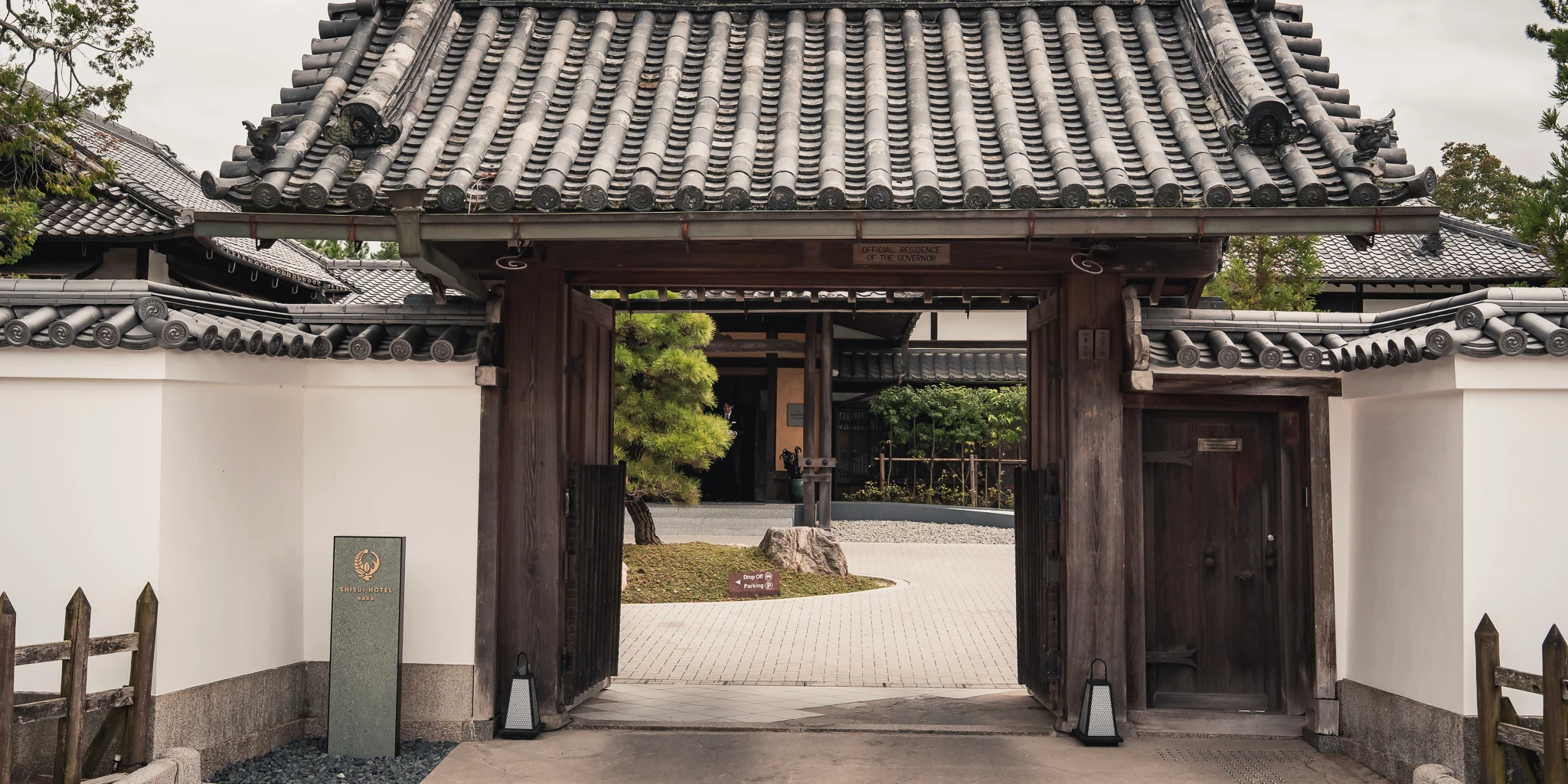
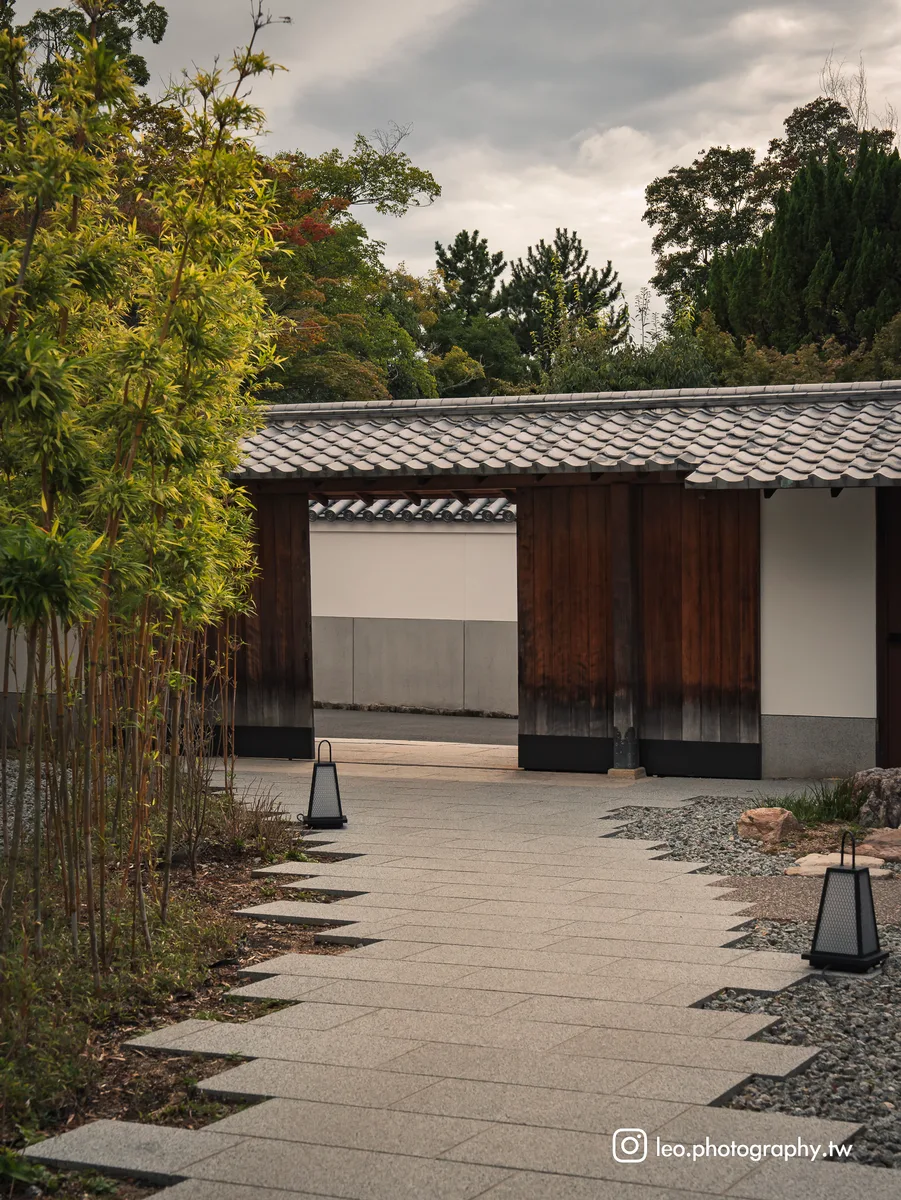
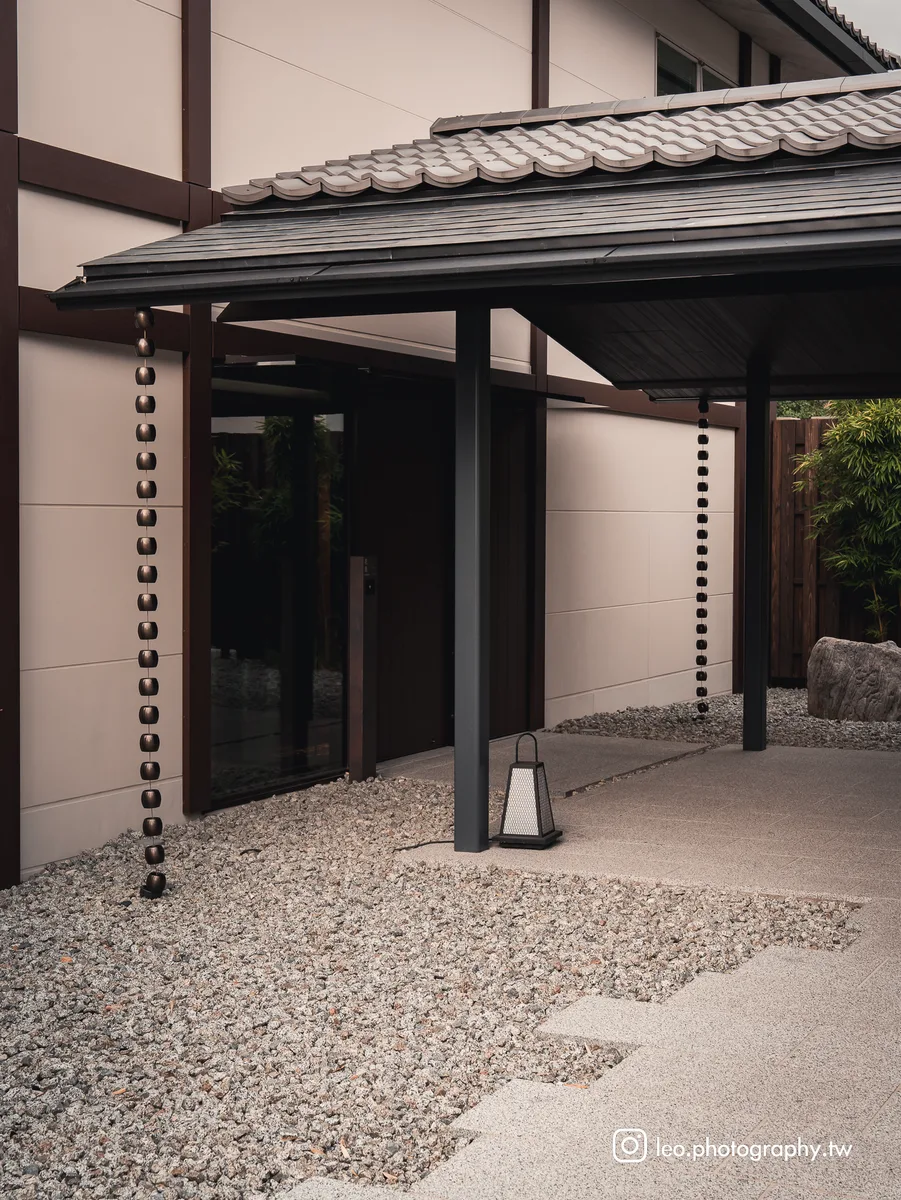
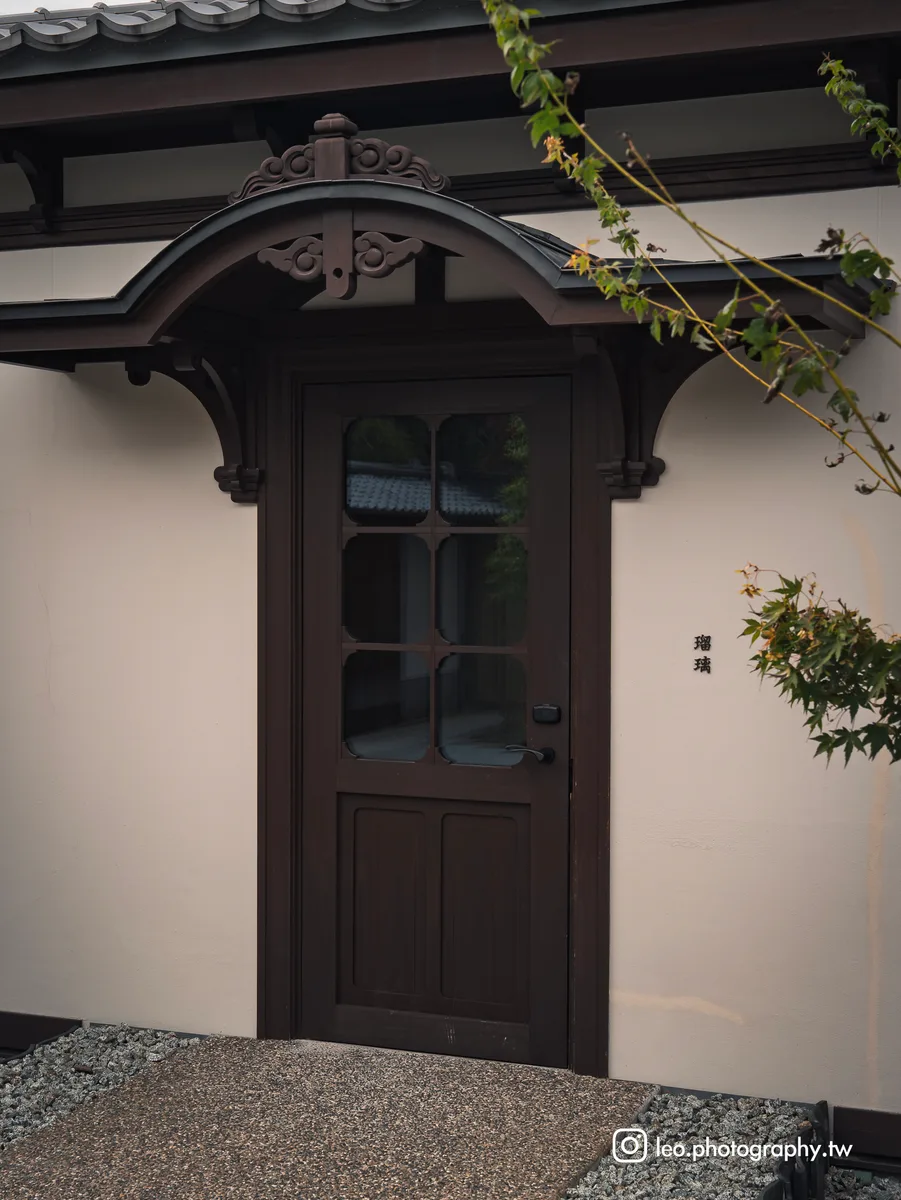
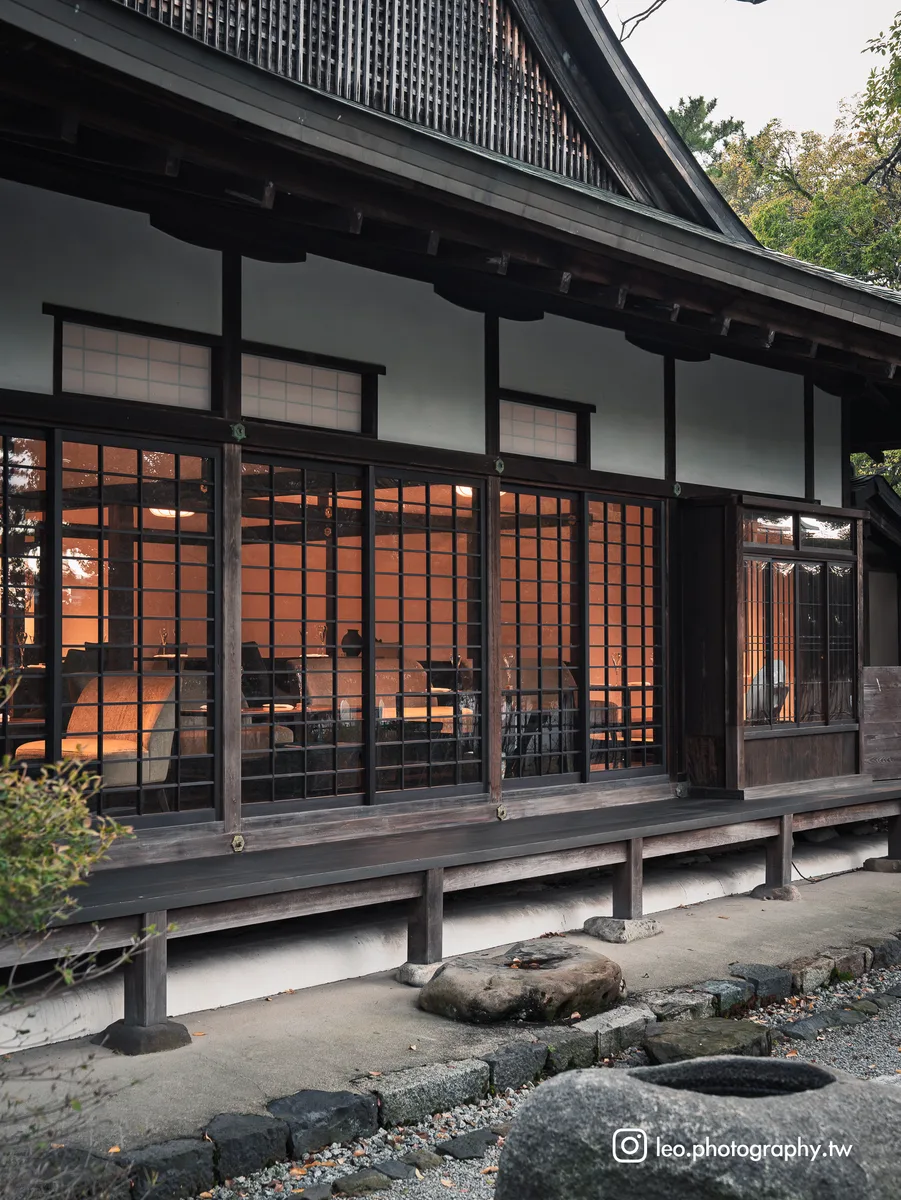
As I turned off the lane toward the entrance, Shisui’s heavy wooden gate rose before me, weathered and dark beneath its tiled roof. On the lintel hung a small, unassuming plaque that read “OFFICIAL RESIDENCE OF THE GOVERNOR,” and it quietly gave away the building’s past: this was the former Nara Prefectural Governor’s Residence, completed in 1922, and for a whole century it served as the governors’ home and reception hall. In a room just off the main hall, Emperor Showa once signed the instruments of ratification for the San Francisco Peace Treaty and the U.S.–Japan Security Treaty. Within these walls, one chapter of postwar Japan took shape.
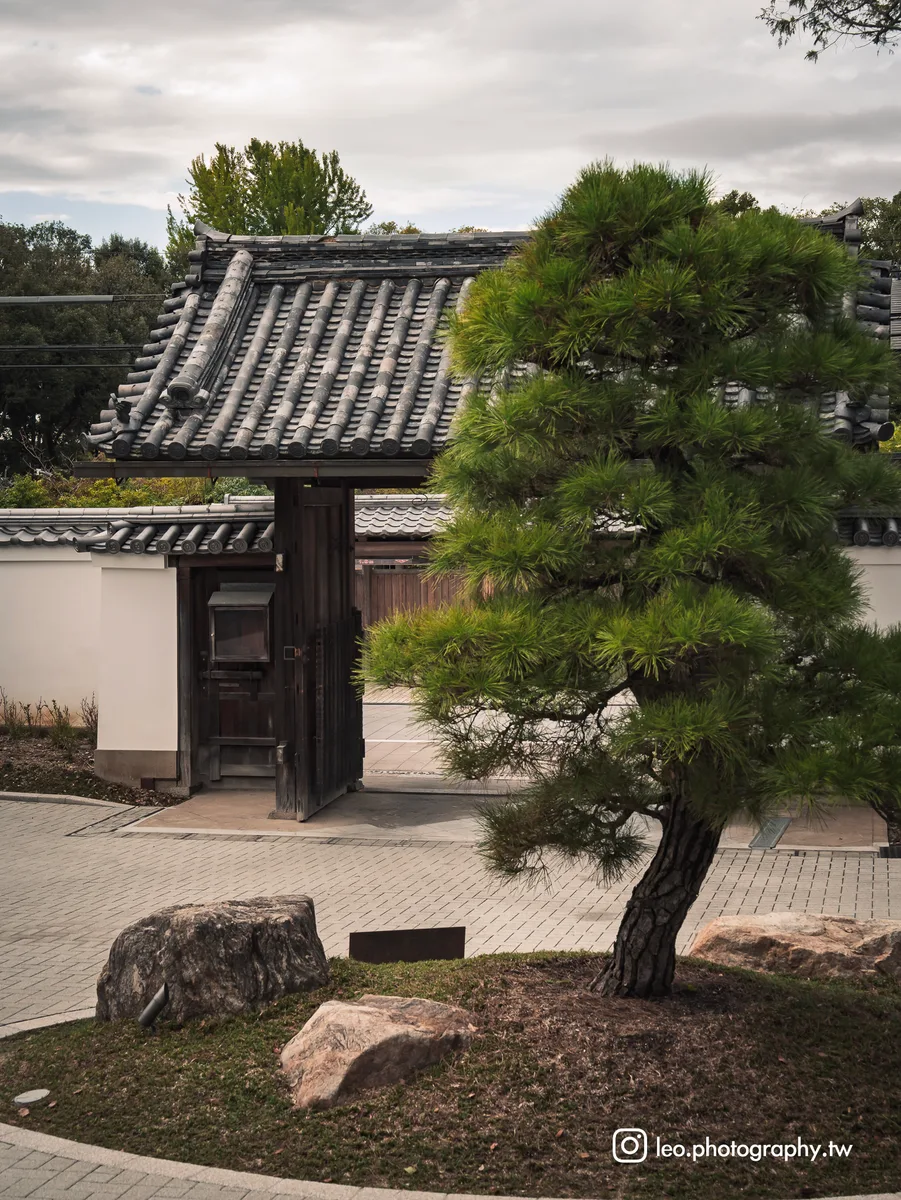
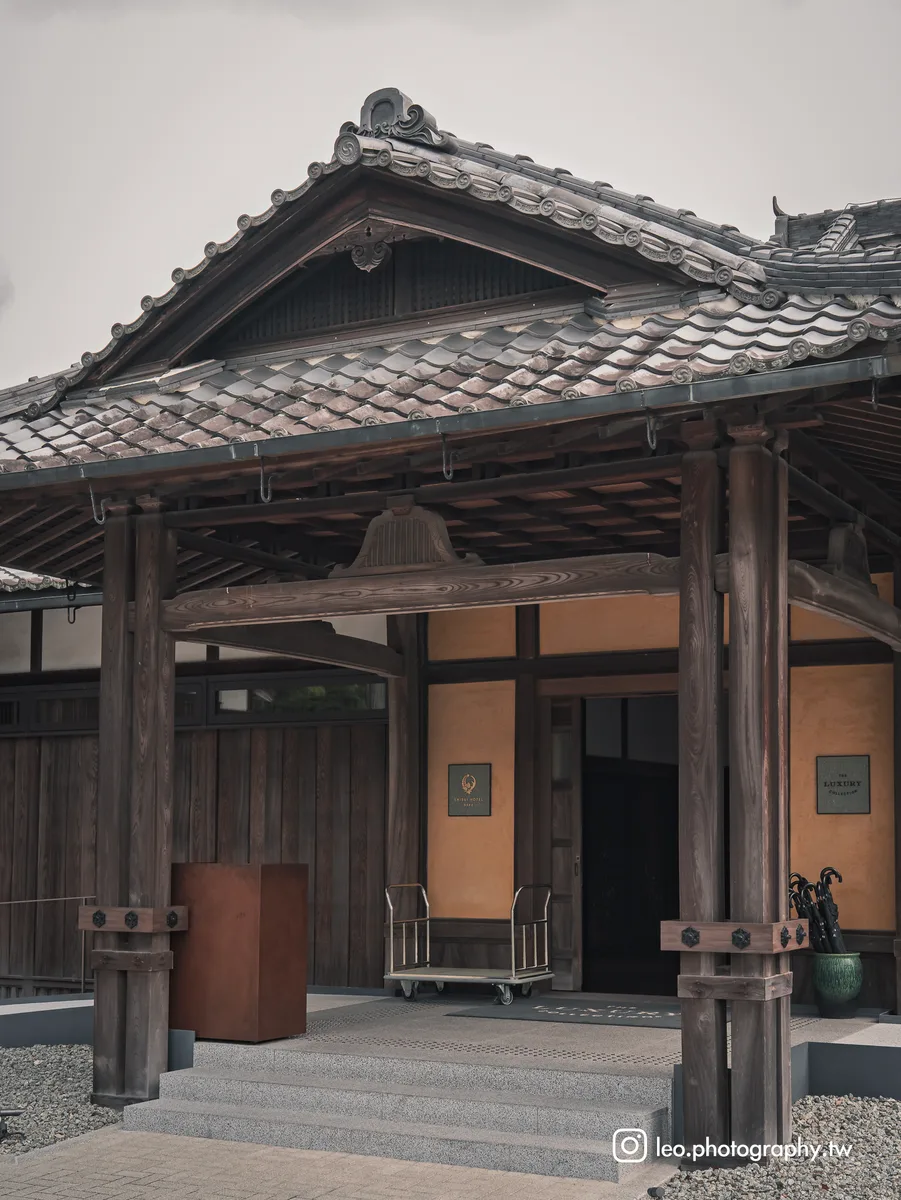
Years of weather have darkened the timber to a deep brown, while the white walls on either side remain almost luminous. Black tile, raw wood, and white plaster come together in quiet harmony. Kengo Kuma led the revival of the whole property. He placed the new guest-room wings farther back, so every arrival begins with the century-old residence. By the time I had crossed the entrance hall and climbed the few stone steps, the quiet sense of stepping into history had already settled over me.
Lobby
Neiraku: Old Hours in the Lobby
A grainy hiss, like an old record, draws the room back into another time.
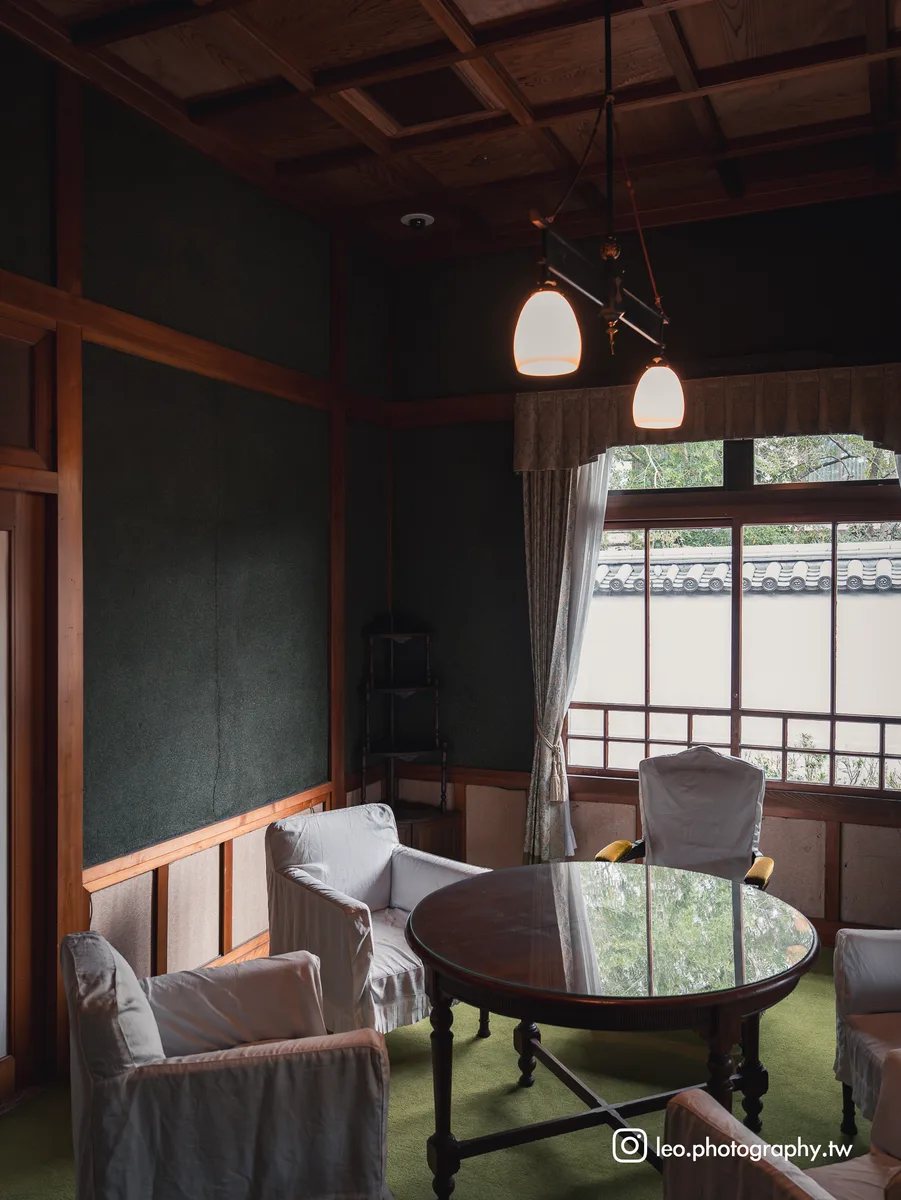
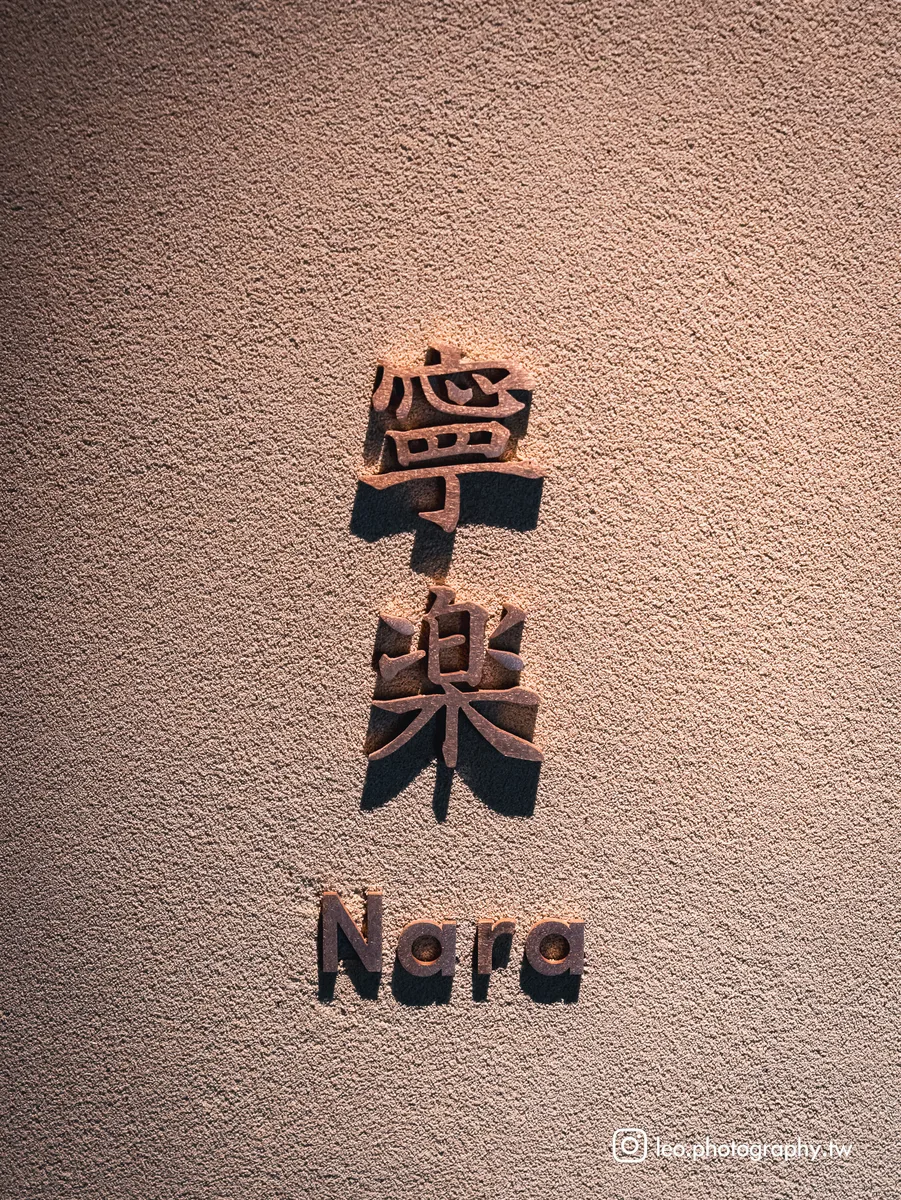
Step inside and you come to the hotel’s lobby lounge, Neiraku. The two characters 寧樂 are written large on the wall, with a small “Nara” beside them. I later learned that Neiraku is an old, graceful way of writing “Nara,” used in the age of the Man’yōshū and chosen for its sense of “peace and ease.”
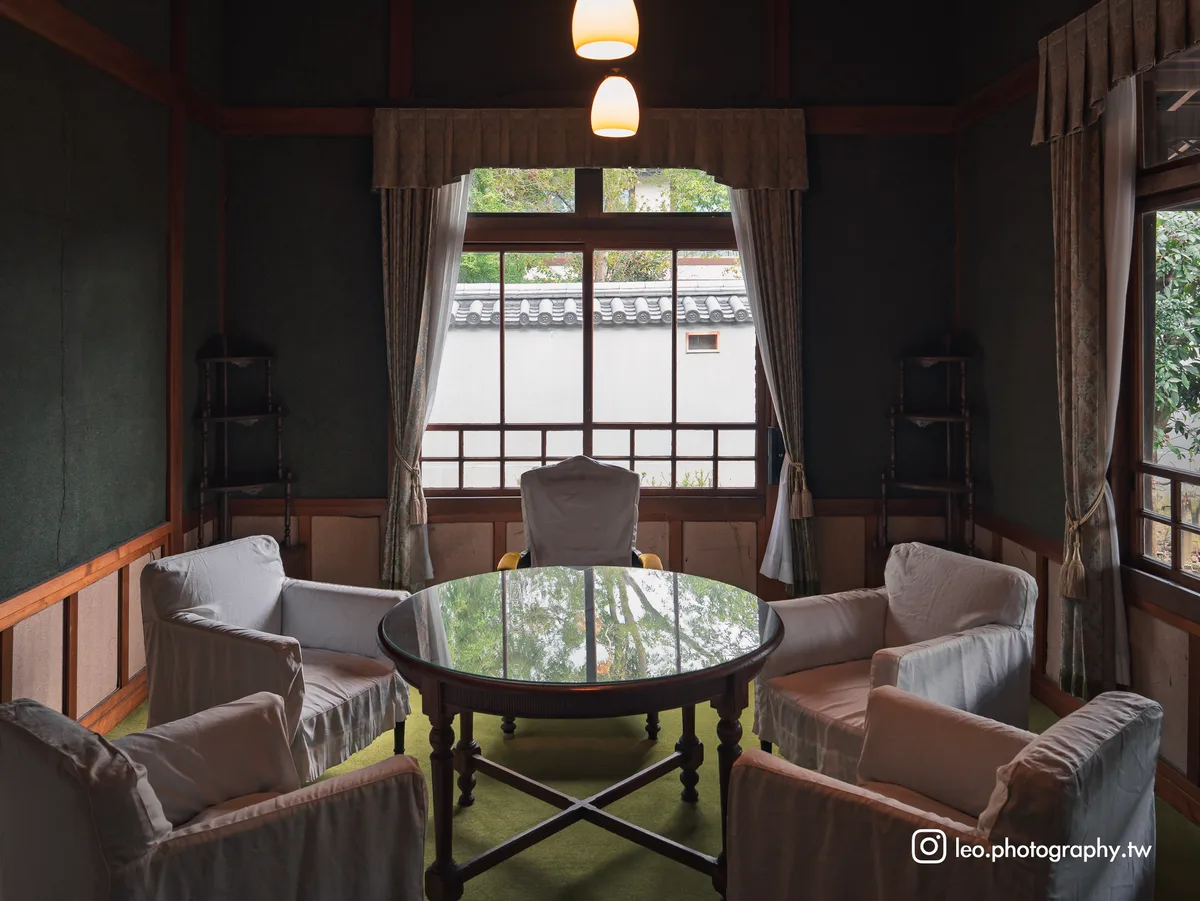
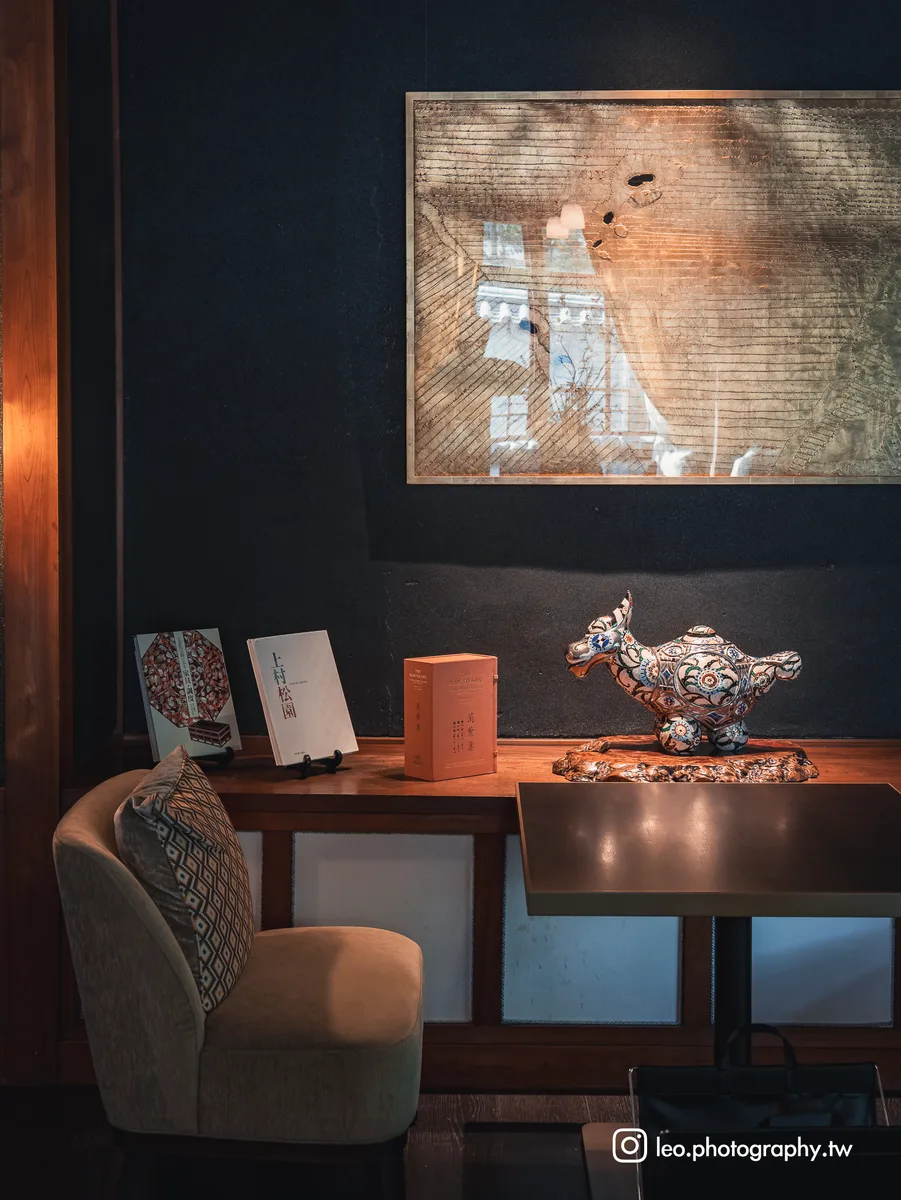
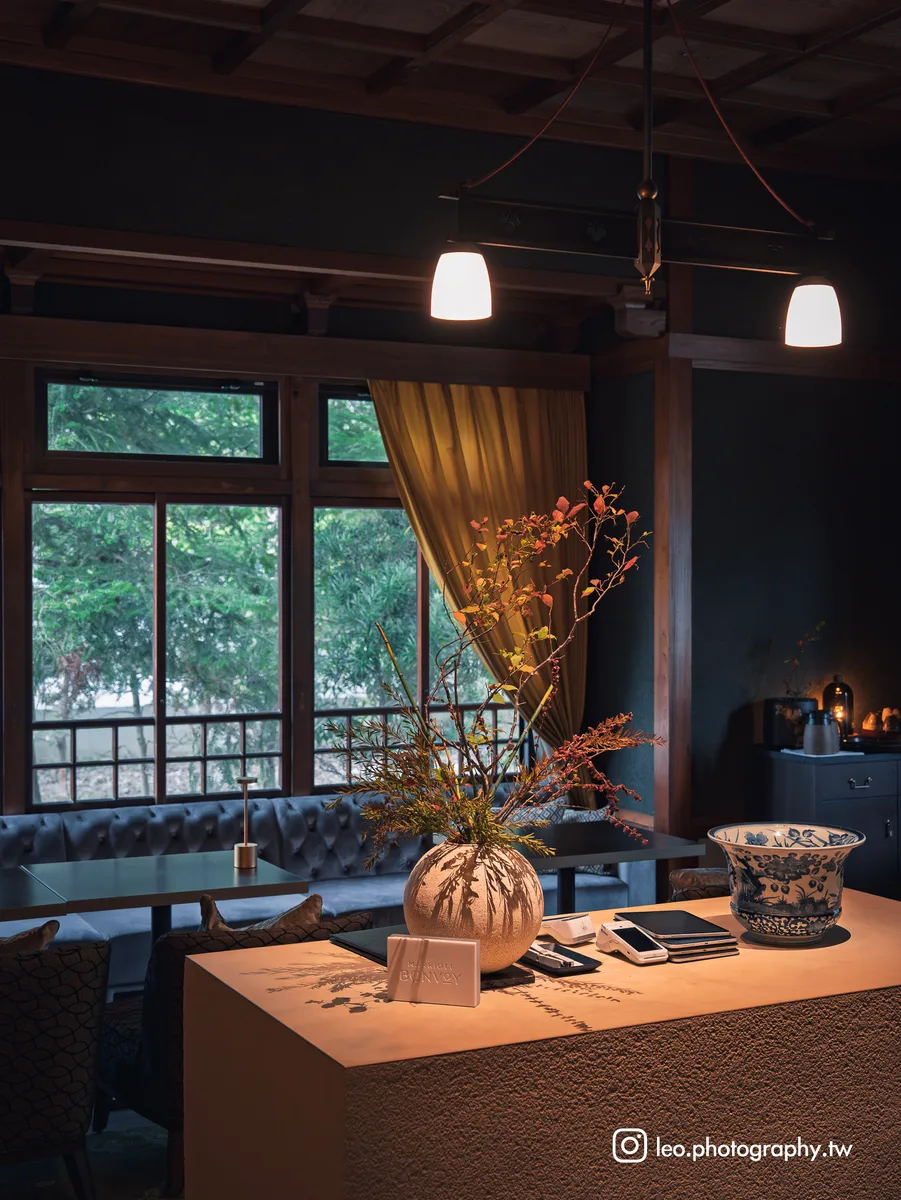
The lounge keeps that same unhurried, old-world air. Its deep green walls, mustard-yellow curtains, and wooden window frames stay in low light while the afternoon sun drifts in through the glass. What surprised me most was the music coming through modern speakers. A grainy hiss, like an old record, draws the room back into another time. The staff move and speak with unhurried grace, and Neiraku feels almost like an old drawing room.
Room & Onsen
Beyond Daytime Nara
Close the door, slip into the warm water, and the bustle of Nara fades beyond the room.
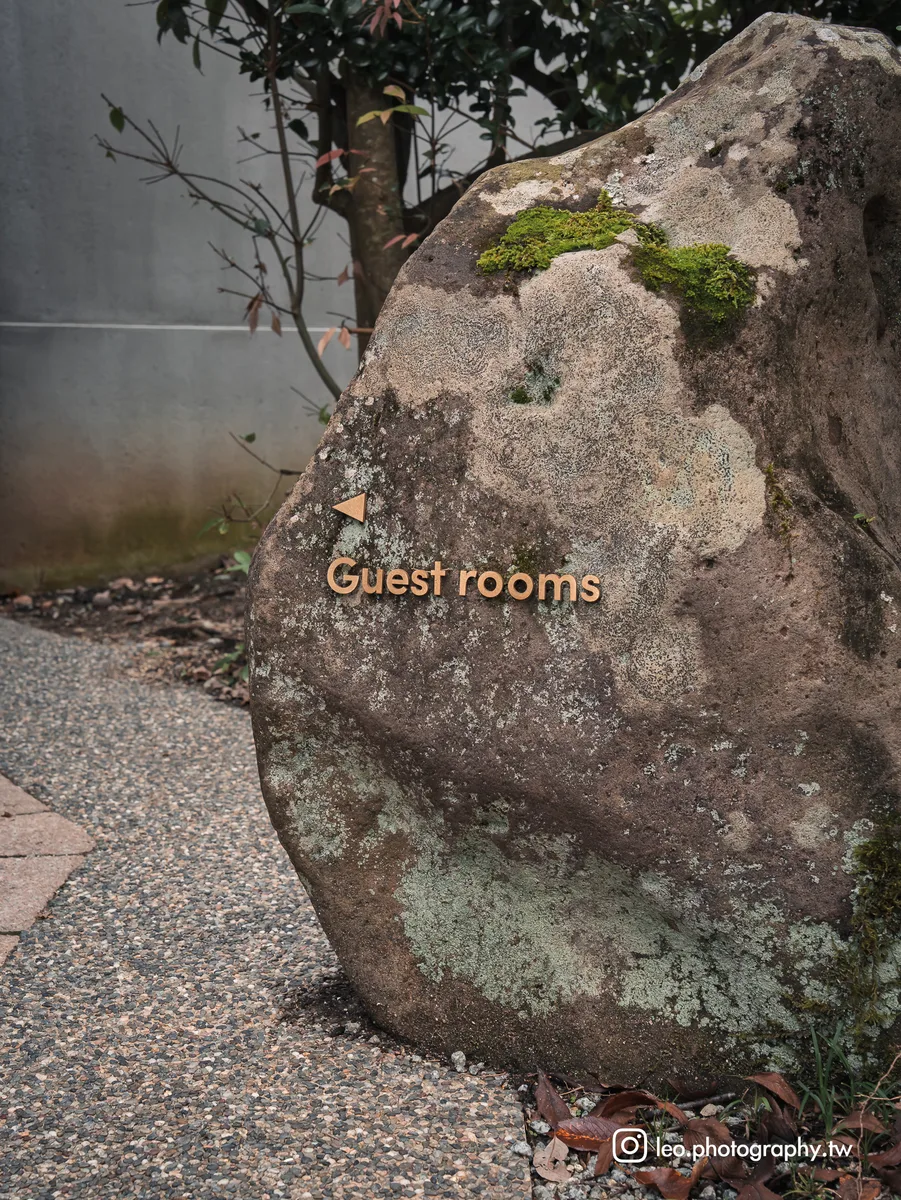
After we checked in, a staff member led us through the gardens and lanes to the guest-room wing at the back. We had booked a deluxe room with its own open-air onsen. Inside, the compact room paired a hammered headboard panel with wooden furniture, white walls, and warm amber light. Beyond the window was a tiny tsuboniwa, an inner courtyard garden.
The open-air bath draws natural hot-spring water that slips from a stone spout. Once you settle in, there is nothing before you but a bamboo fence and a patch of still green woods. Nara by day is loud and busy. Close the door, slip into the warm water, and the bustle of Nara fades beyond the room.
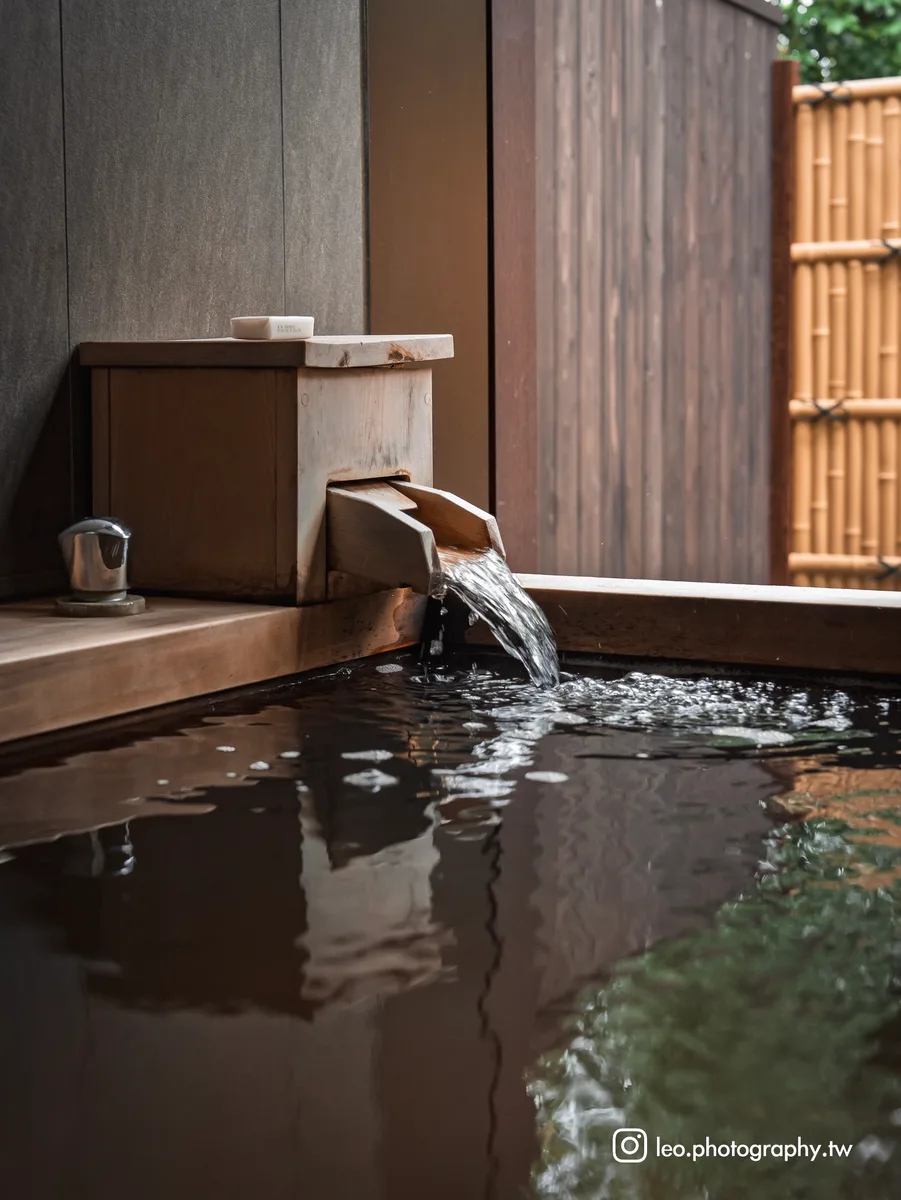
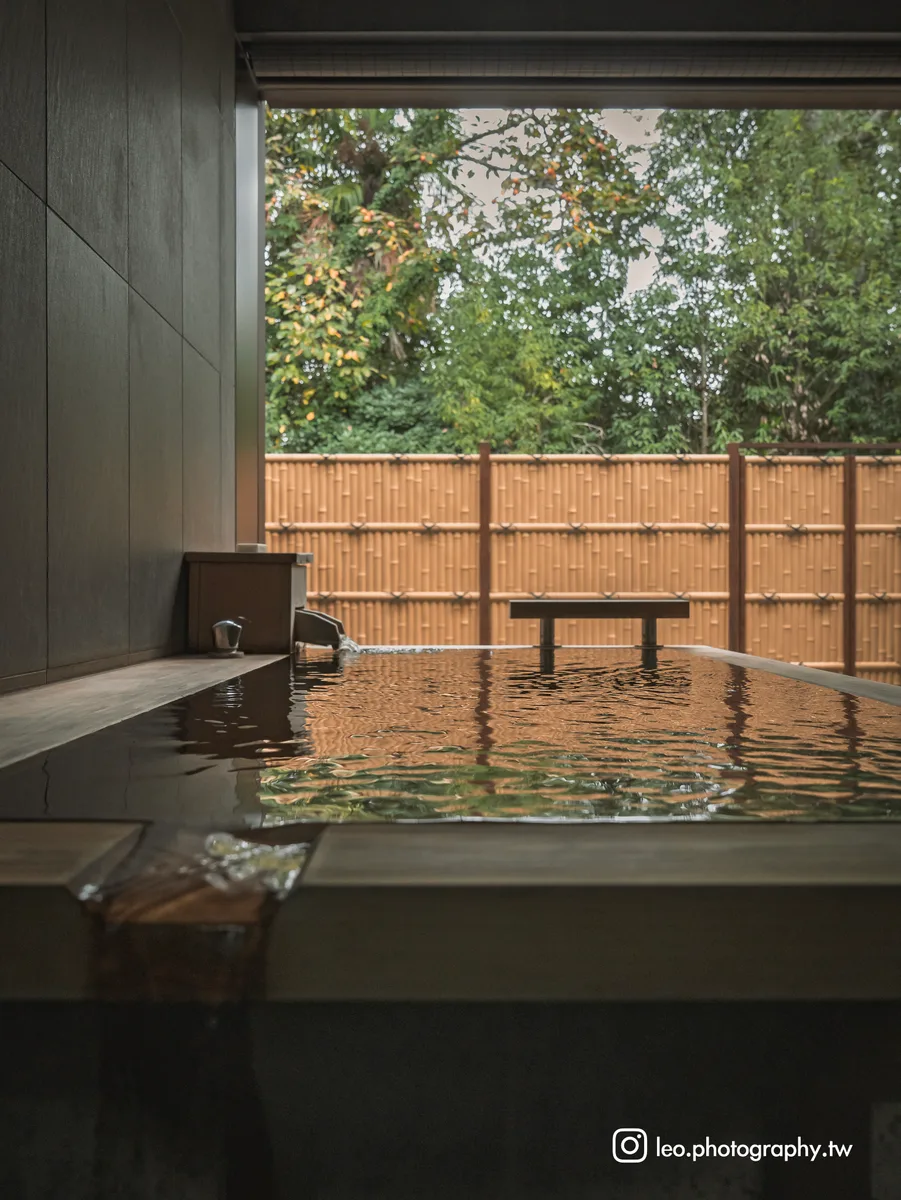
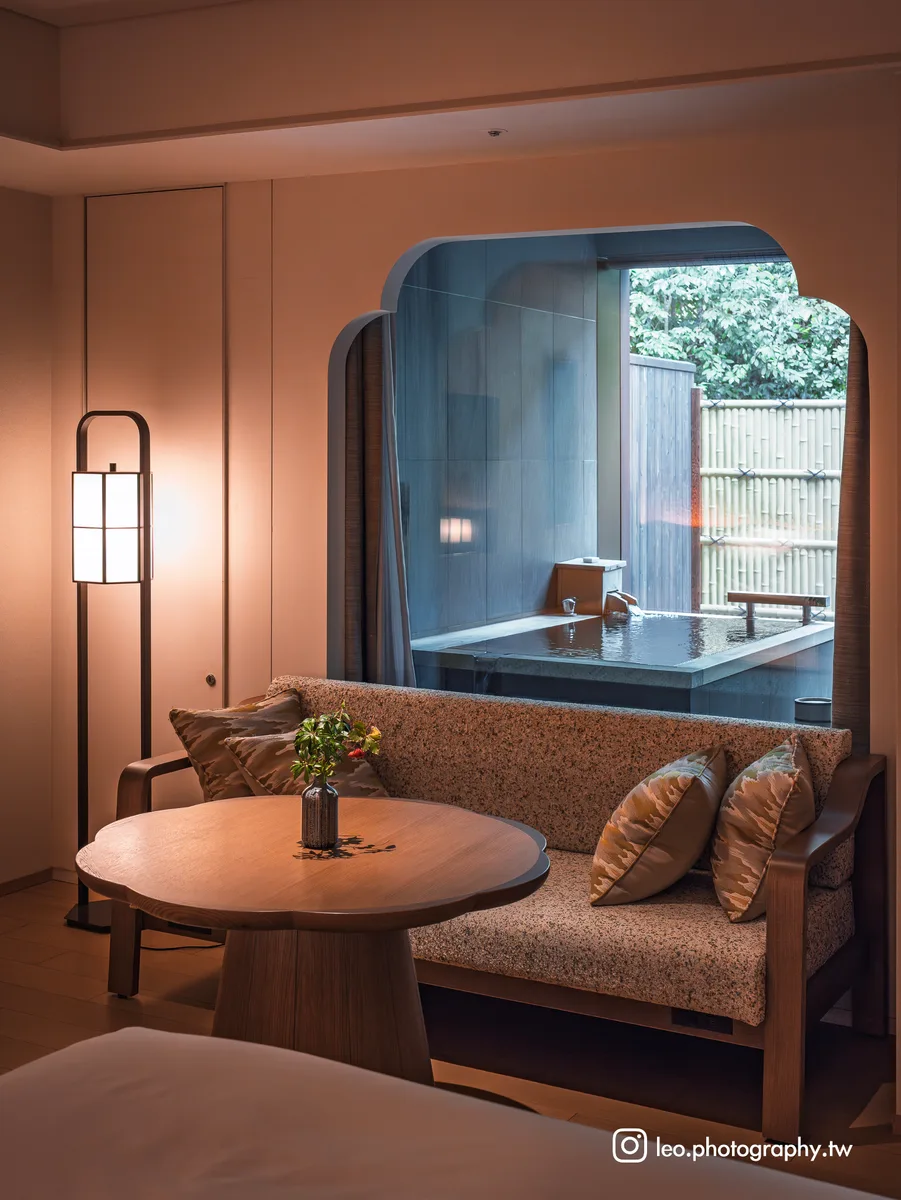
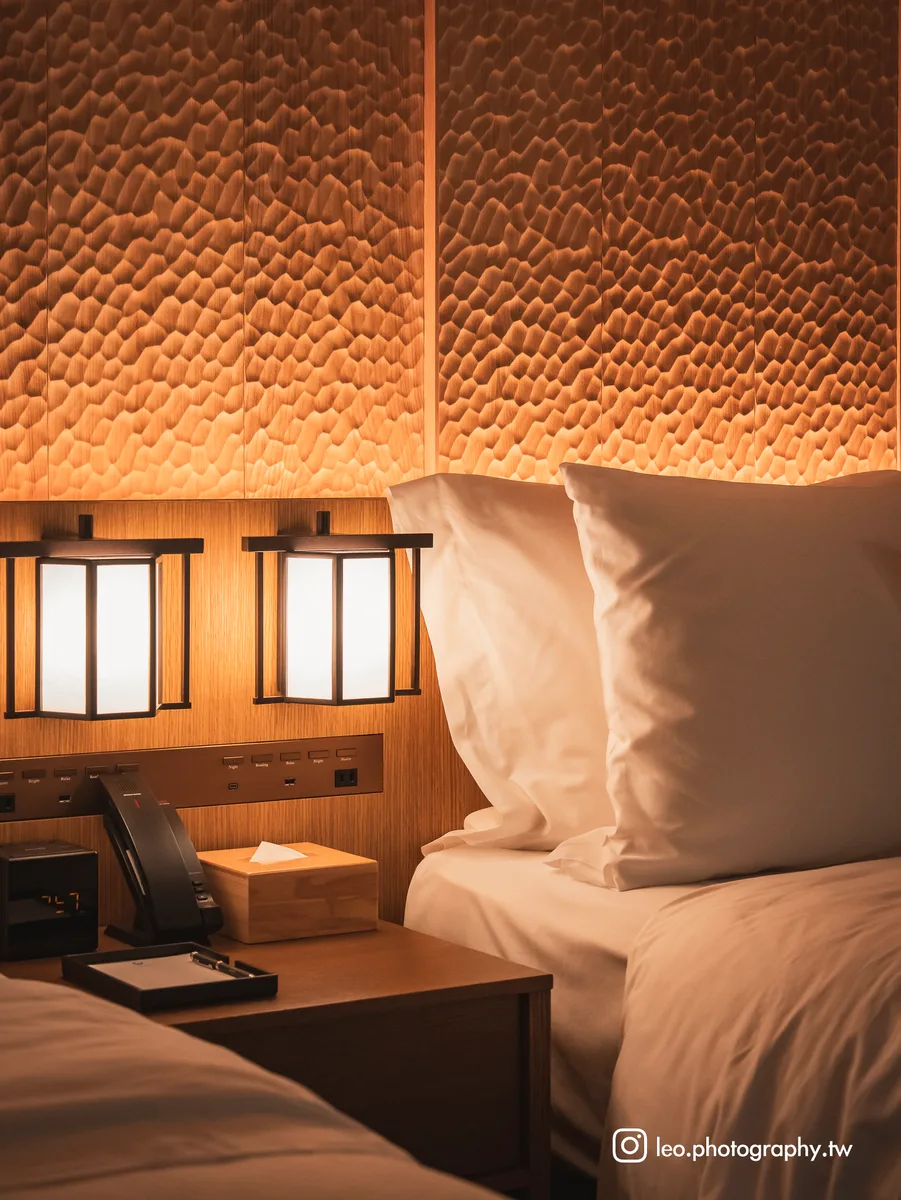
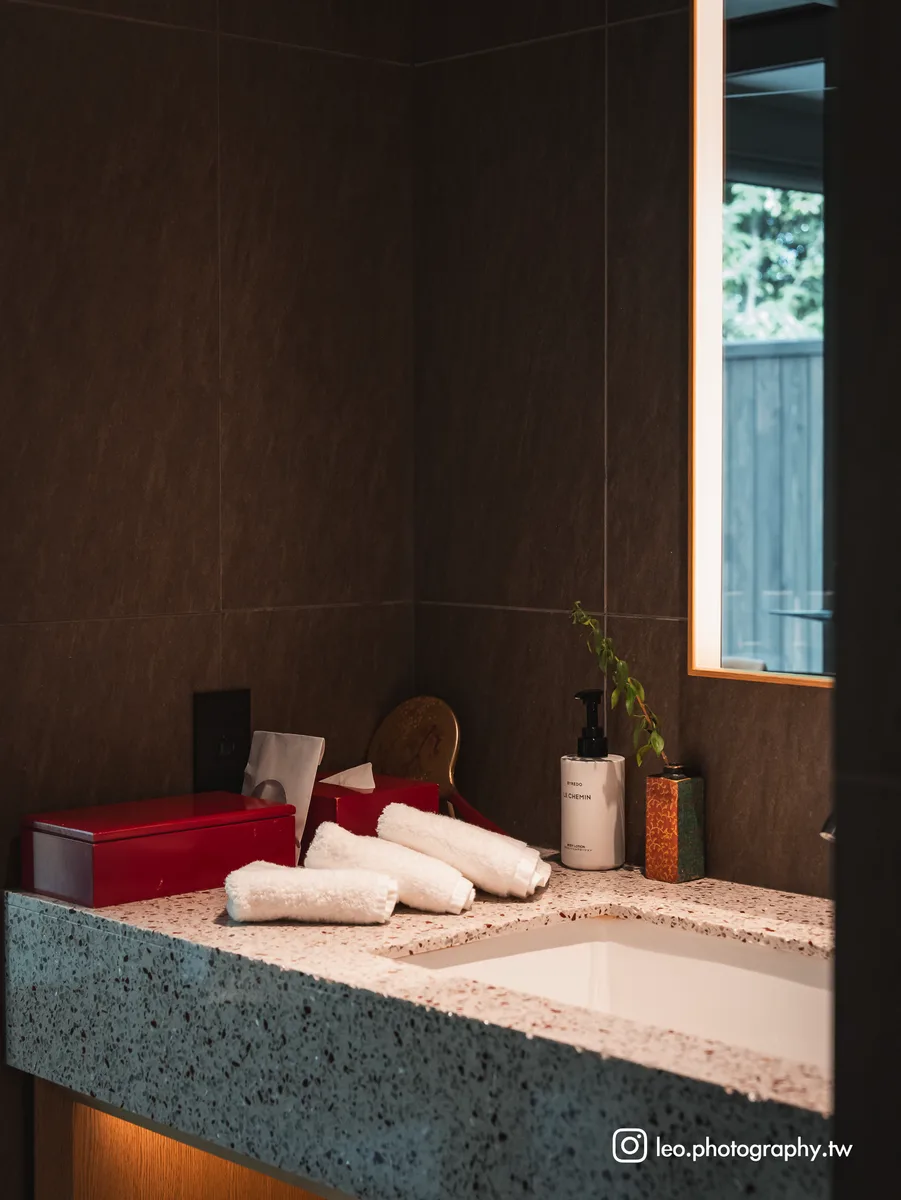
The room's open-air bath draws natural hot-spring water that runs quietly from a stone spout, with the tsuboniwa garden just outside.
Lunch
A Lunch Along the Silk Road
Nara was once the eastern end of the ancient Silk Road.
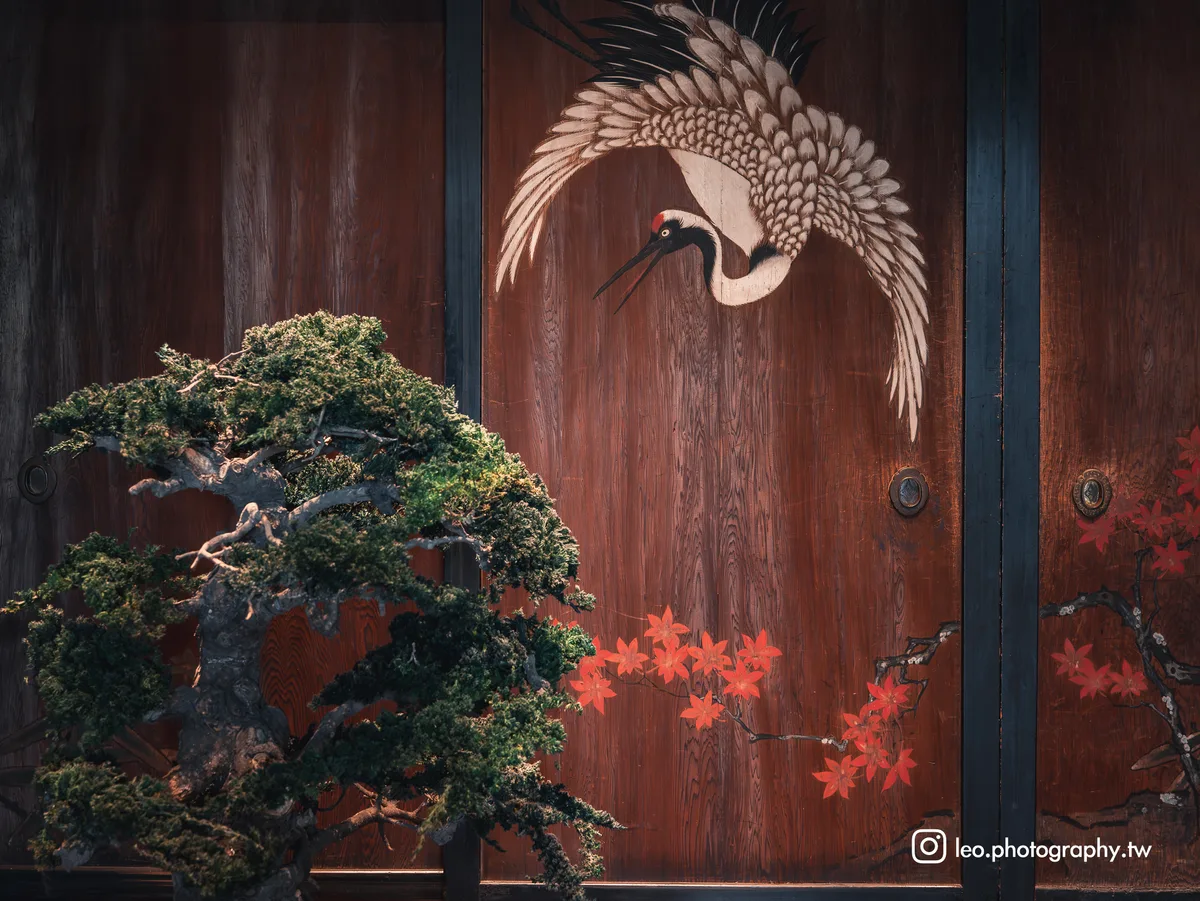
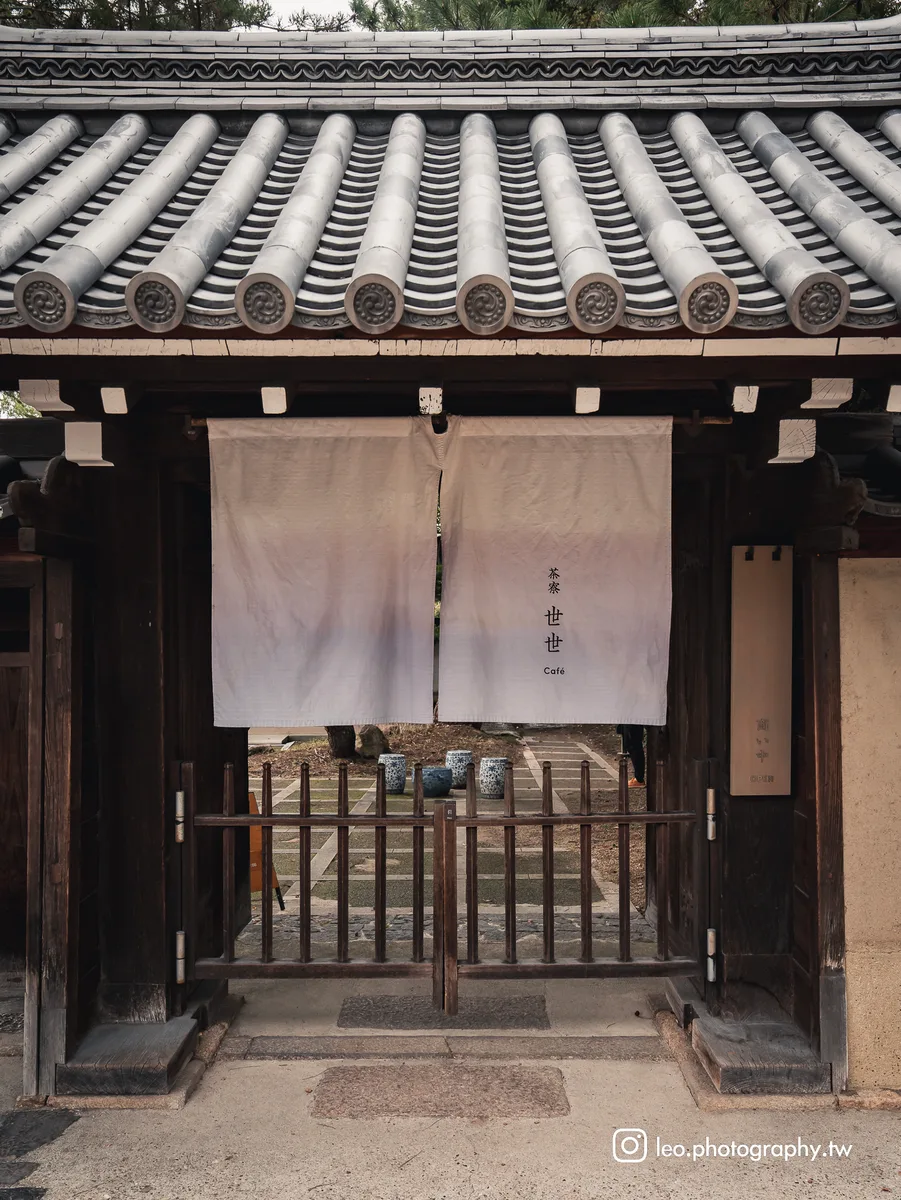
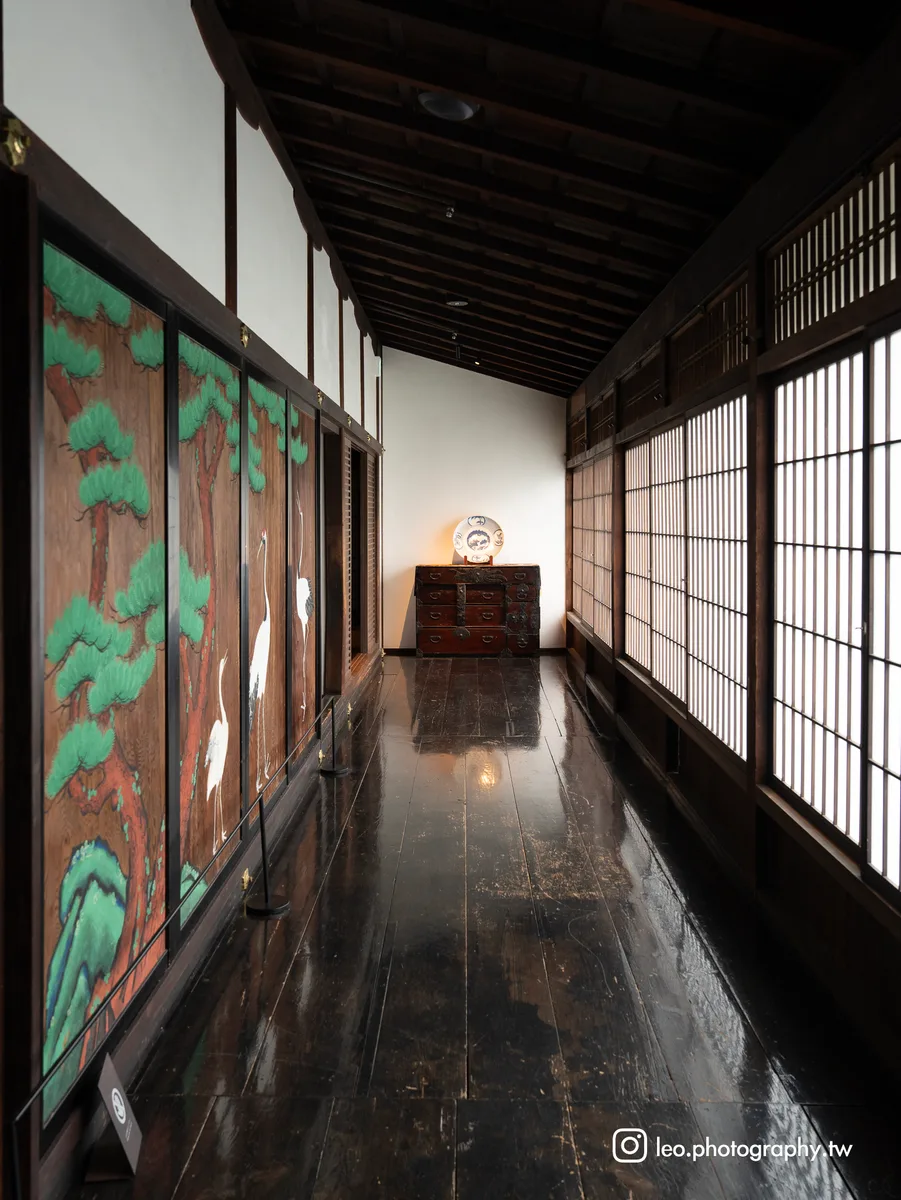
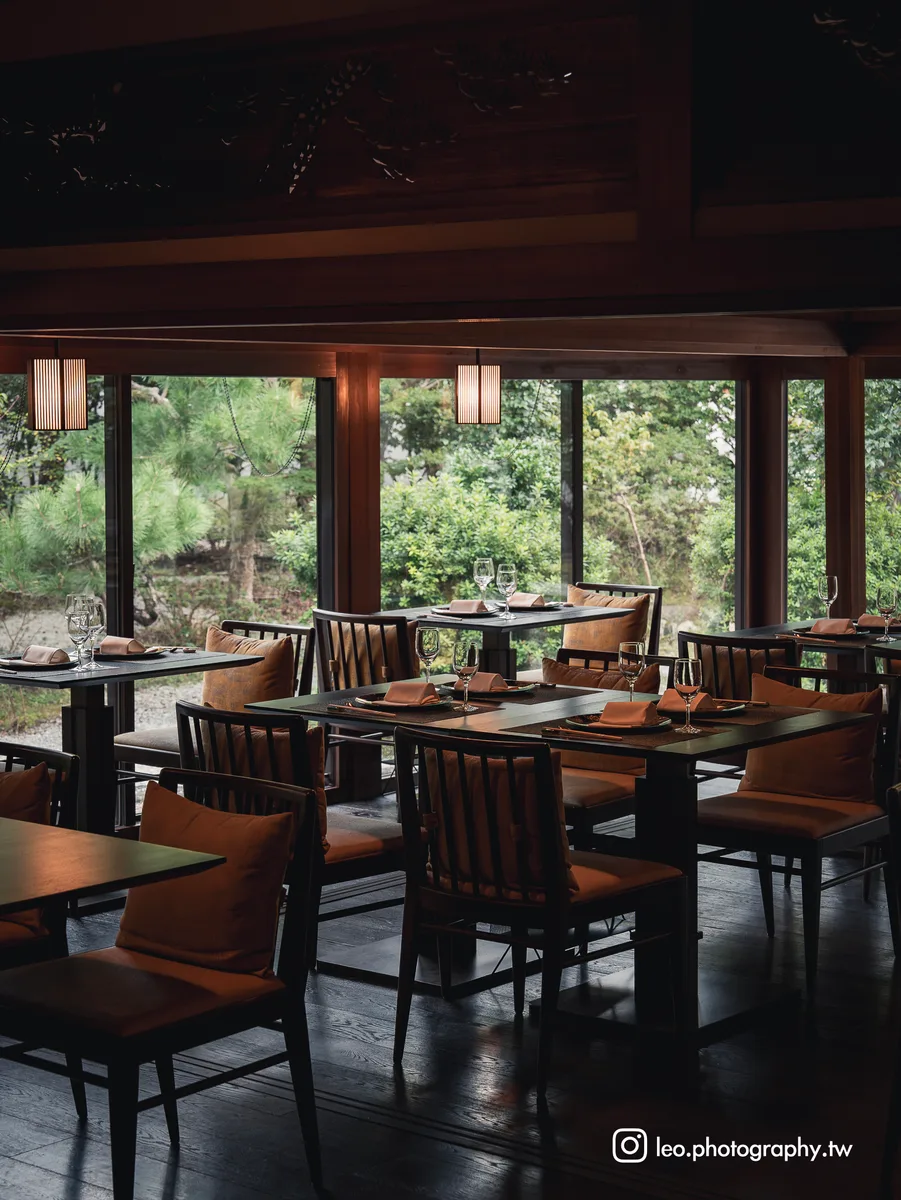
For lunch we chose Café Zeze, the tearoom on the far side of the property, once Seson-in, a sub-temple of Kofuku-ji dating to 1804 and now a restaurant that opens onto the garden. You push the wooden door open from the garden and lift the noren curtain marked 世世 (Zeze), and the building itself comes into view. Along the corridor to the seats, cranes are painted on the cedar door panels, each standing quietly beneath a pine.
Both Café Zeze and the main restaurant draw on the same history. Nara was once the eastern end of the ancient Silk Road. More than a thousand years ago, spices and other influences reached the city along that route. Café Zeze translates that history into a menu that uses spice generously. Where much refined Japanese cooking favors restraint, these dishes let aroma lead.
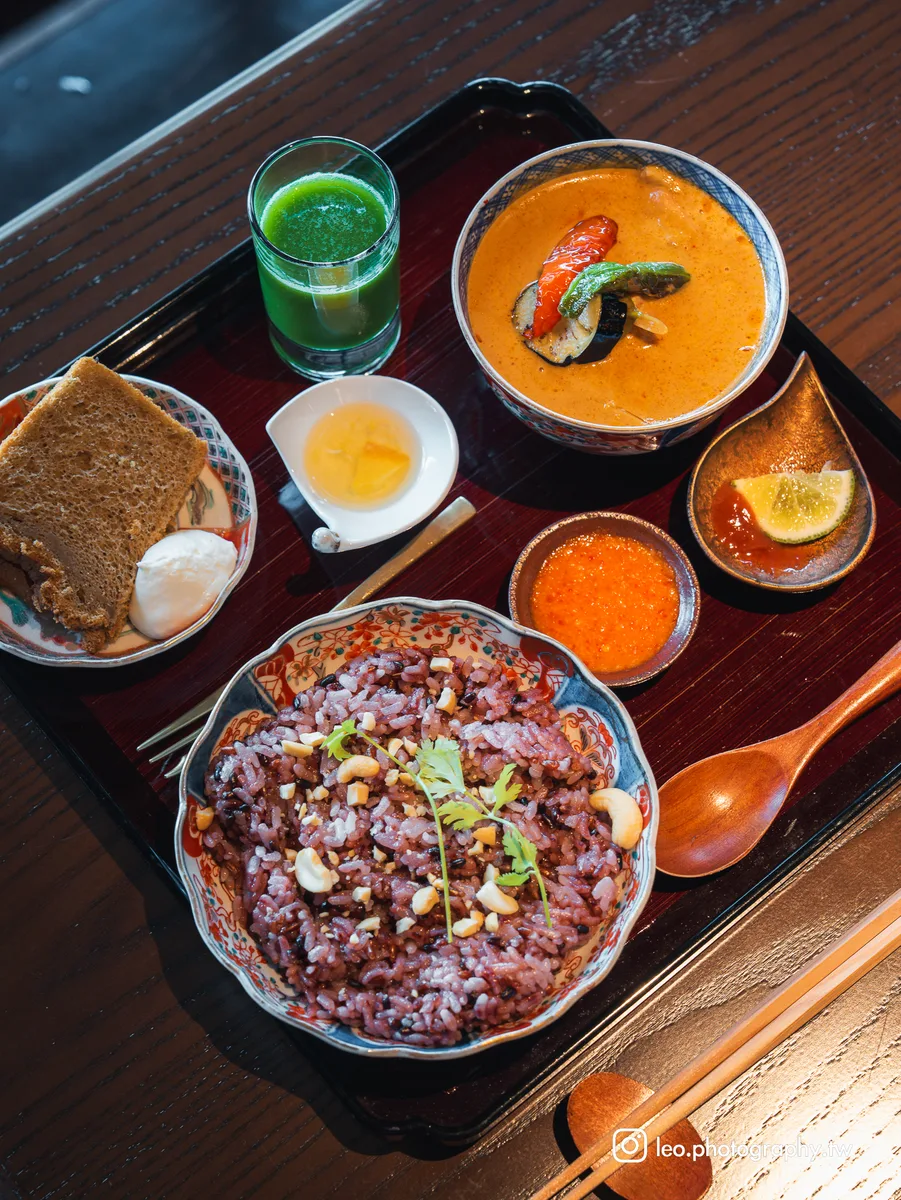
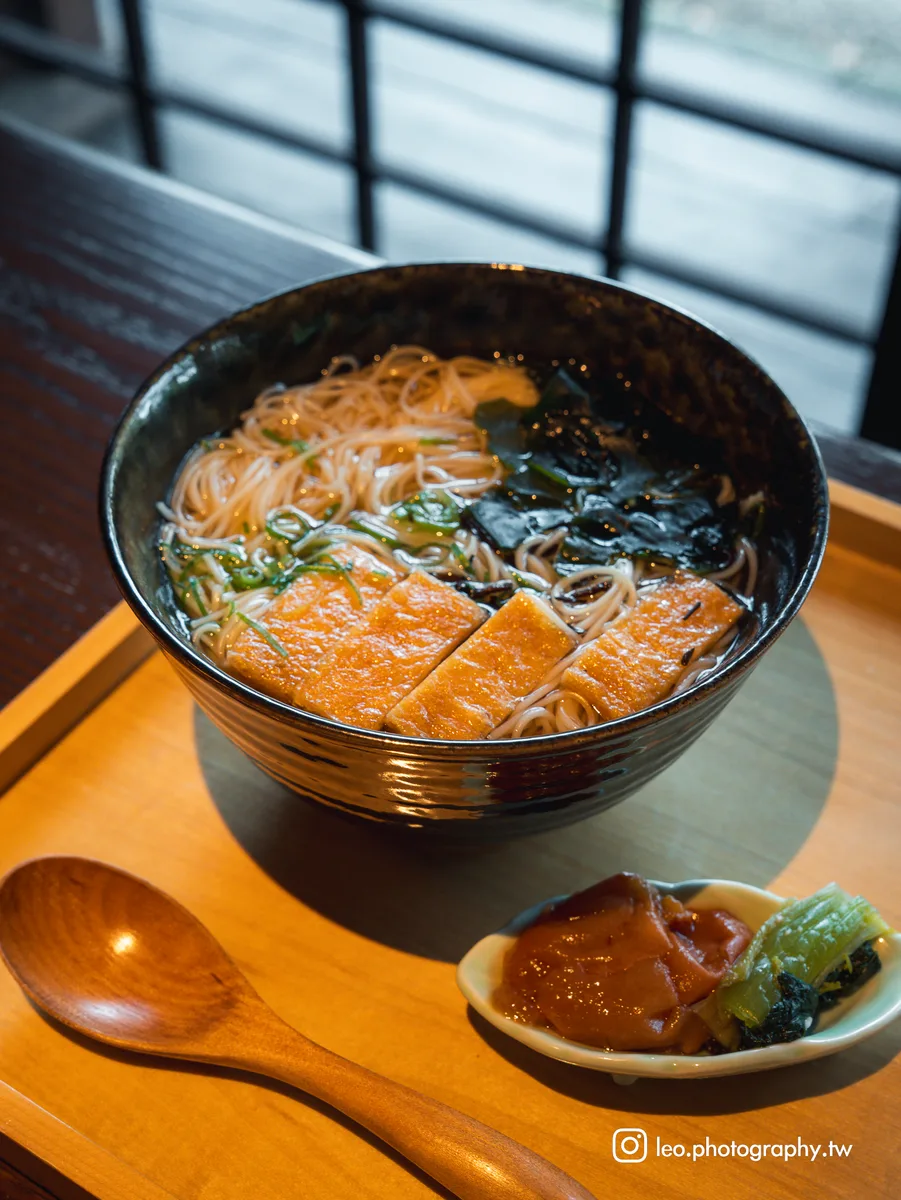
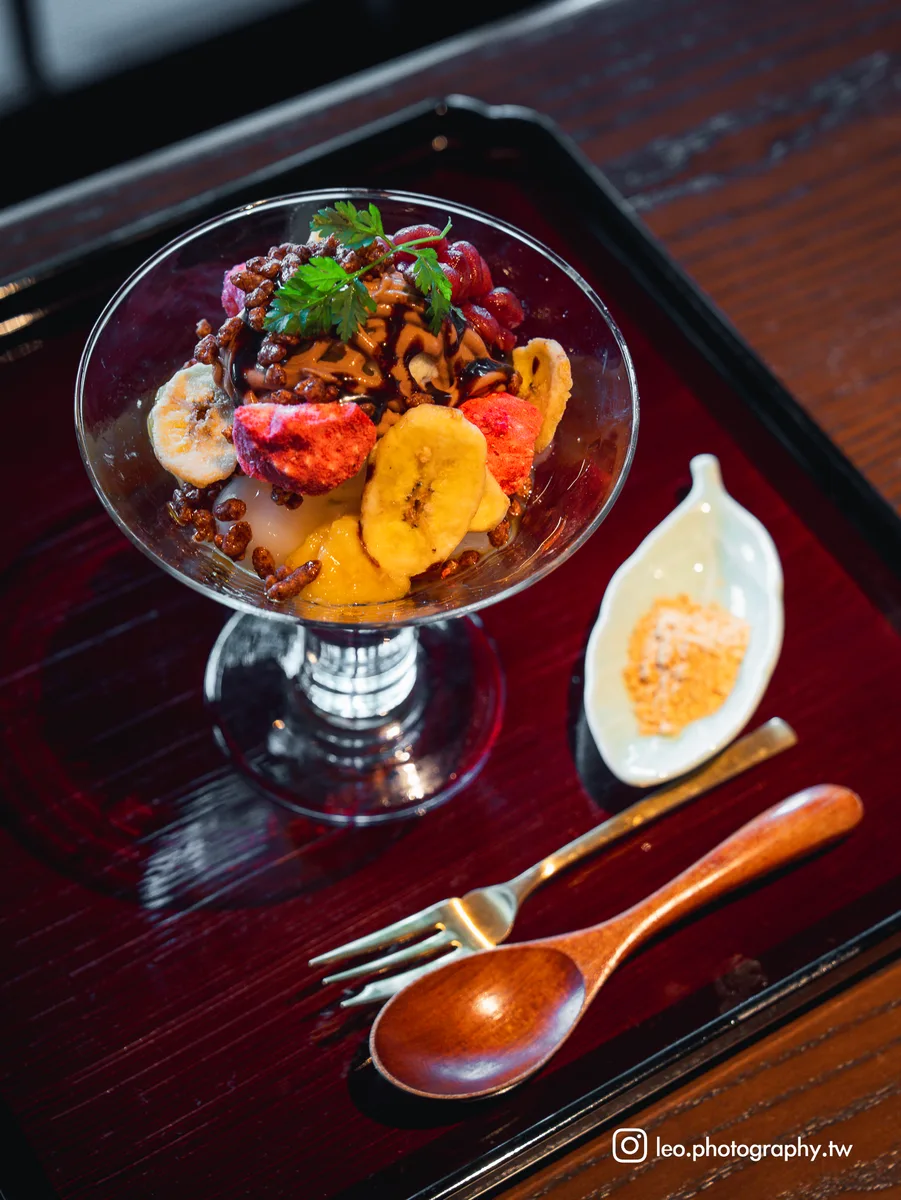
Red curry comes with cashew-studded purple rice and a cold-pressed green vegetable juice, a classic Café Zeze lunch shaped by the spices of the Silk Road.
Dusk
The Season on Suiyou's Table
Everything on the table led back to Nara.
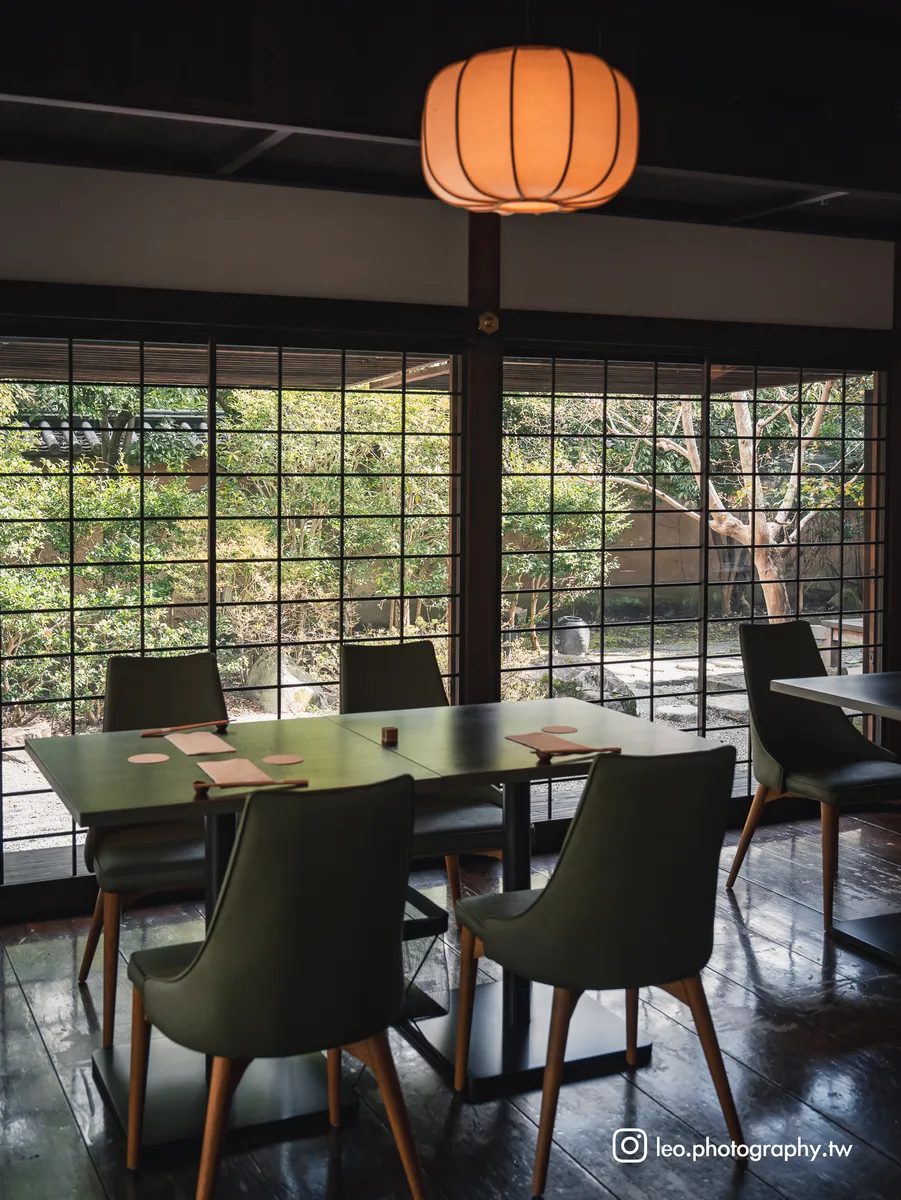
At dusk, Café Zeze hosts Garden Delight. Once guests are seated, the staff bring champagne with cheese and rice crackers. While the last light lingers, you can look through the latticed sliding glass doors to the garden and sky beyond. It is the hotel’s answer to happy hour or an evening aperitif.
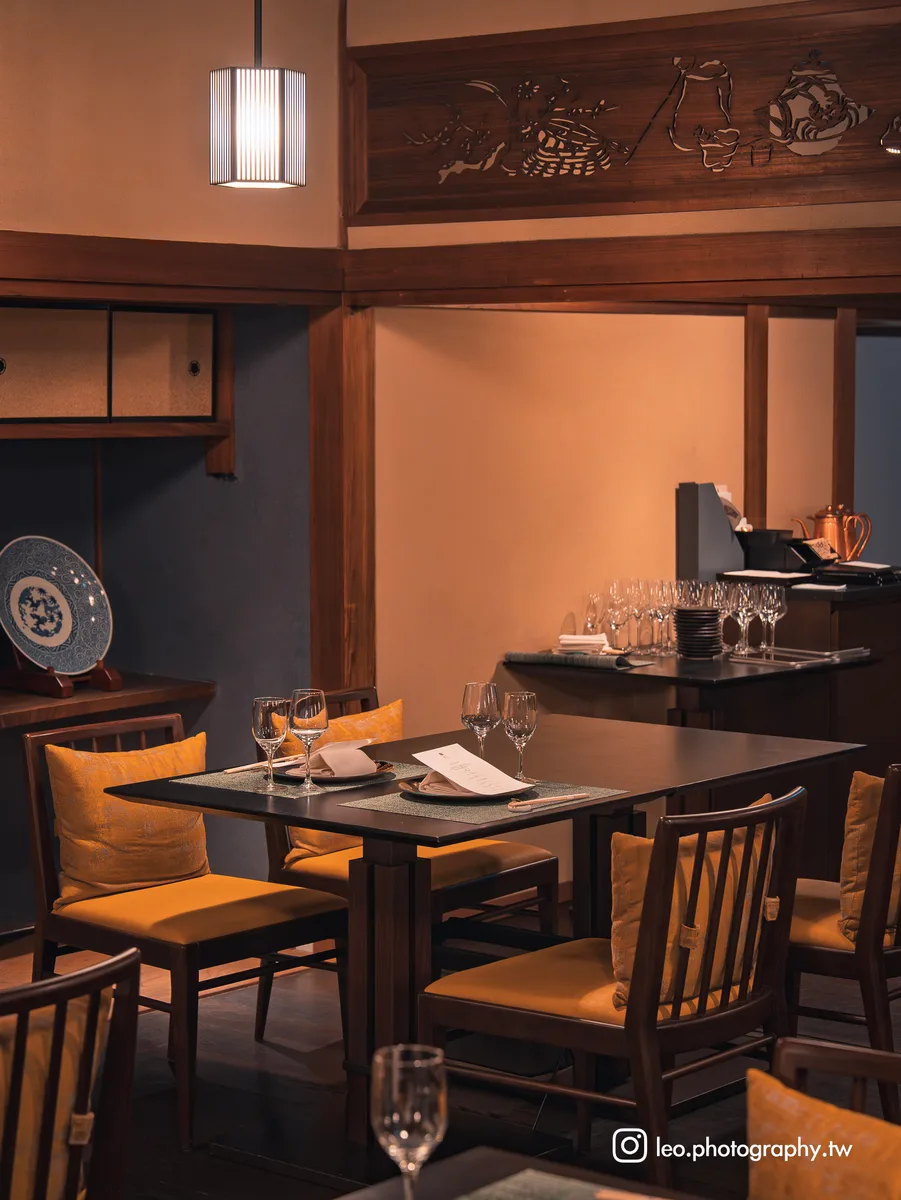
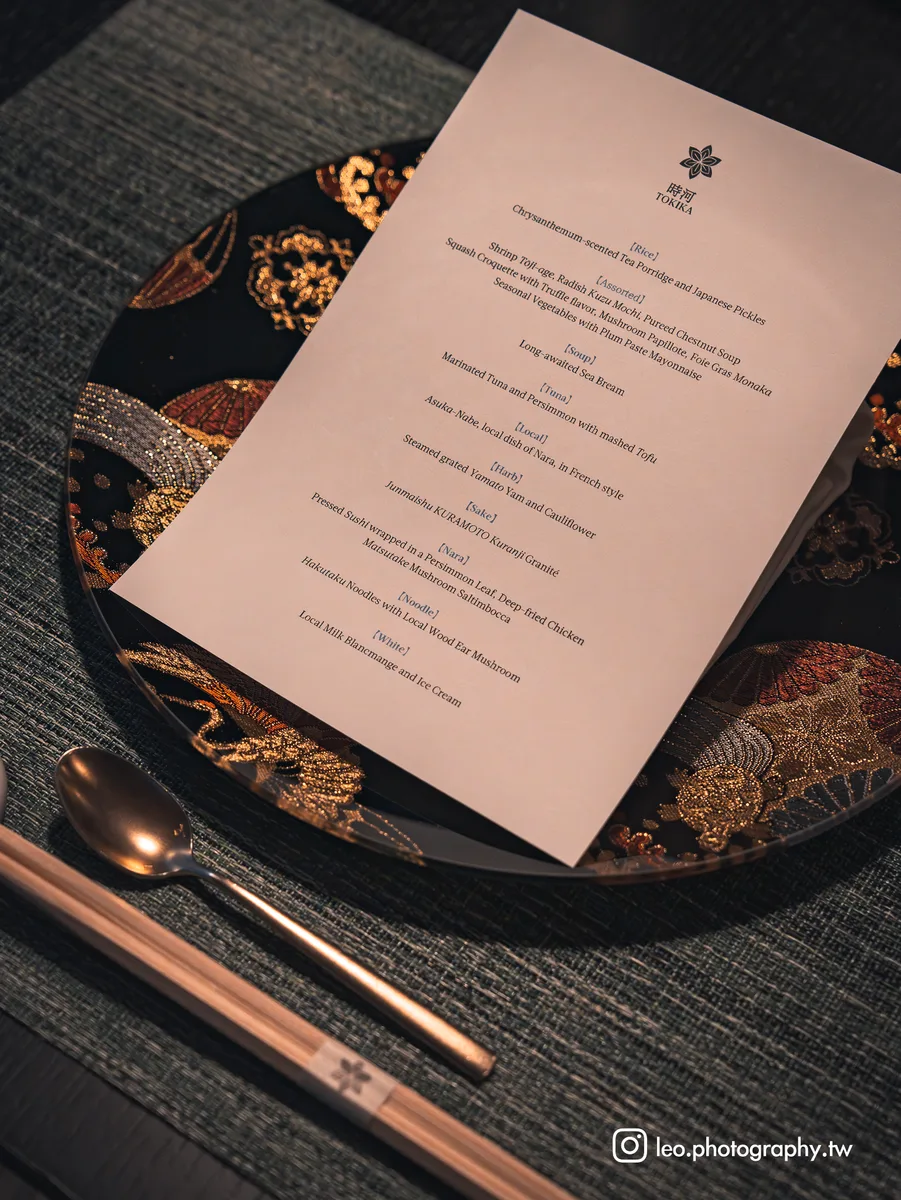
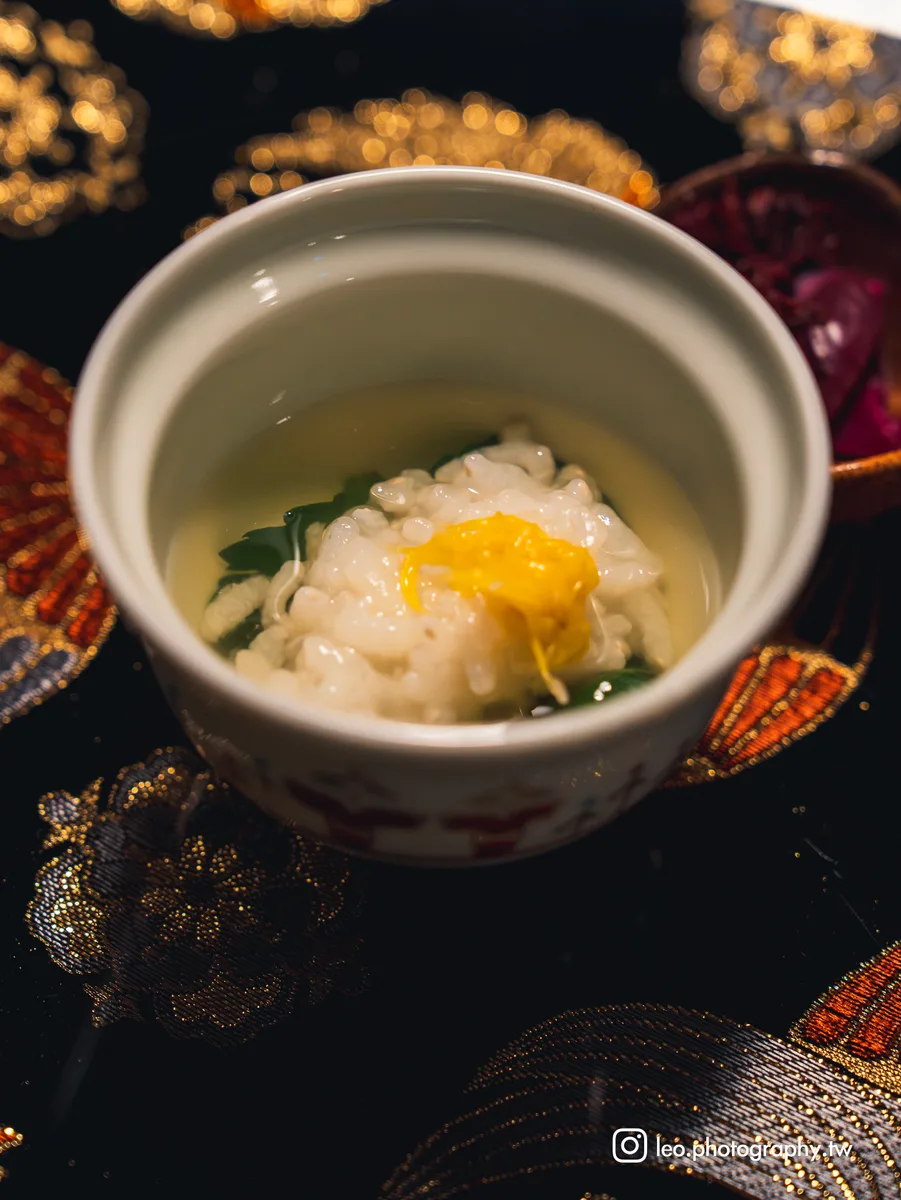
Shisui’s main restaurant is called Suiyou, and its dinner course, Tokika, makes generous use of whatever is in season. The late-October menu opened with a bowl of tea gruel scented with chrysanthemum, and midway through came a clever touch, Asuka-nabe, an old Nara country dish reimagined as a French-style stew, along with matsutake in season.
The next morning’s Japanese breakfast was equally refined. A rounded lacquer box held small bowls of seasonal cold dishes, followed by Yamato pork miso soup and a soft egg custard glazed with Yoshino kudzu. I chose the local tea gruel over plain rice. Simmered in roasted hōjicha, it carried a faint tea fragrance, while salted kombu added salinity and umami. Everything on the table led back to Nara.
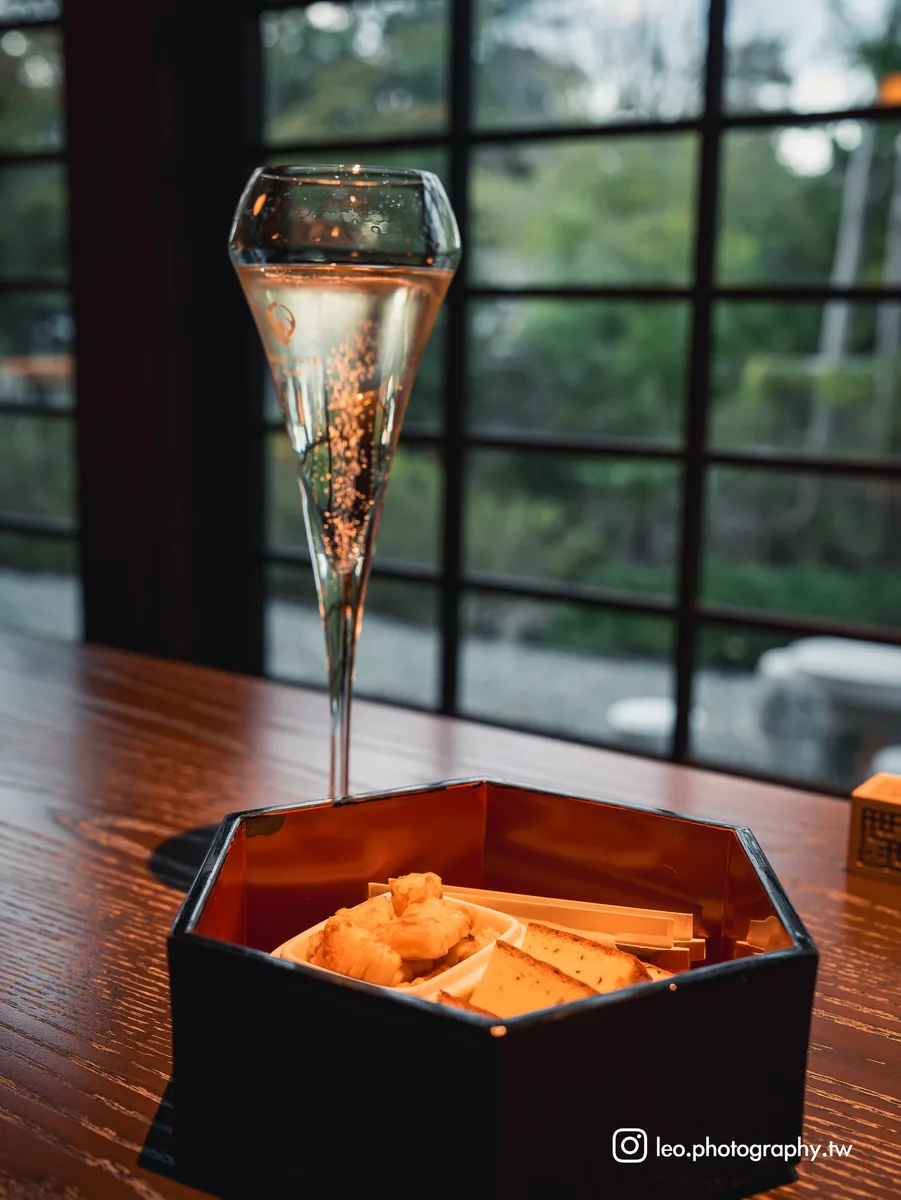
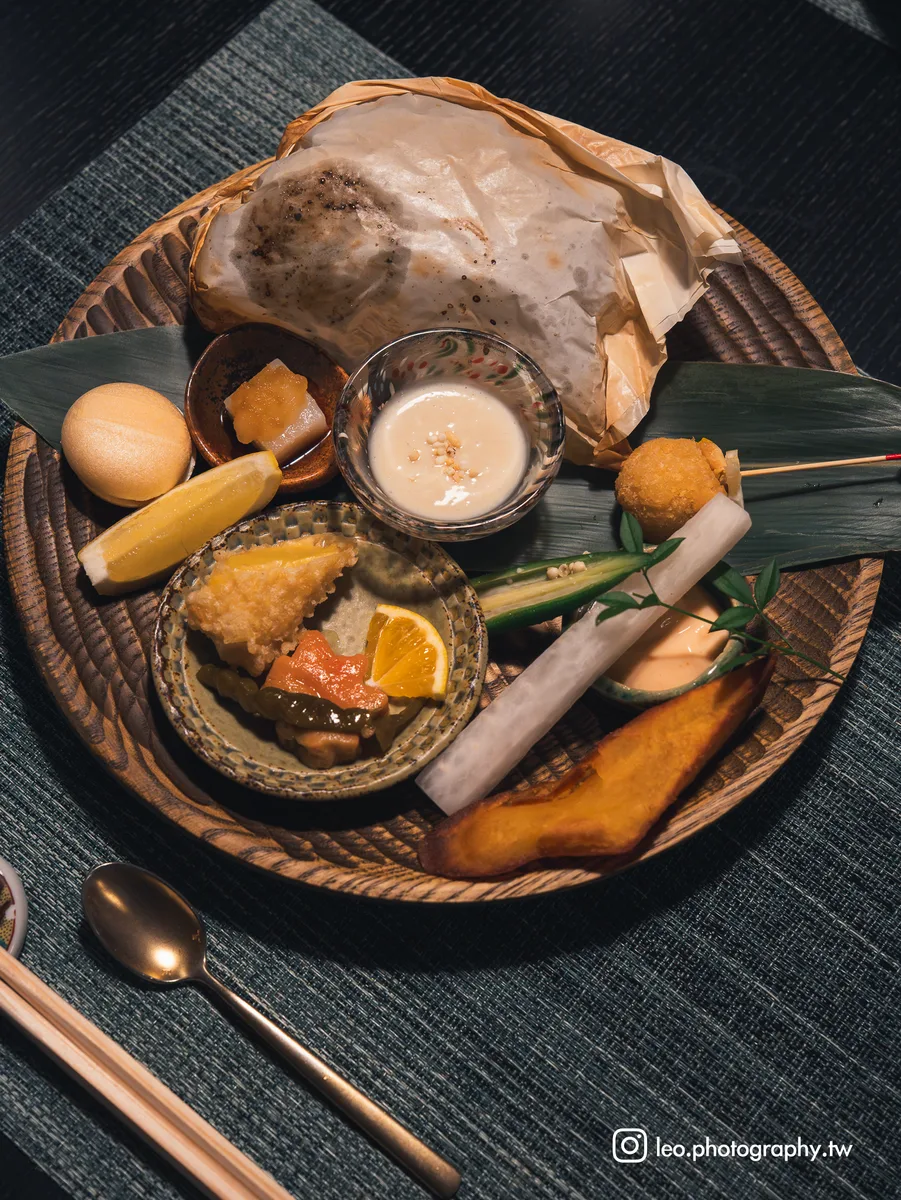
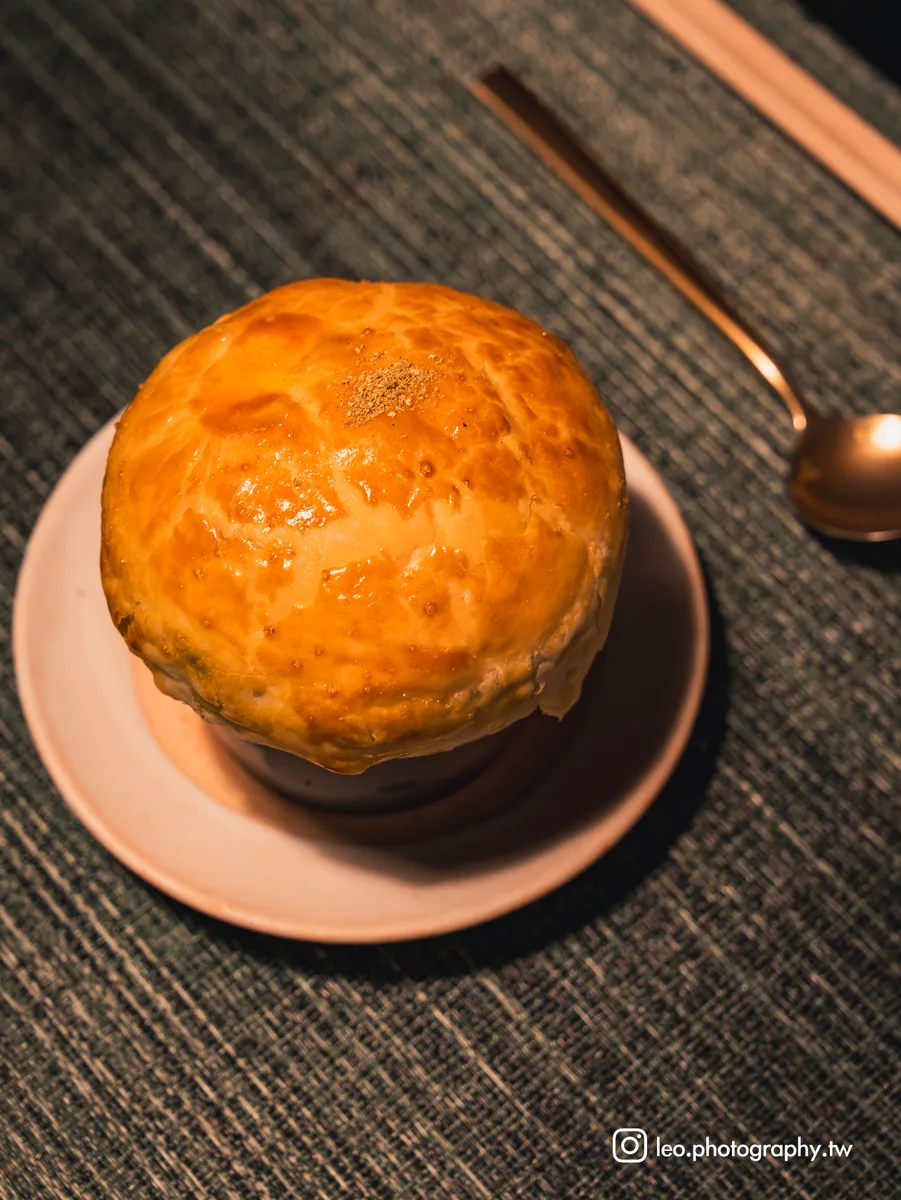
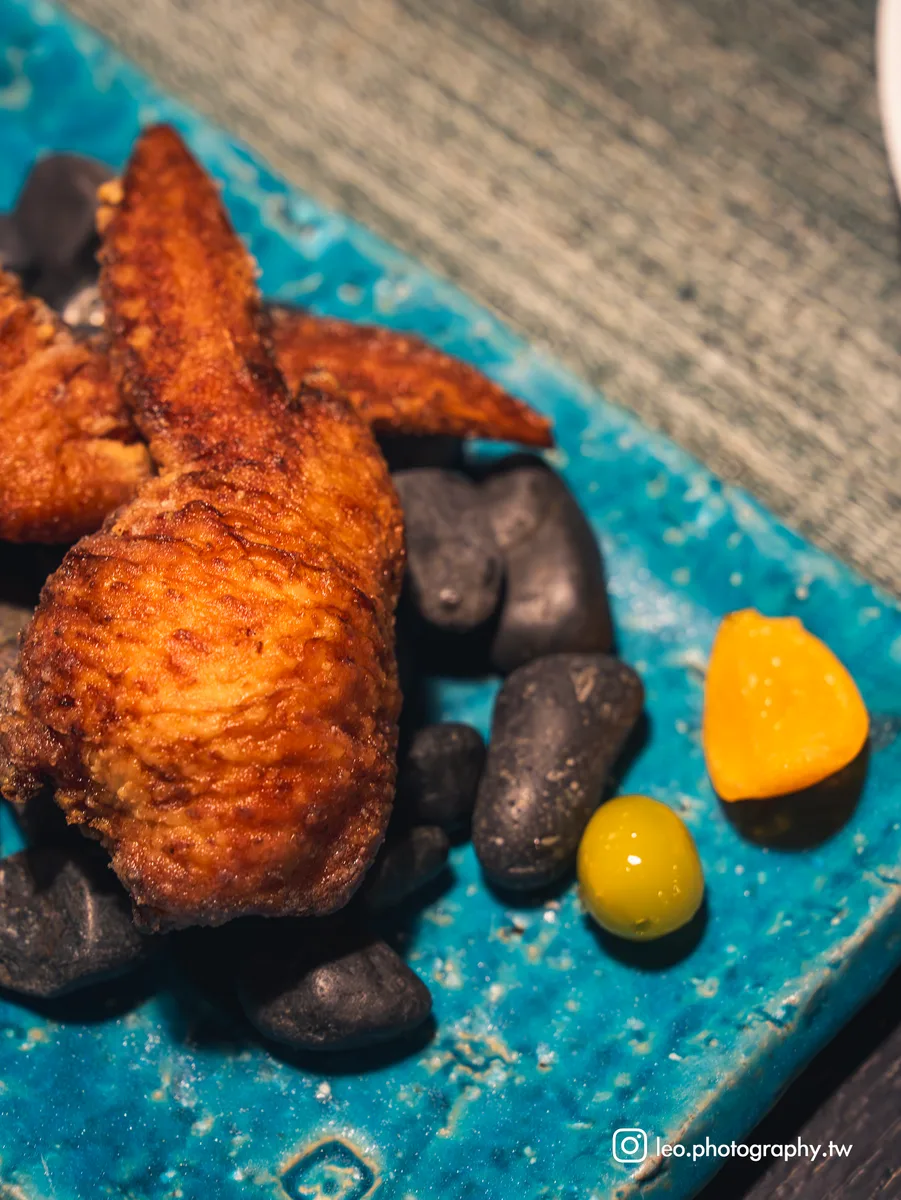
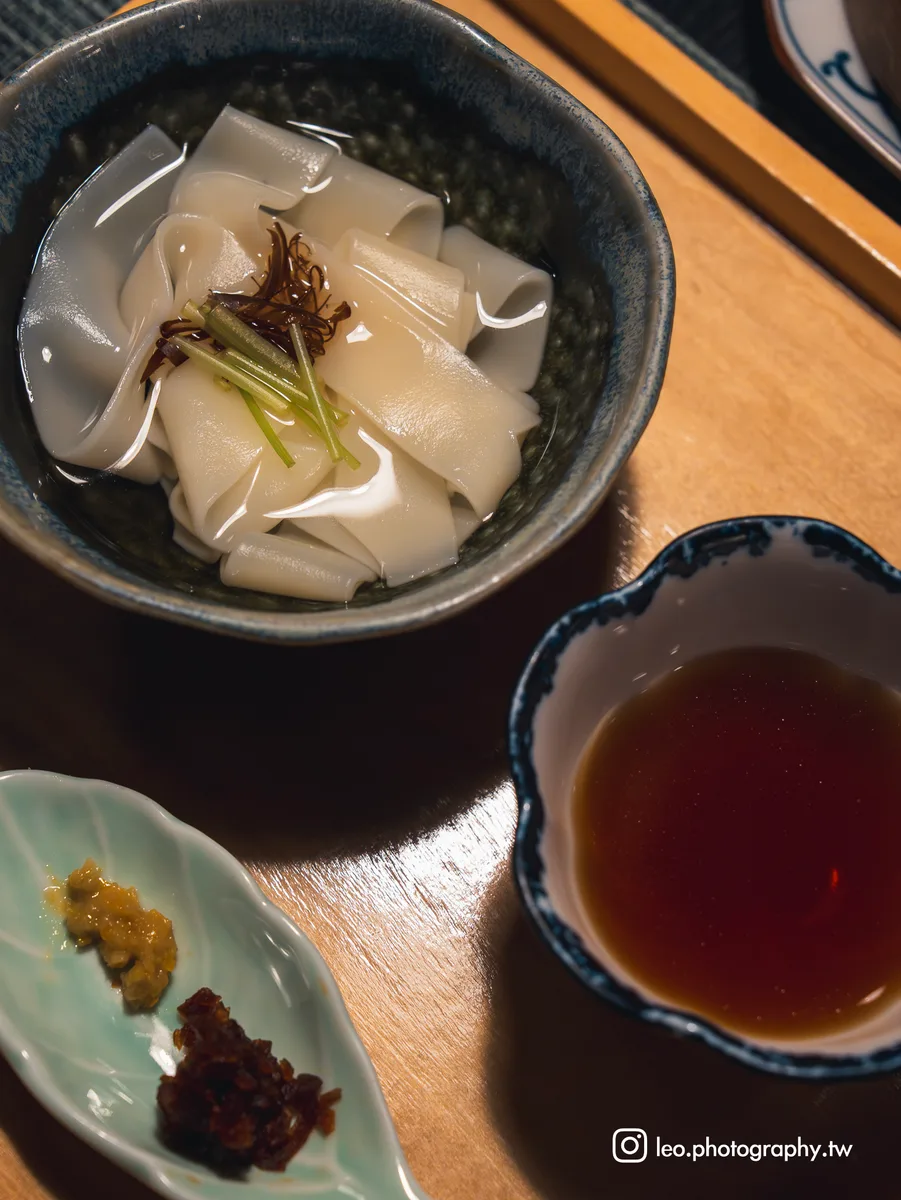
A glass of champagne indoors at Café Zeze, with the garden just beyond the latticed sliding glass doors.
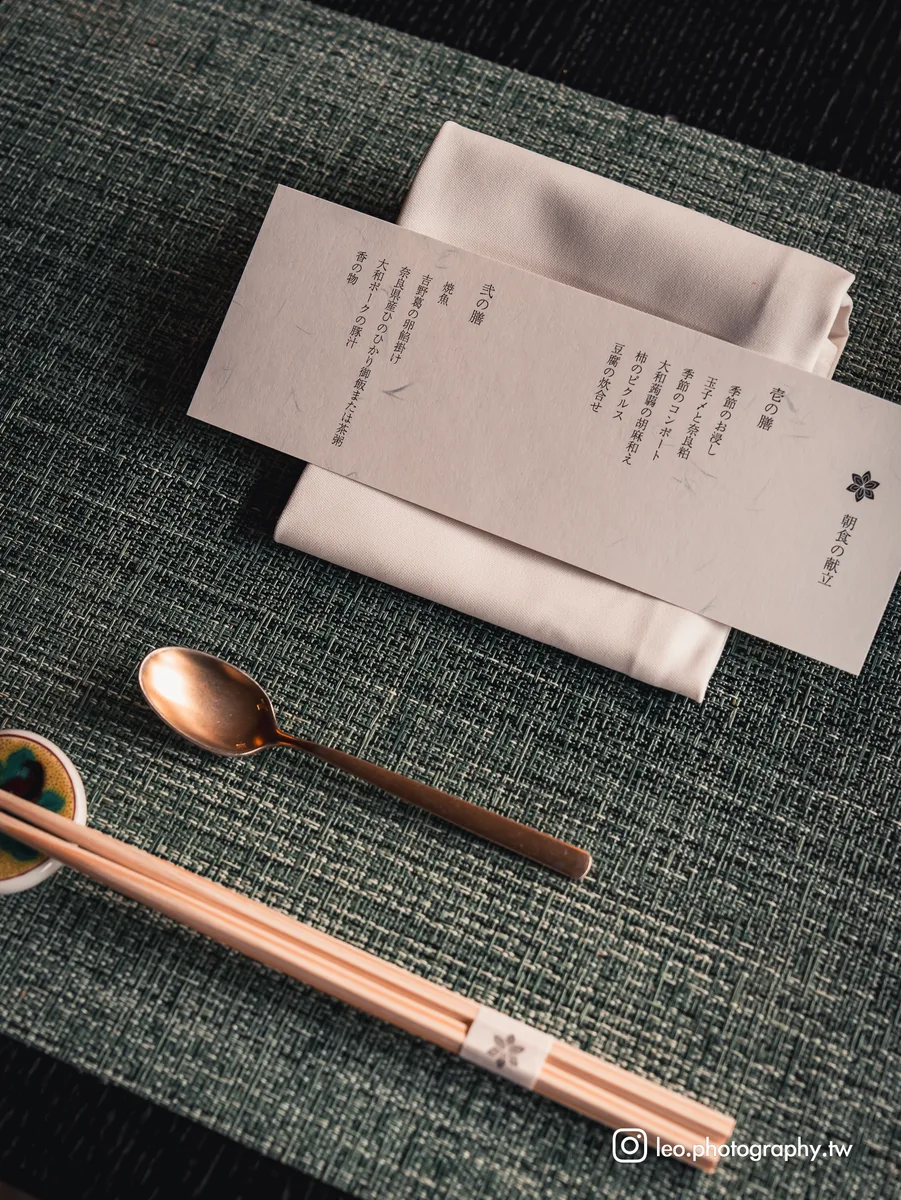
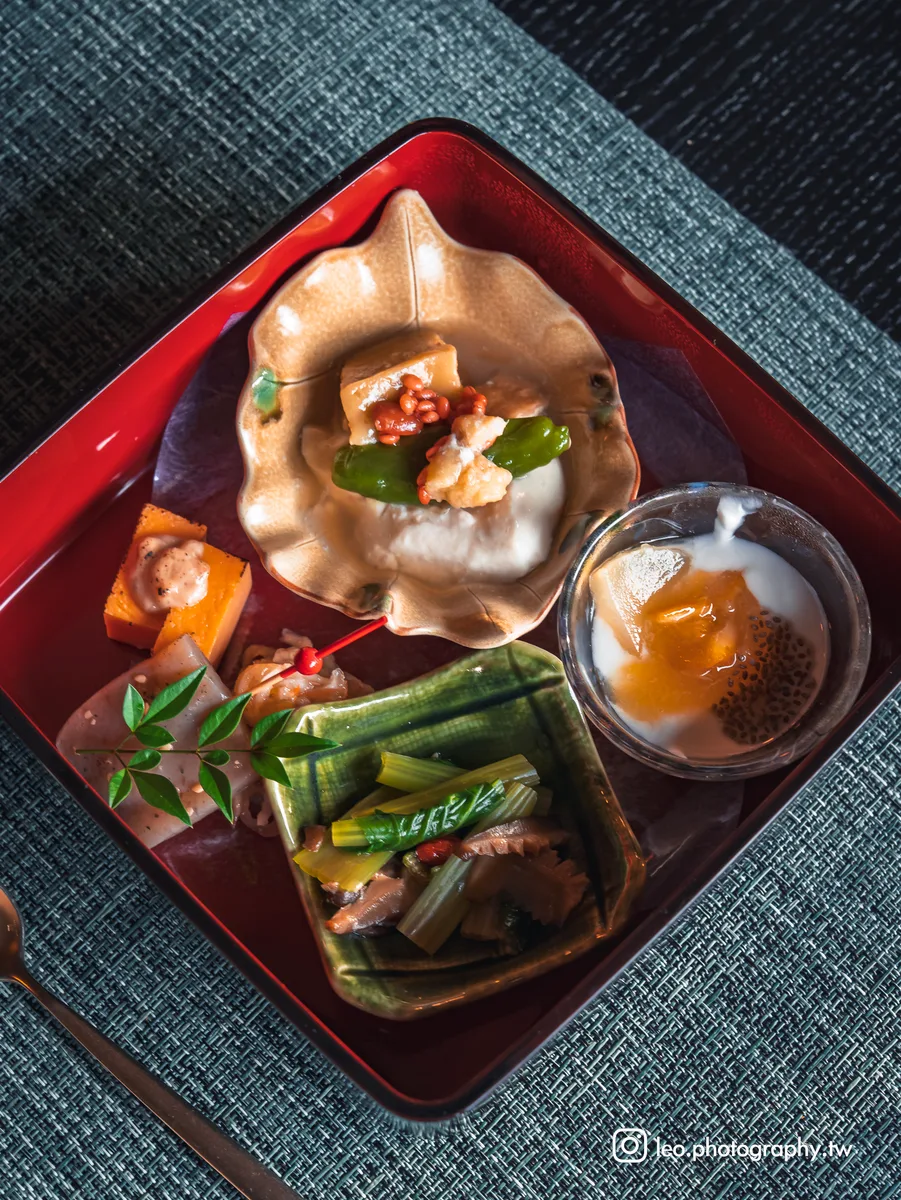
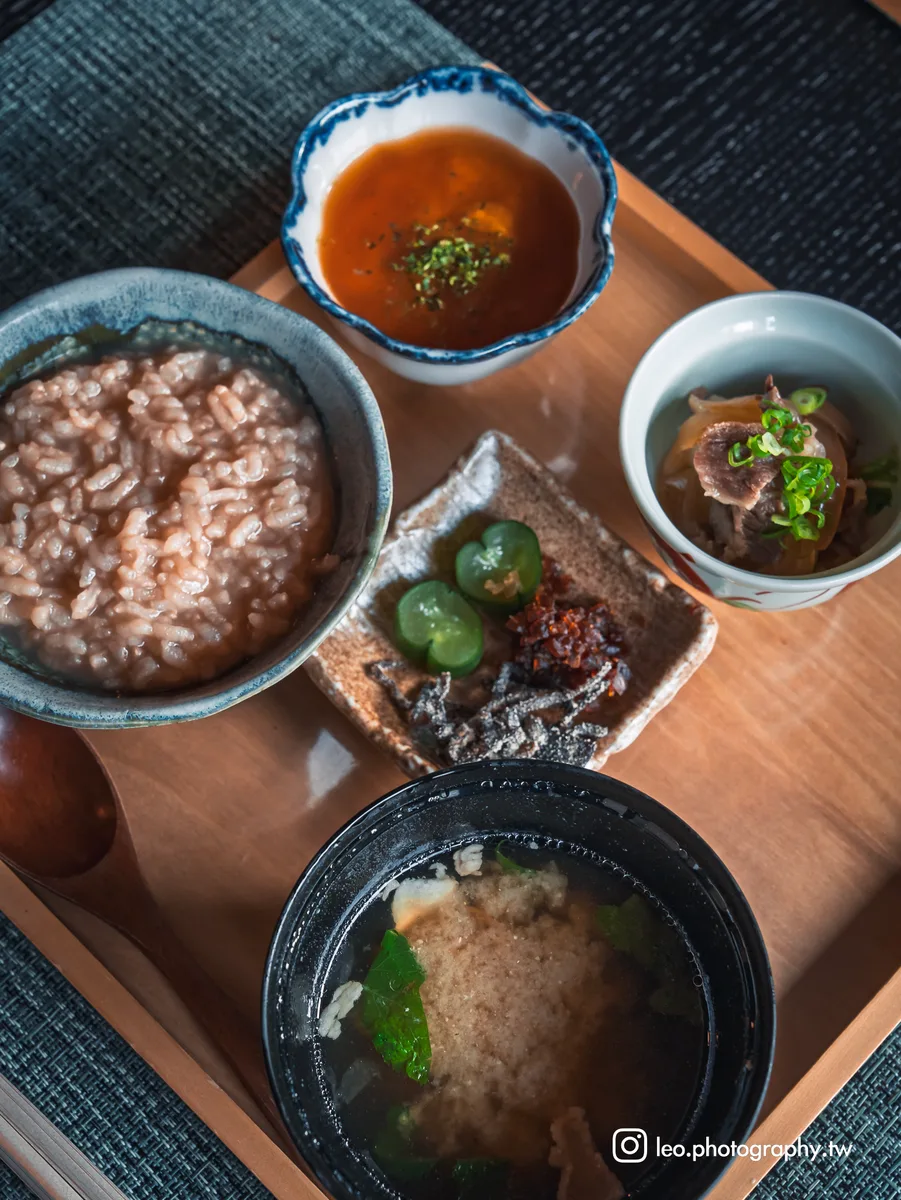
In the round-cornered lacquer box, small bowls hold cold seasonal vegetables, delicately arranged.
Night
A Nara Gone Quiet
So this is what the city looks like once the sky goes dark.
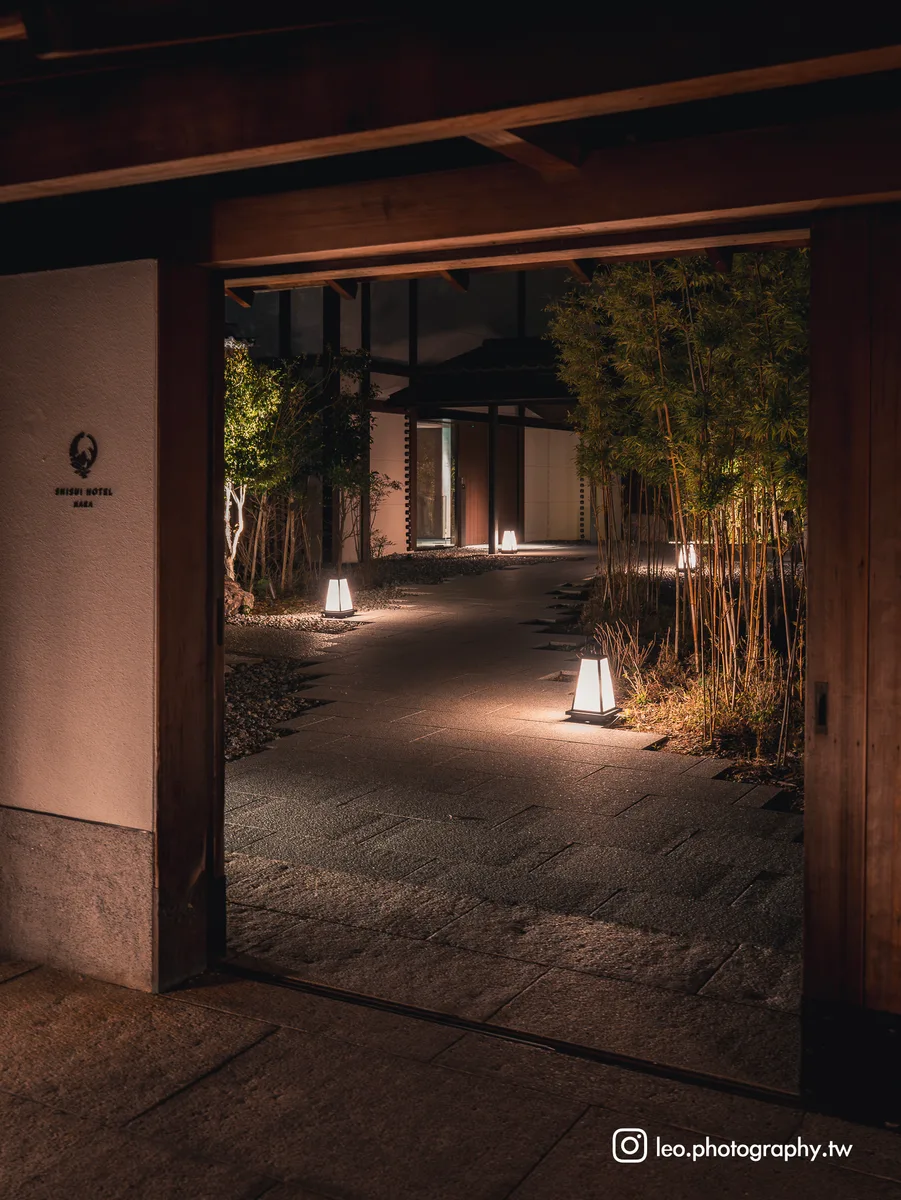
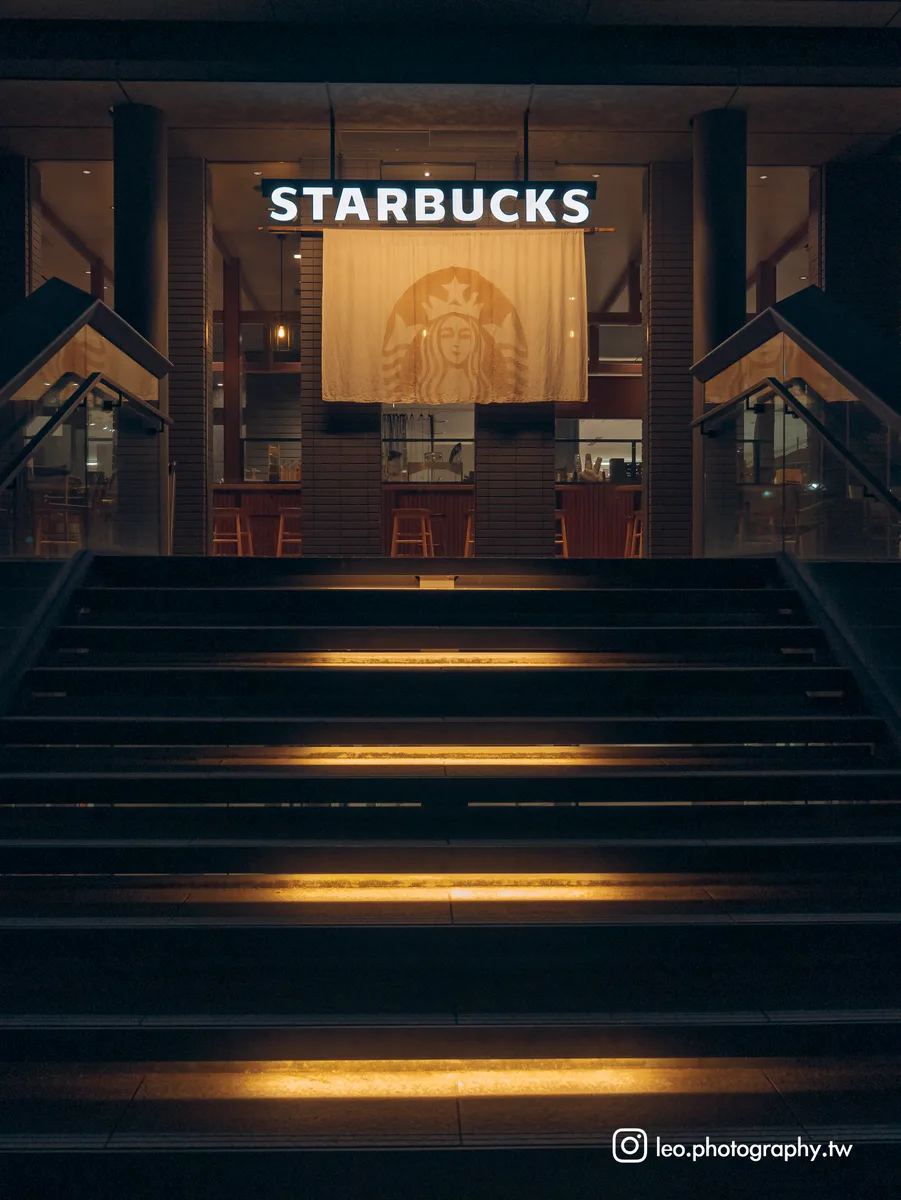
It was also on this overnight stay that I saw Nara at night for the first time. After dark the streets were almost empty, and the deer that spend the day begging food from tourists were scattered across the grass now, each asleep, as if the whole city had drifted off with them. So this is what the city looks like once the sky goes dark.
Dawn
Those Eyes at Dawn
It met my eyes for a moment, then lowered its head and returned to the grass.
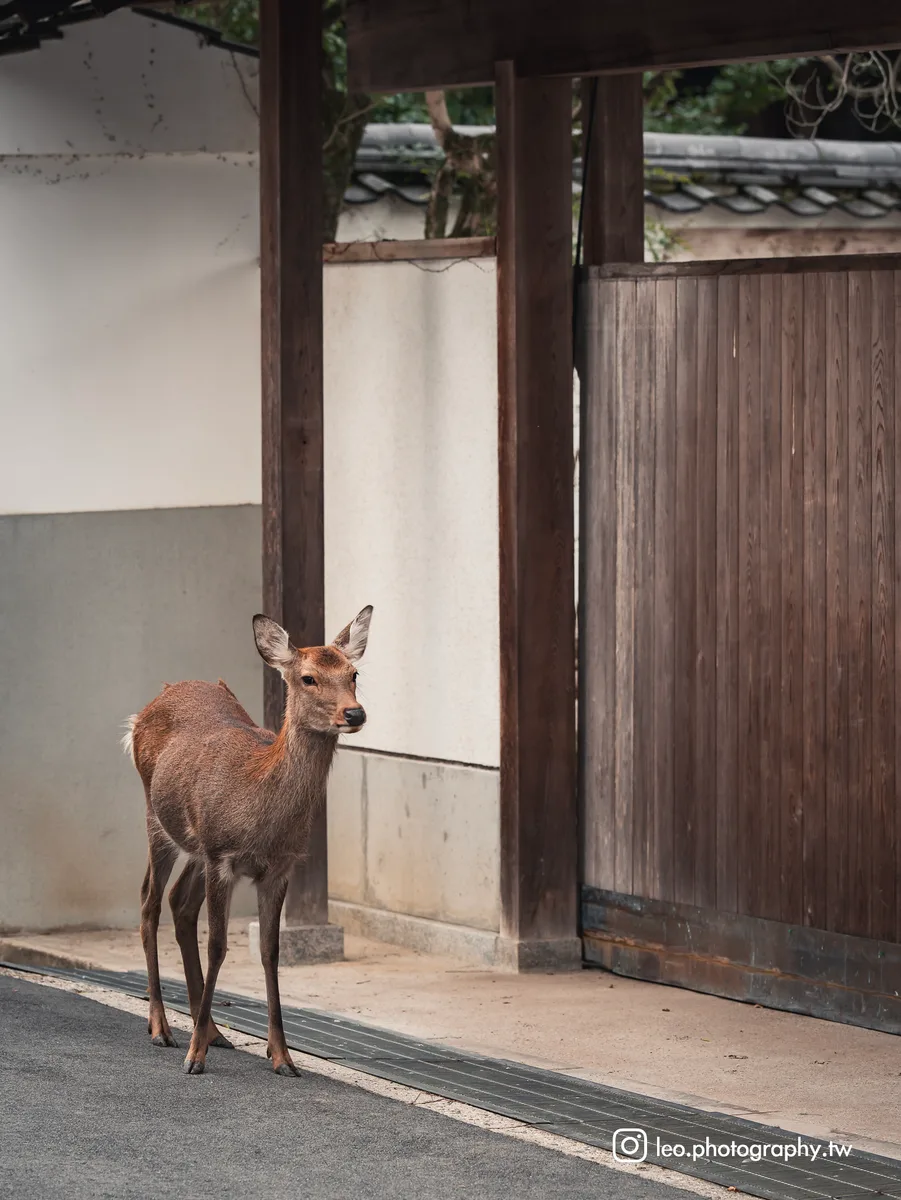
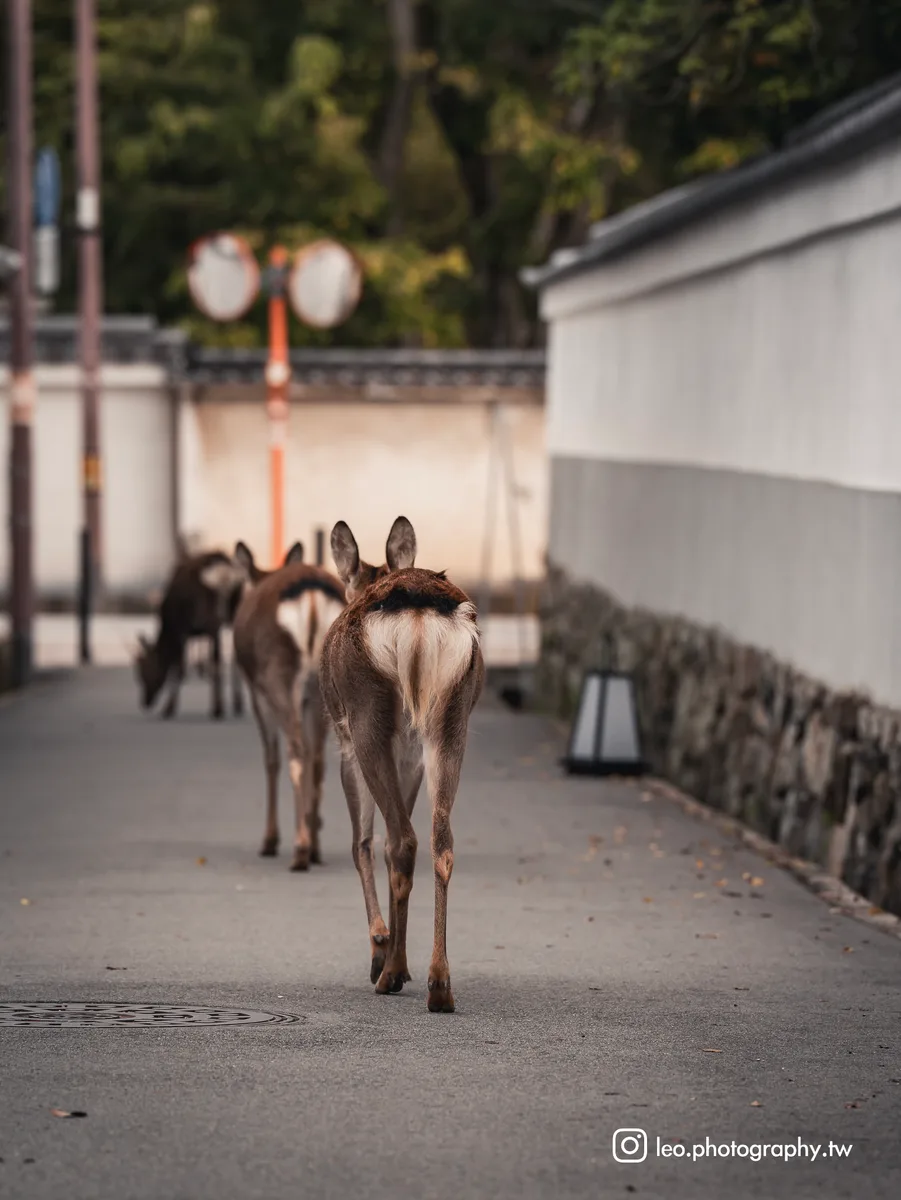
Early the next morning I stepped out from the garden by the guest rooms into an empty lane. A few deer had wandered over and stood with their heads down, looking for grass along the wall. Then one of them lifted its head, and our eyes met.
Its gaze was clear, with none of the impatience of the park deer waiting for crackers, yet no fear of people either. It met my eyes for a moment, then lowered its head, returned to the grass, and wandered off without a sound.
Next Day
Extra: Day Two's "Shion" Lunch
A quiet, personal kind of care.
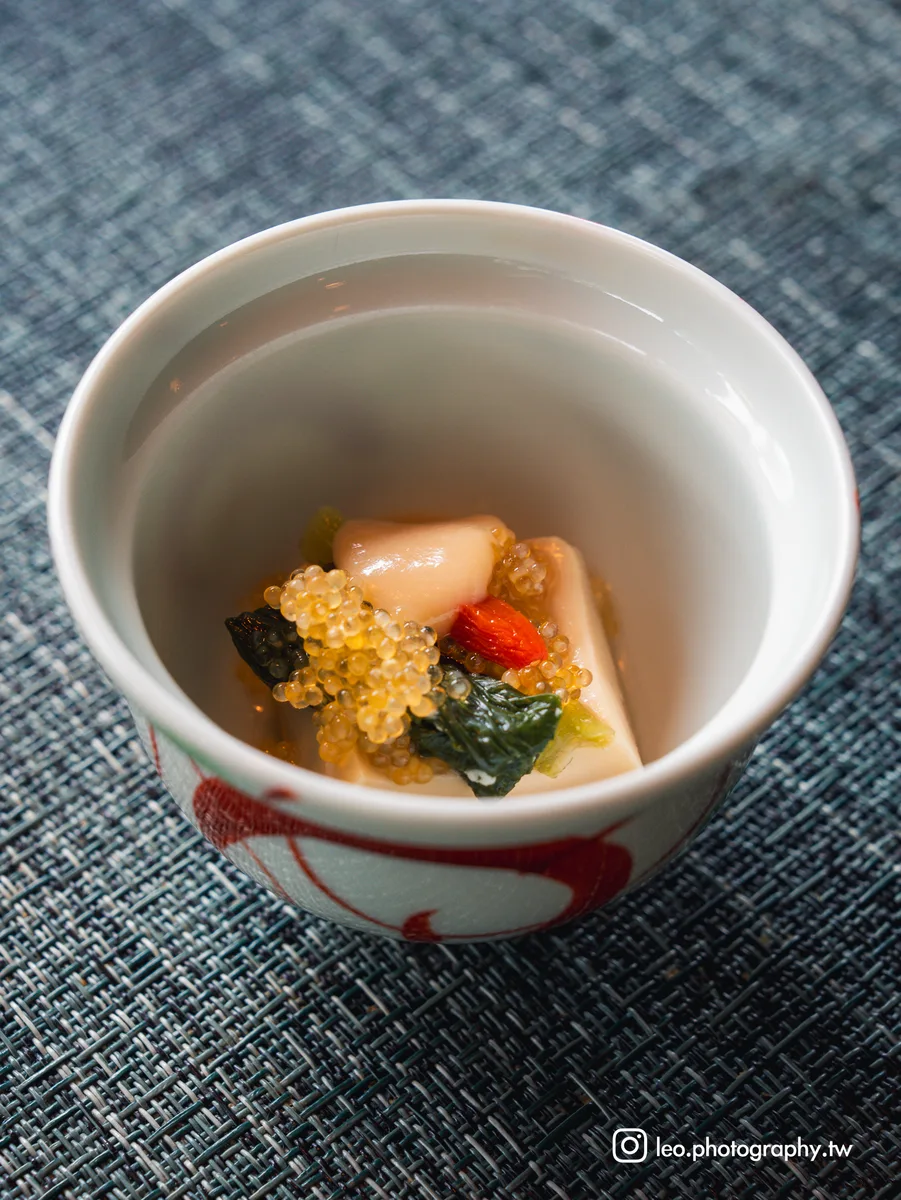
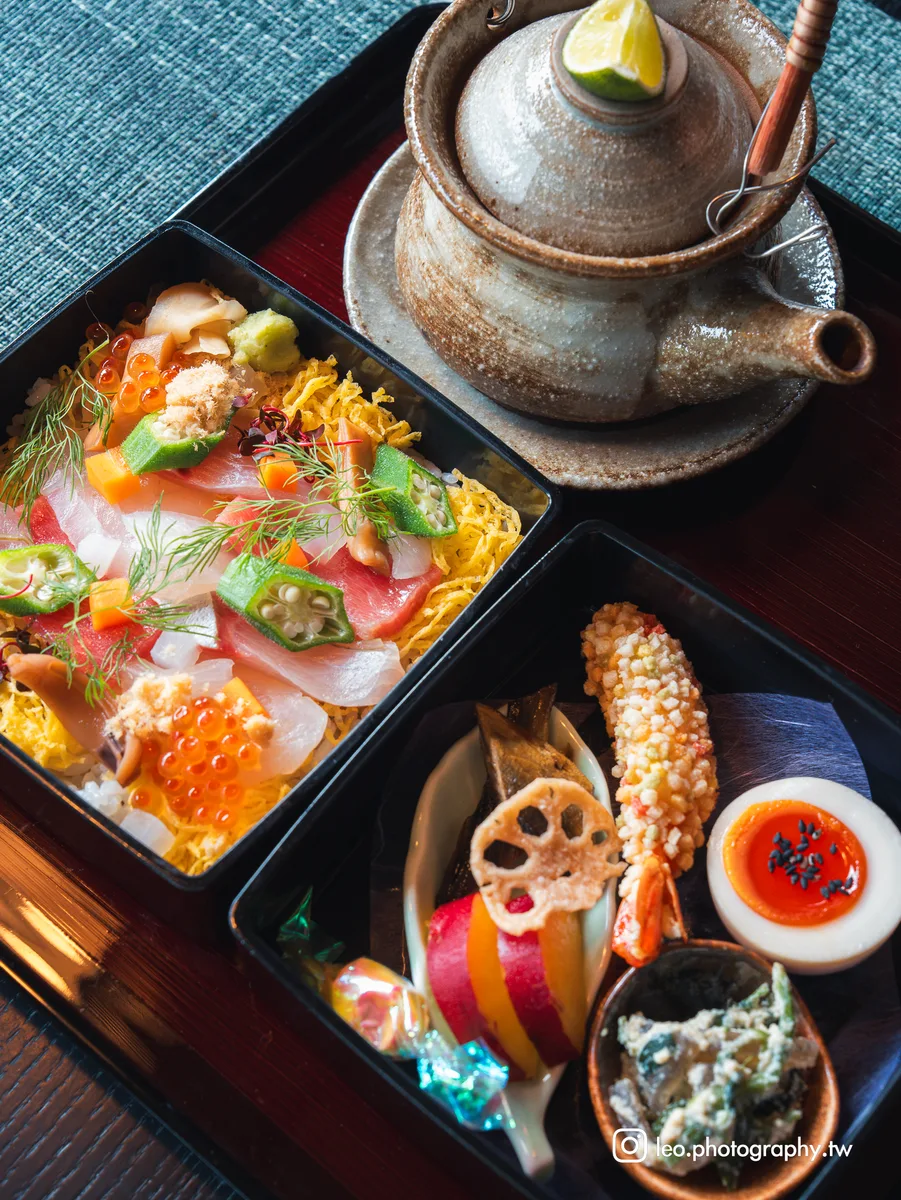
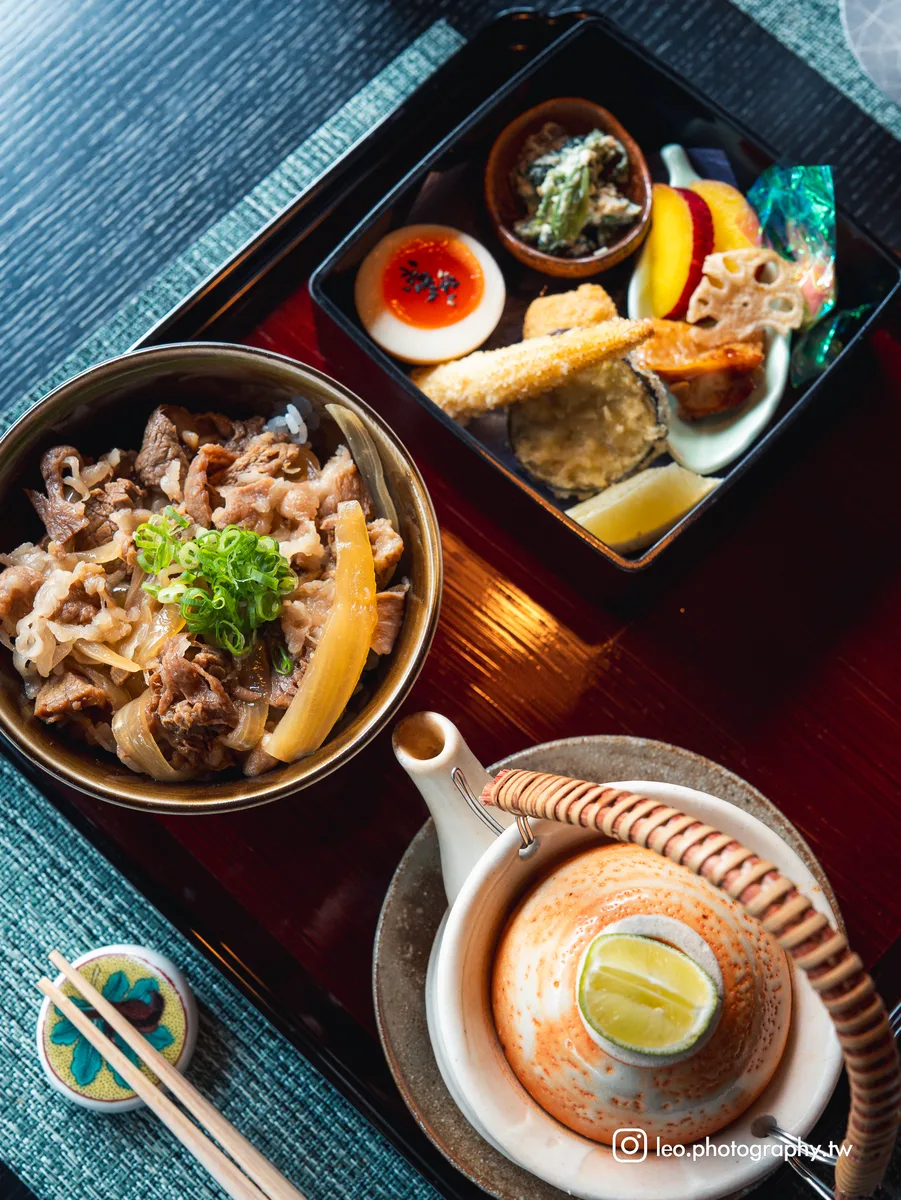
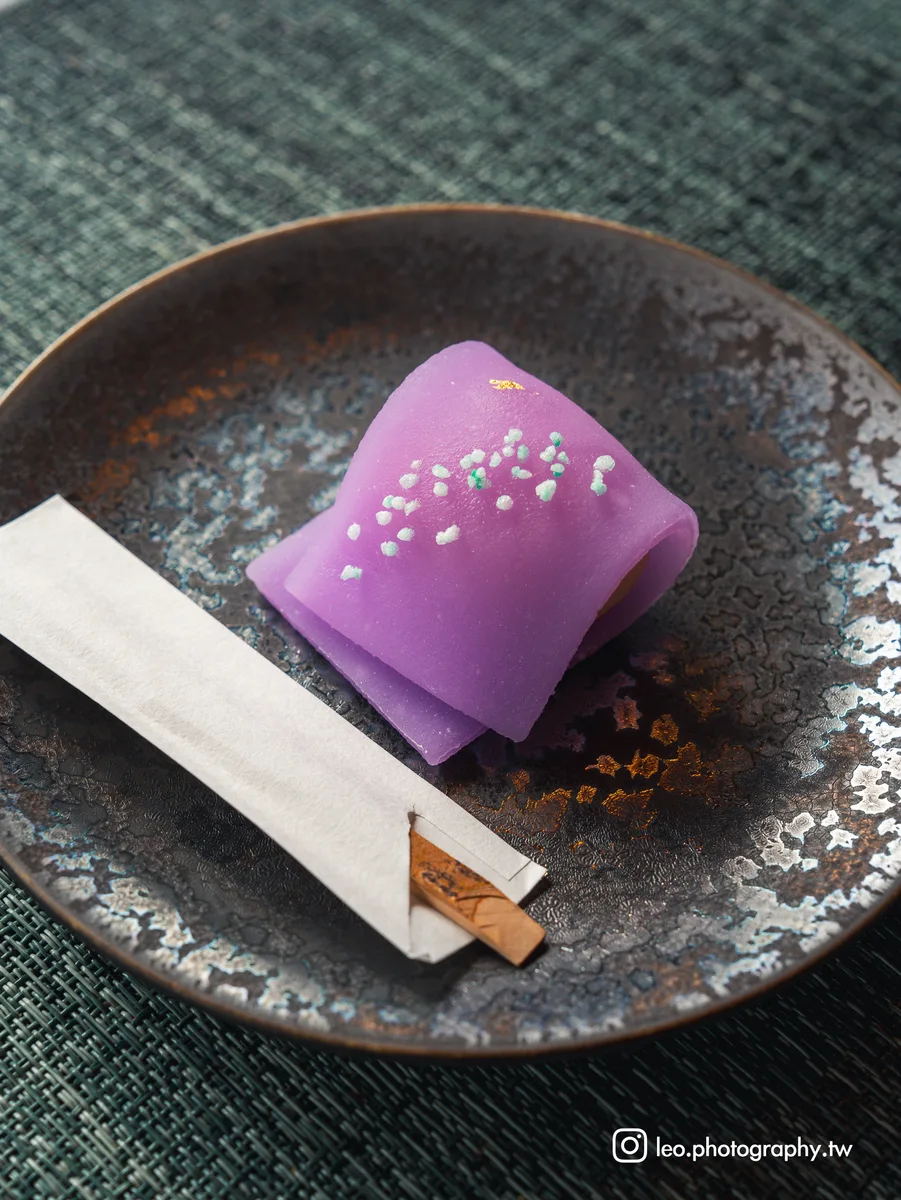
At noon on the second day we went back to Suiyou, this time for the five-course lunch, Shion. To accommodate my seafood allergy, the kitchen prepared a seafood-free version and recomposed each of the six small side dishes.