When Travel + Leisure announced its 2026 World’s Best Awards, the No. 1 hotel in the world, with a perfect score of 100, turned out to be an Osaka property barely more than a year old. The news carried me straight back: to a spiral staircase that distills the blue of the sky into a ribbon, to a floor-to-ceiling window that frames Osaka Castle, and to a room of vinyl that, one early morning, played for me alone.
I had first heard of the hotel in the spring of last year at Capella Taipei, where the Director of Rooms mentioned a sister brand about to open in Osaka. Patina is Capella Hotel Group’s younger lifestyle brand; Osaka became both its first urban property and its first address in Japan when it opened in May 2025. The hotel sits in Banba-cho on the Uemachi Plateau, the ruins of the seventh-century Naniwa Palace on one side and Osaka Castle on the other, so the address alone spans some thirteen centuries. Last August I stayed a night just for it, tried two of its room types, and watched the place move through afternoon, dusk, deep night, and the morning after.
Arrival
Twenty Floors Up, the Castle in the Window
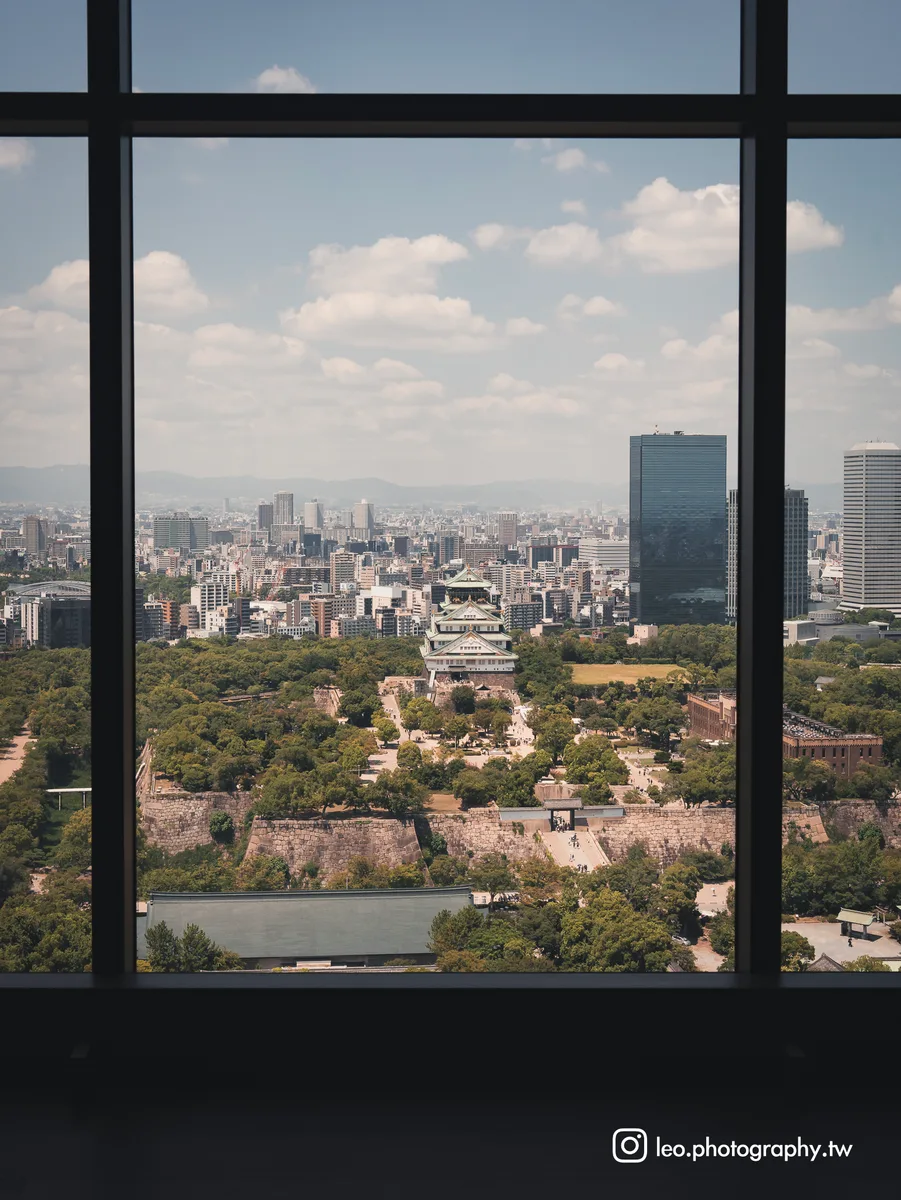
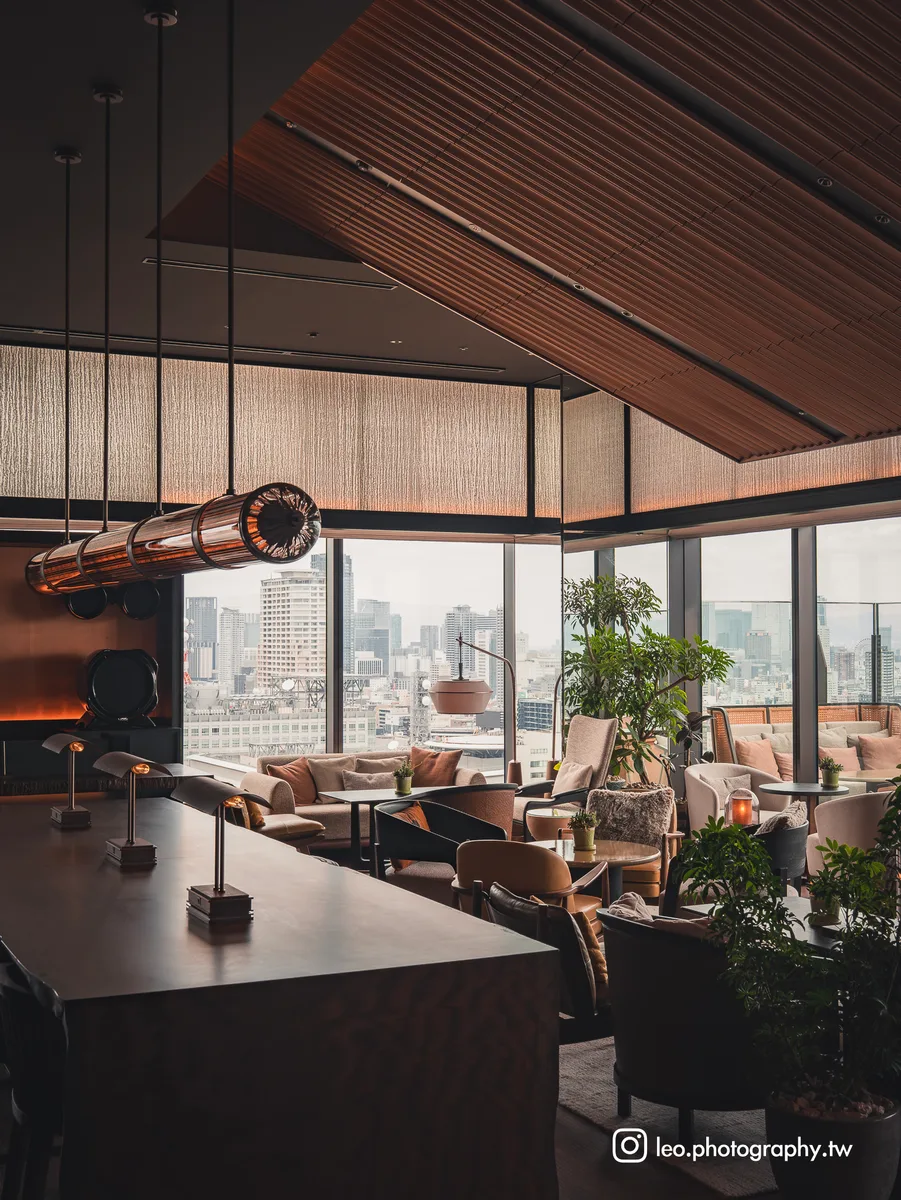
The eye goes to Osaka Castle before anything else.
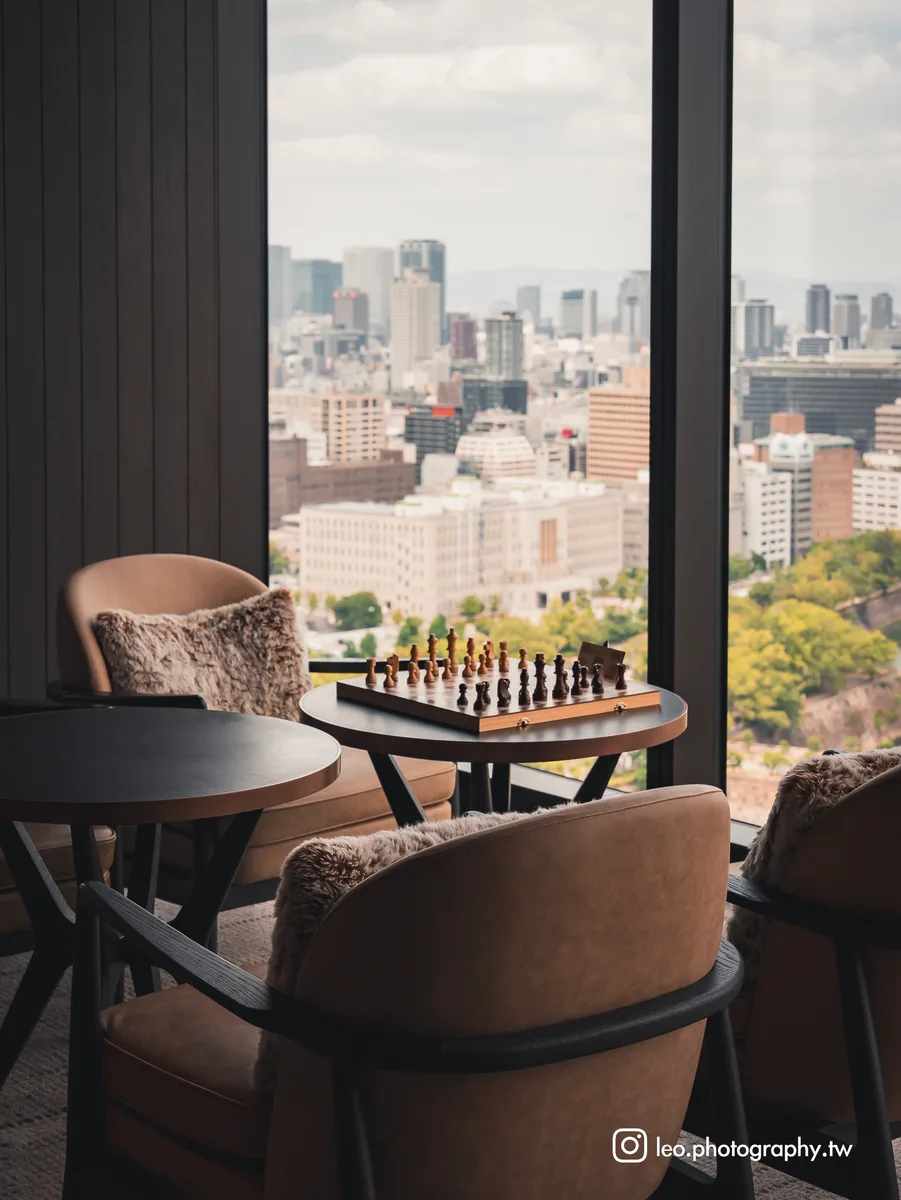
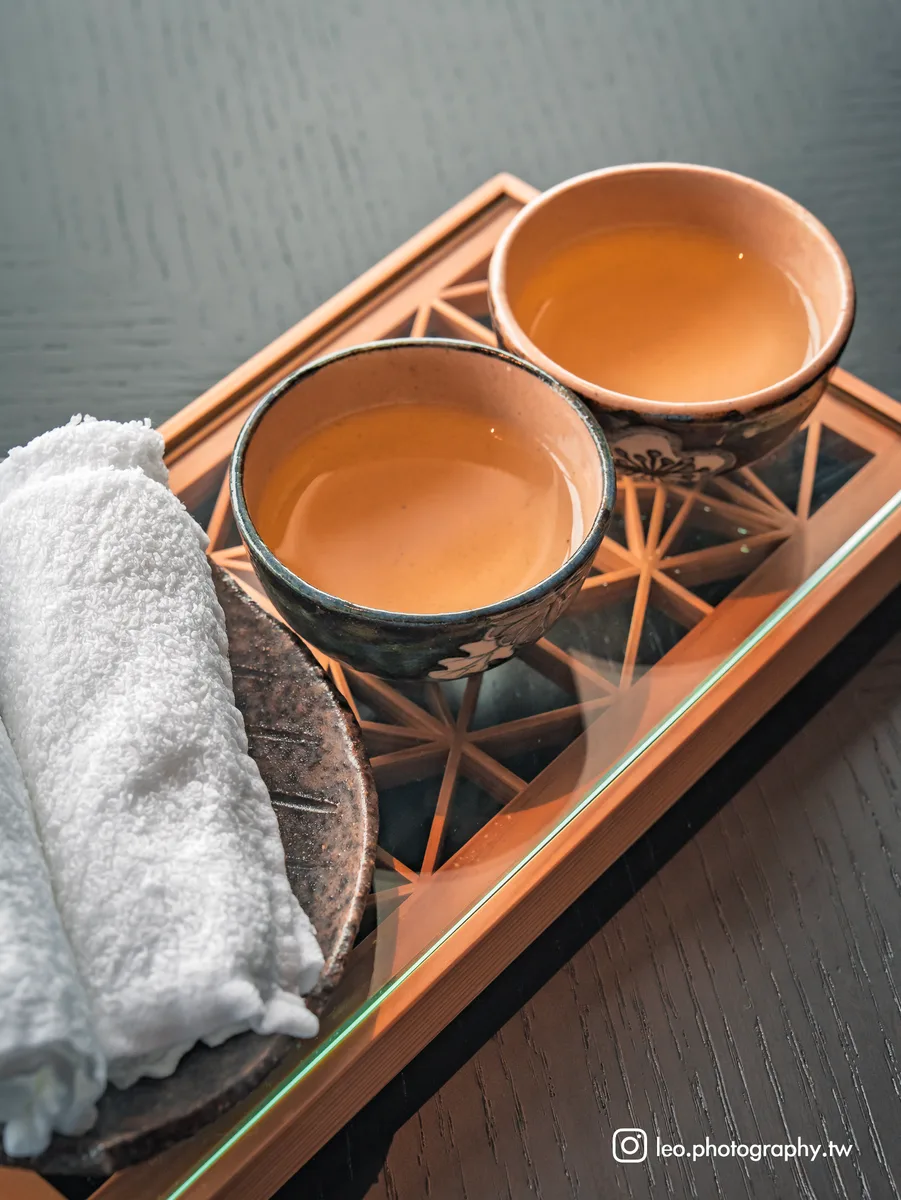
The elevator doors open onto a sky lobby on the twentieth floor. Before anything else registers, the eye goes straight to Osaka Castle in the floor-to-ceiling glass. In a city center as dense as Osaka’s, a castle view with nothing in the way is a rare thing. Patina’s butlers are called Essentialists (a cousin of Capella’s Culturists), and ours settled us into the lobby seating and brought out a welcome tea. Wooden chess and gomoku sets wait on the tables, and the seating by the bar recalls the Bay Bar at The Ritz-Carlton Fukuoka. In the daytime quiet, with few guests about, the whole floor feels less like a lobby than a sitting room where you could happily lose an afternoon.
The Spiral
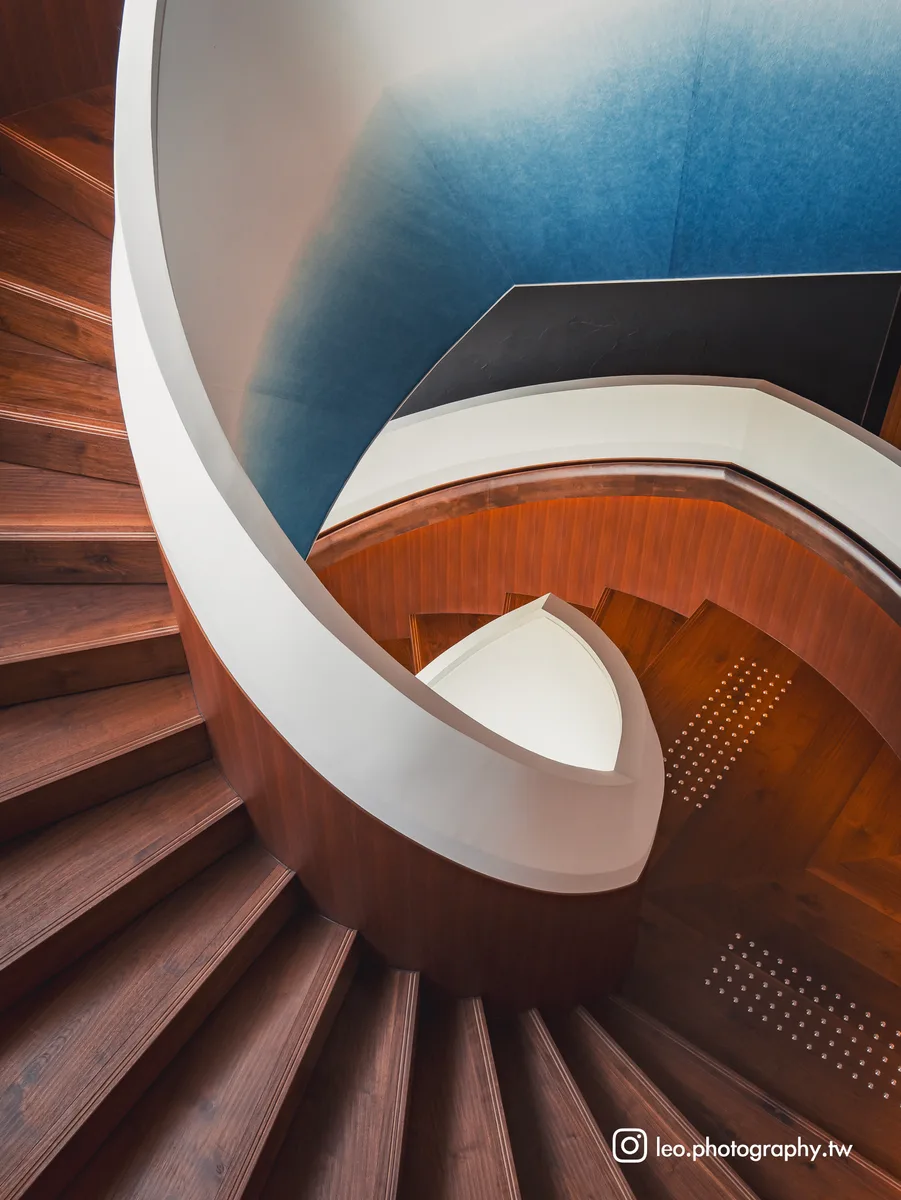
The Sky, Distilled into a Ribbon
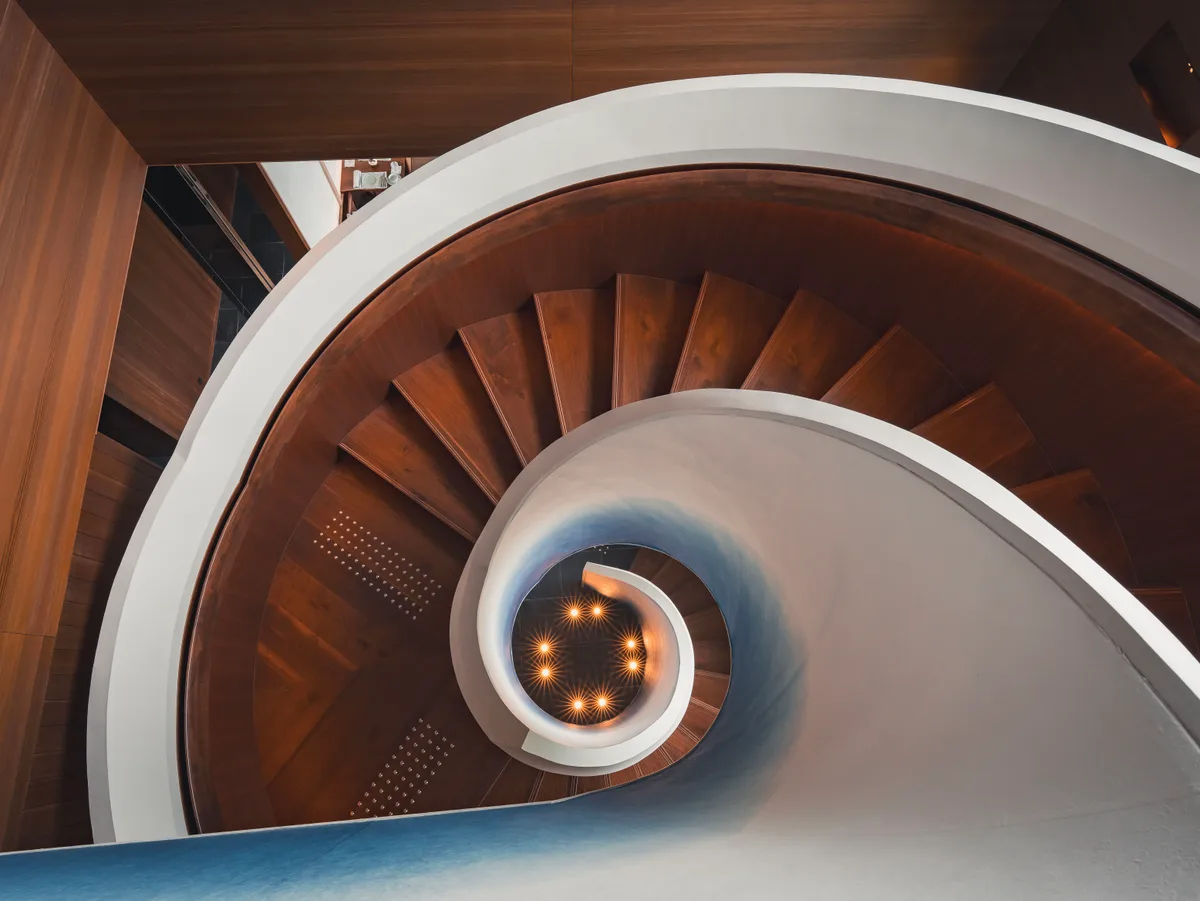
Every step down is a gentle bow.
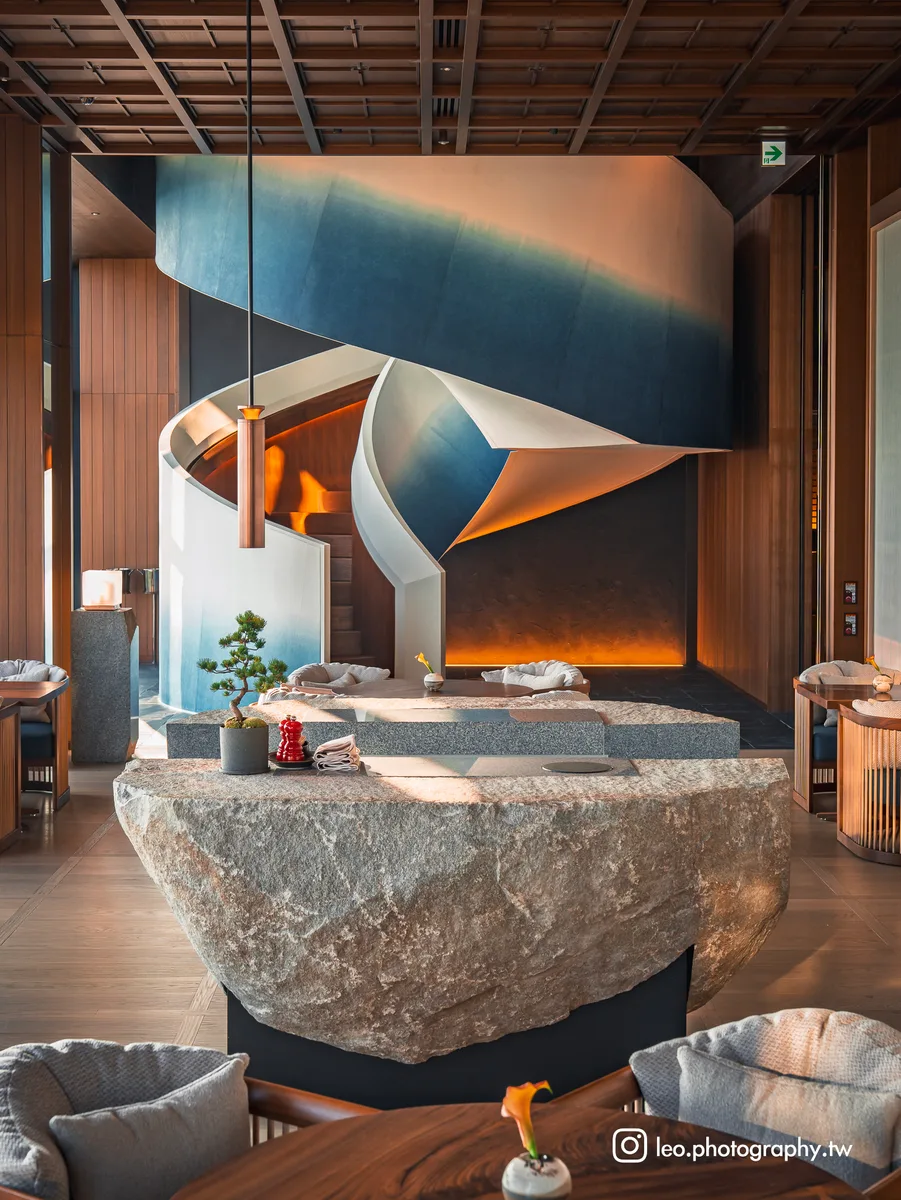
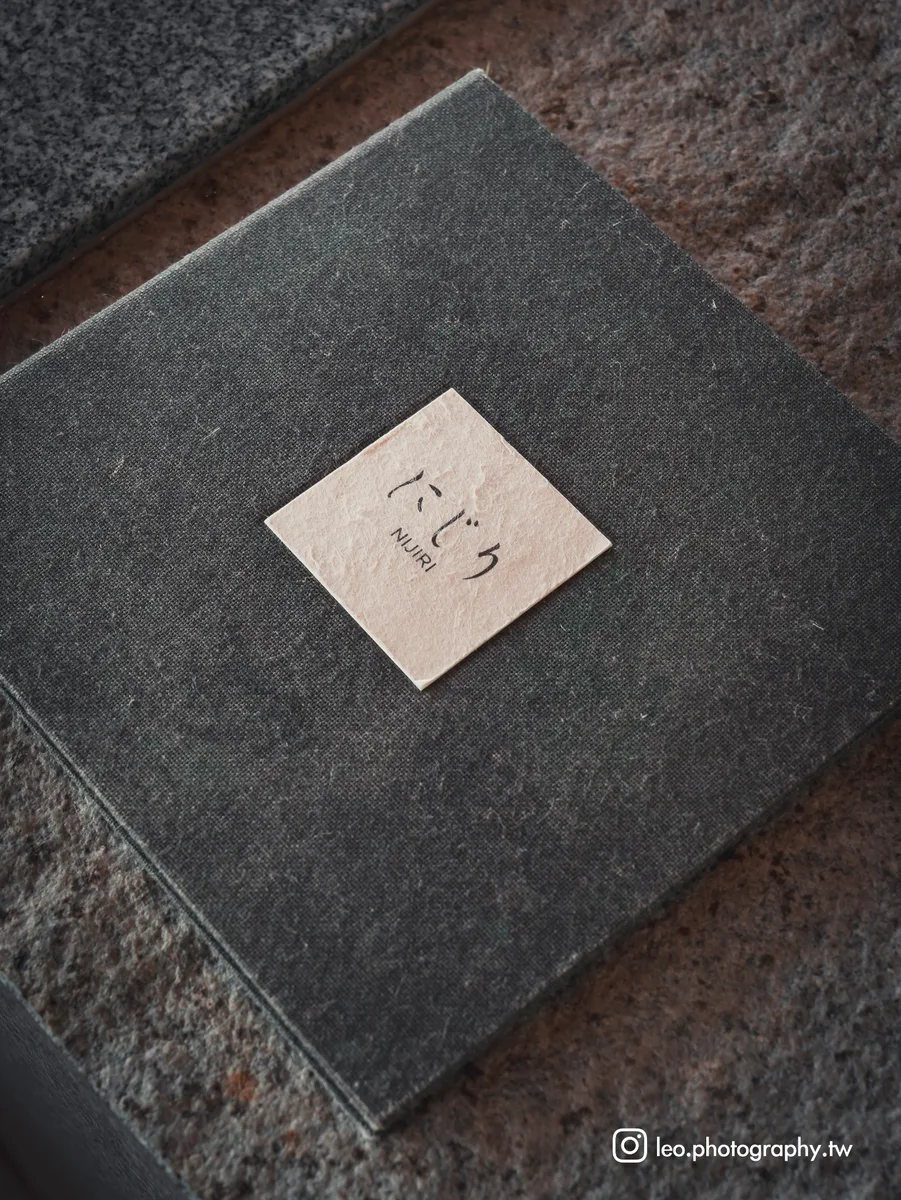
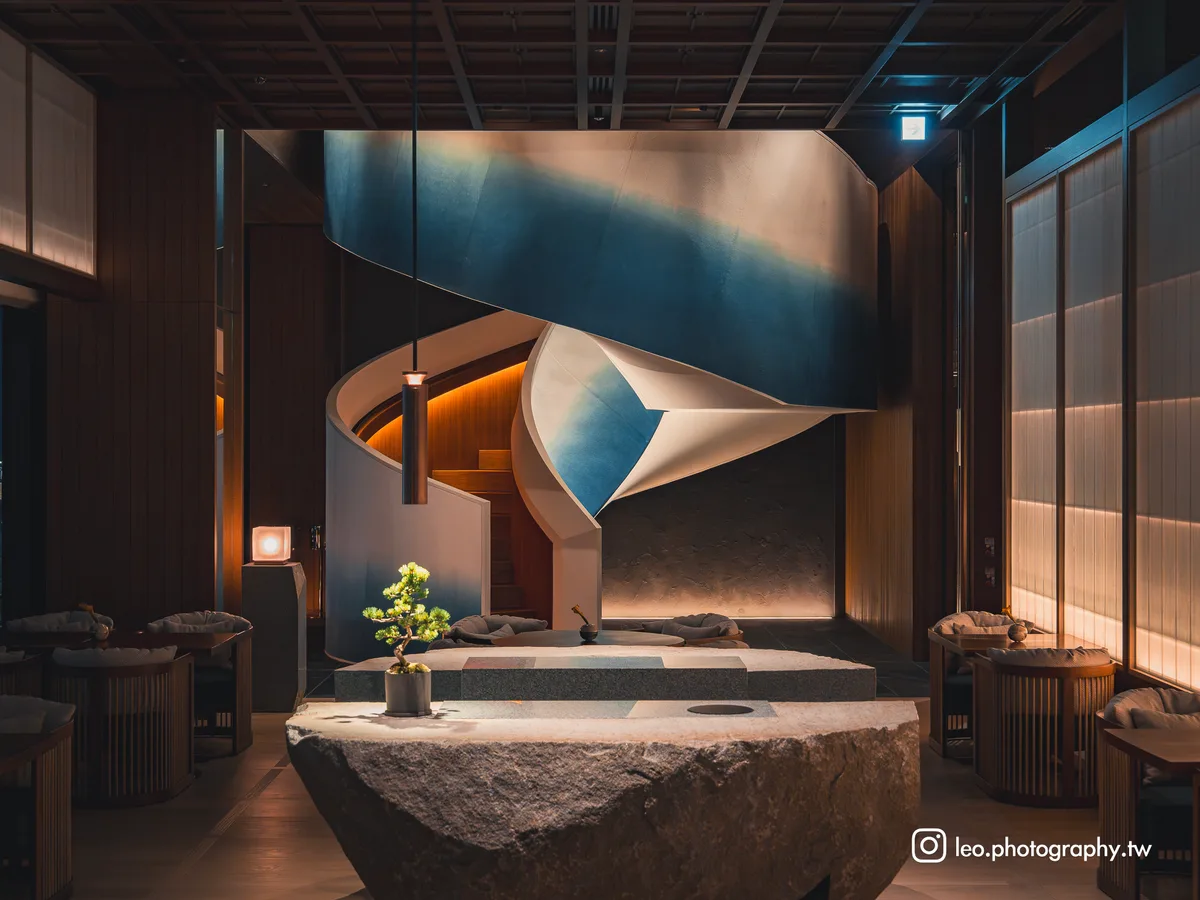
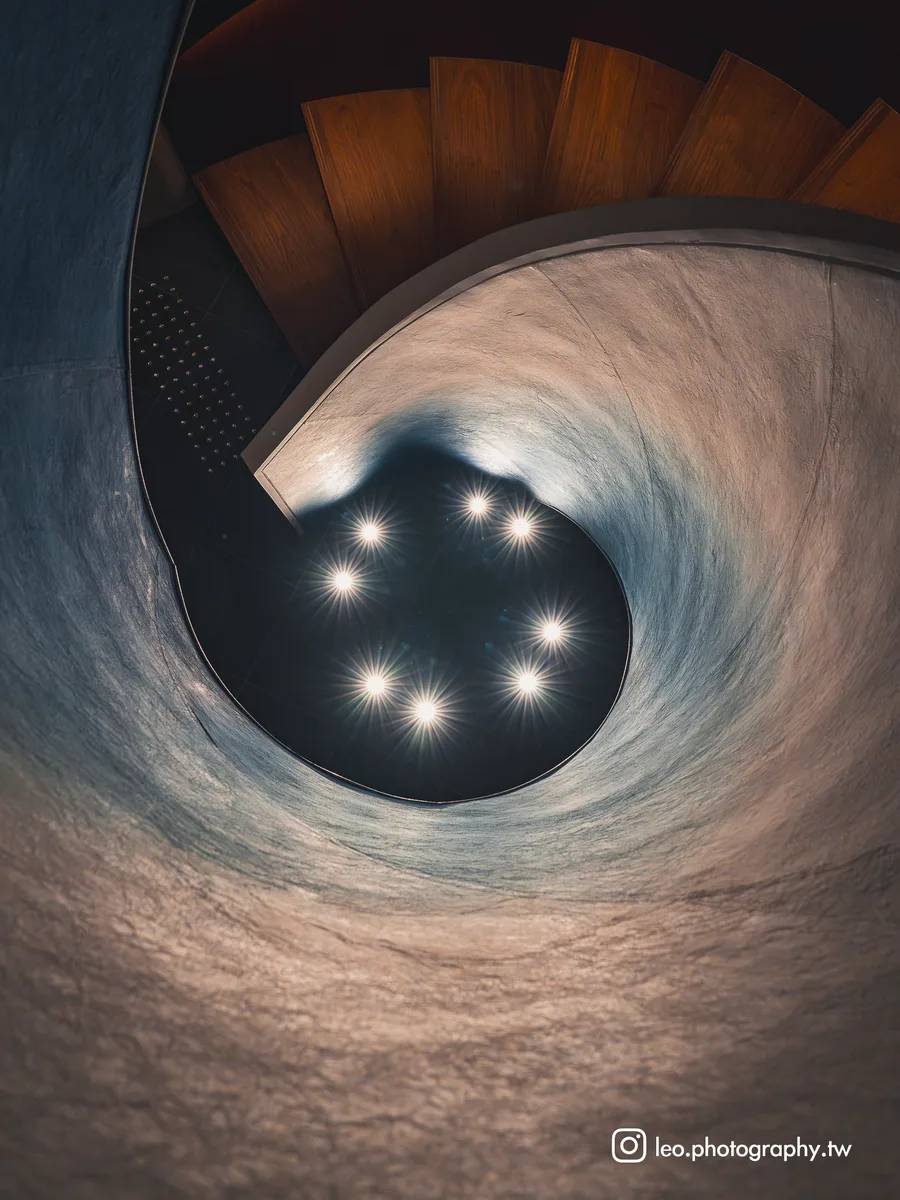
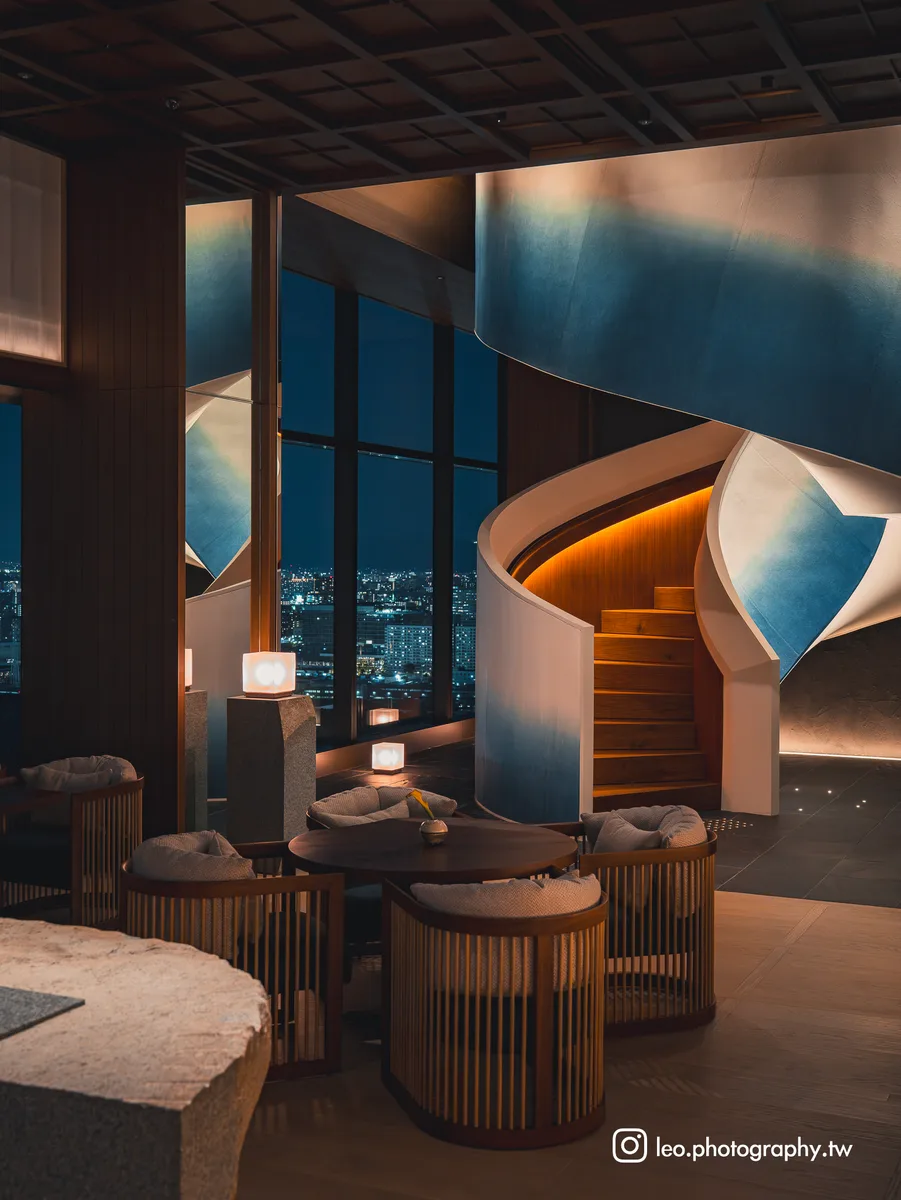
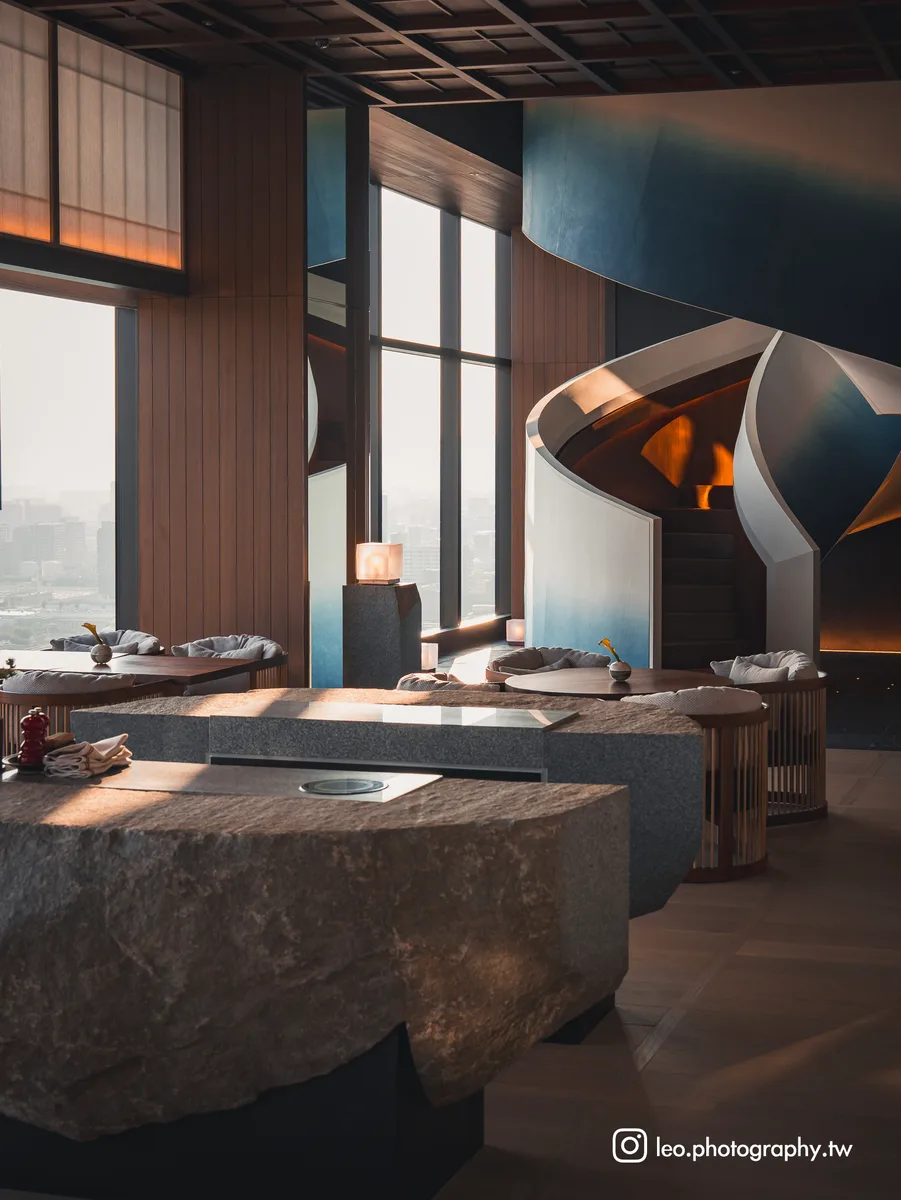
The most striking thing in the lobby is a spiral staircase joining the nineteenth and twentieth floors. Strickland wrapped its outer shell in washi paper dyed in traditional aizome indigo, the color running from pure white at the base to deep indigo at the top, as if the blue sky and white clouds outside had been distilled into one graceful ribbon. Follow it down and you arrive at Nijiri, the tea lounge below. Its name comes from the nijiriguchi, the low doorway of a traditional tea room that asks each guest to stoop on the way in: a small gesture of humility, and of equality. Every step down is a gentle bow.
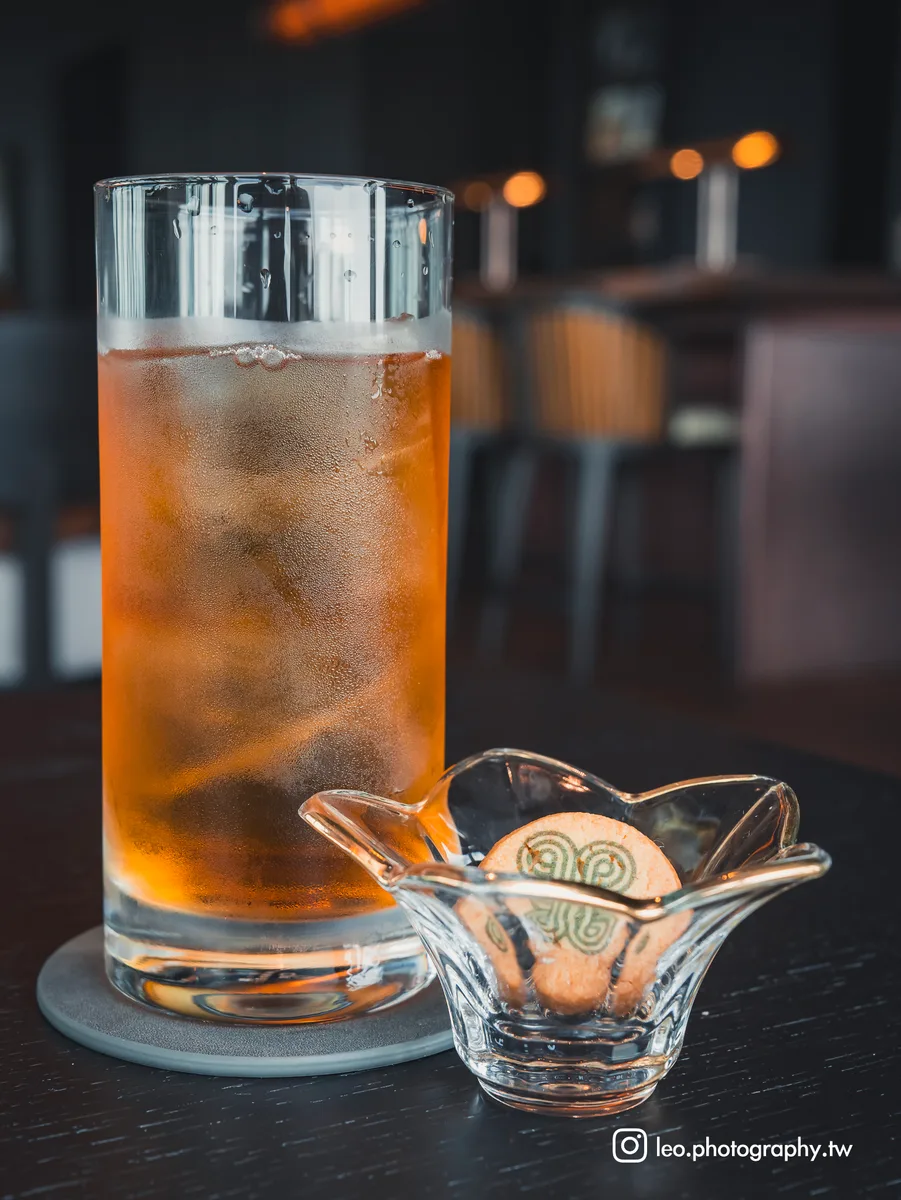
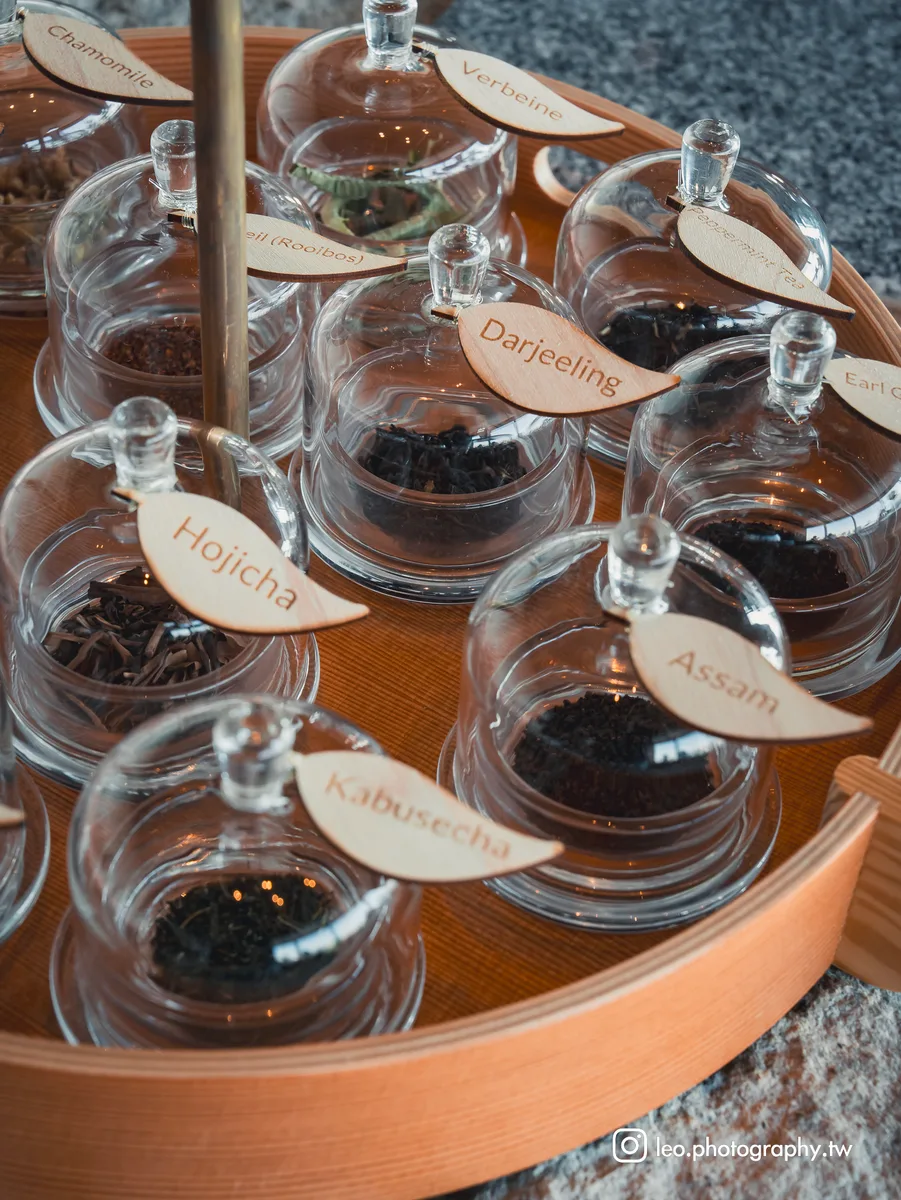
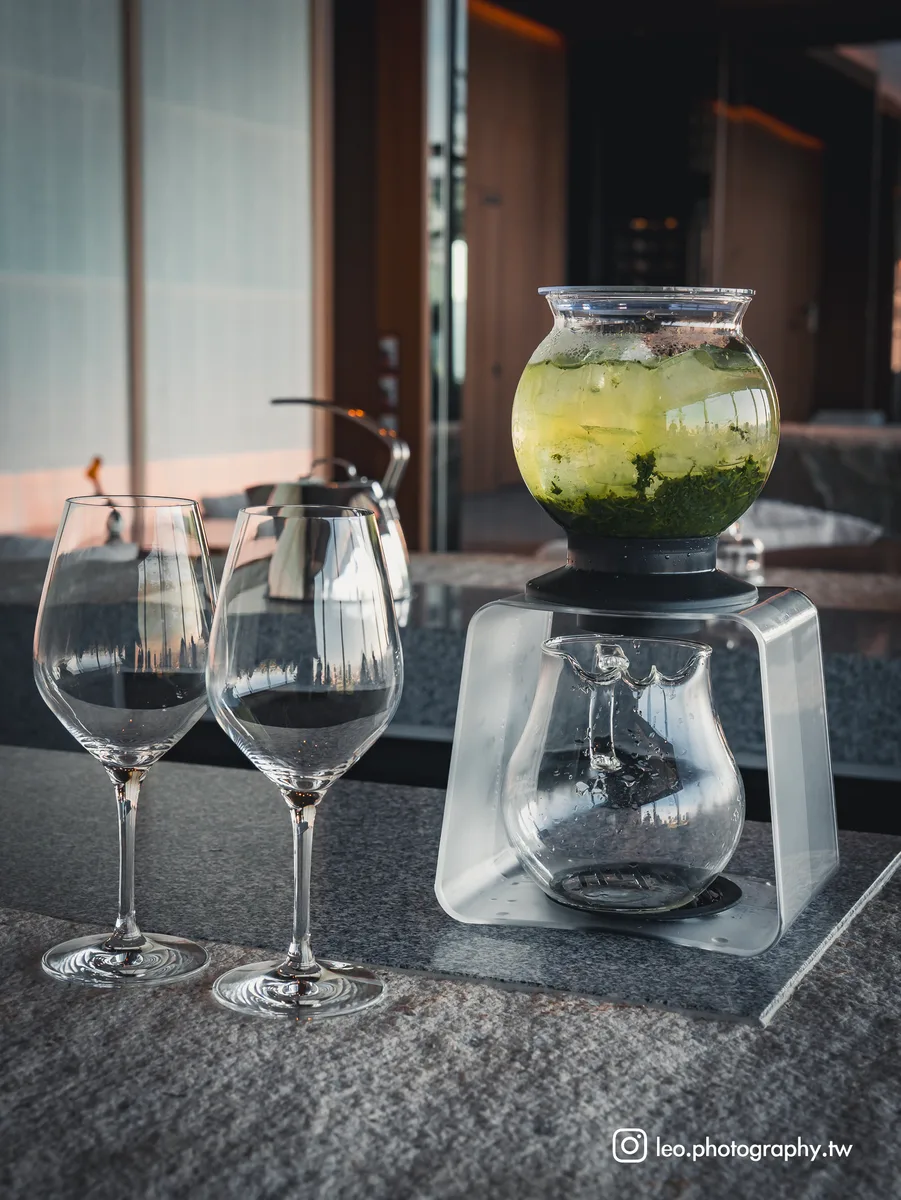
The lounge centers on a counter cut from two great stones, where the tea you order is brewed in front of you. The list draws on organic gardens in Kansai and Shizuoka, and cloches of loose leaves come to the table so you can smell your way through them. Check-in happens upstairs; the journey begins down here.
Suites
A Castle, Framed
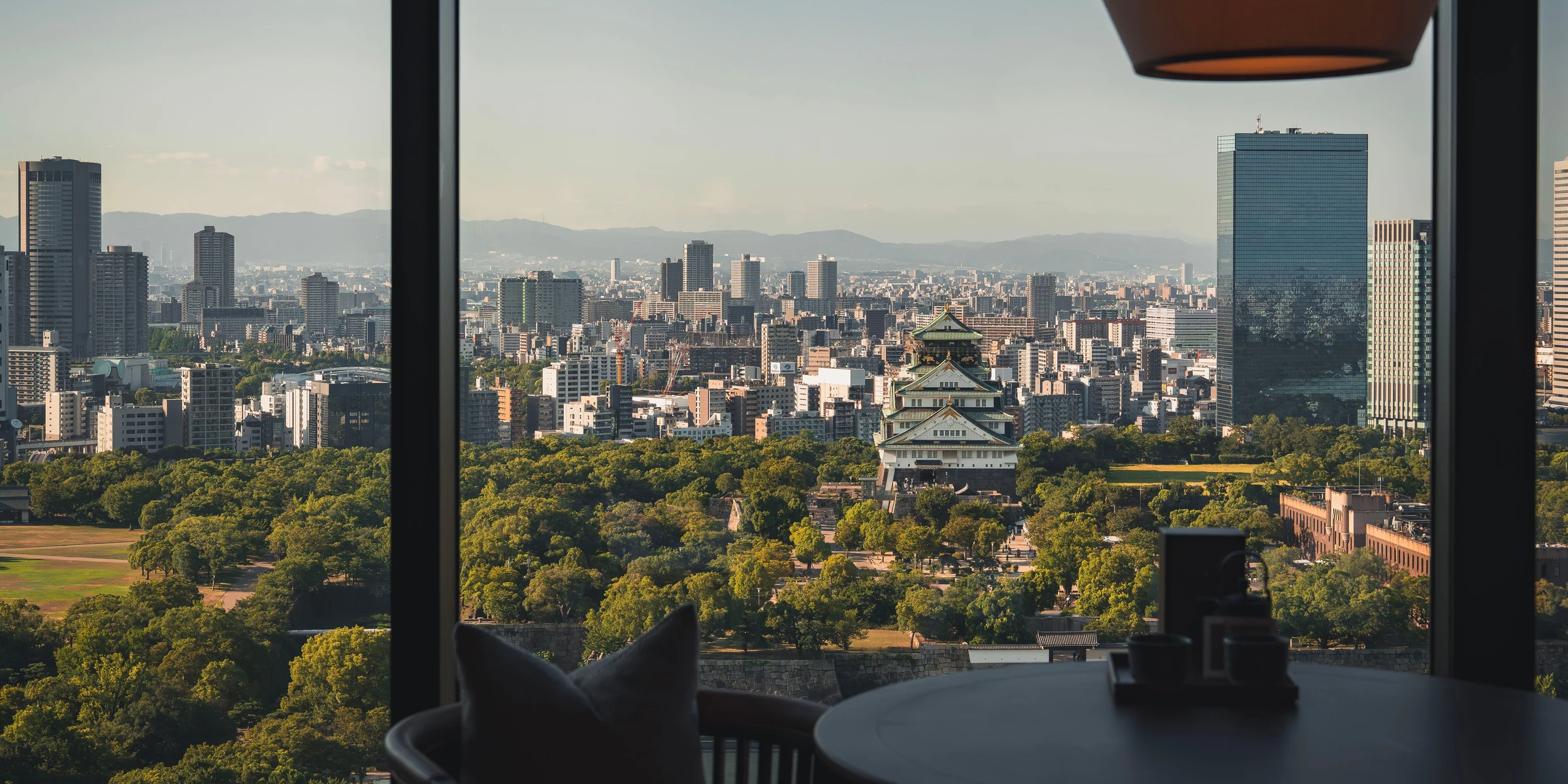
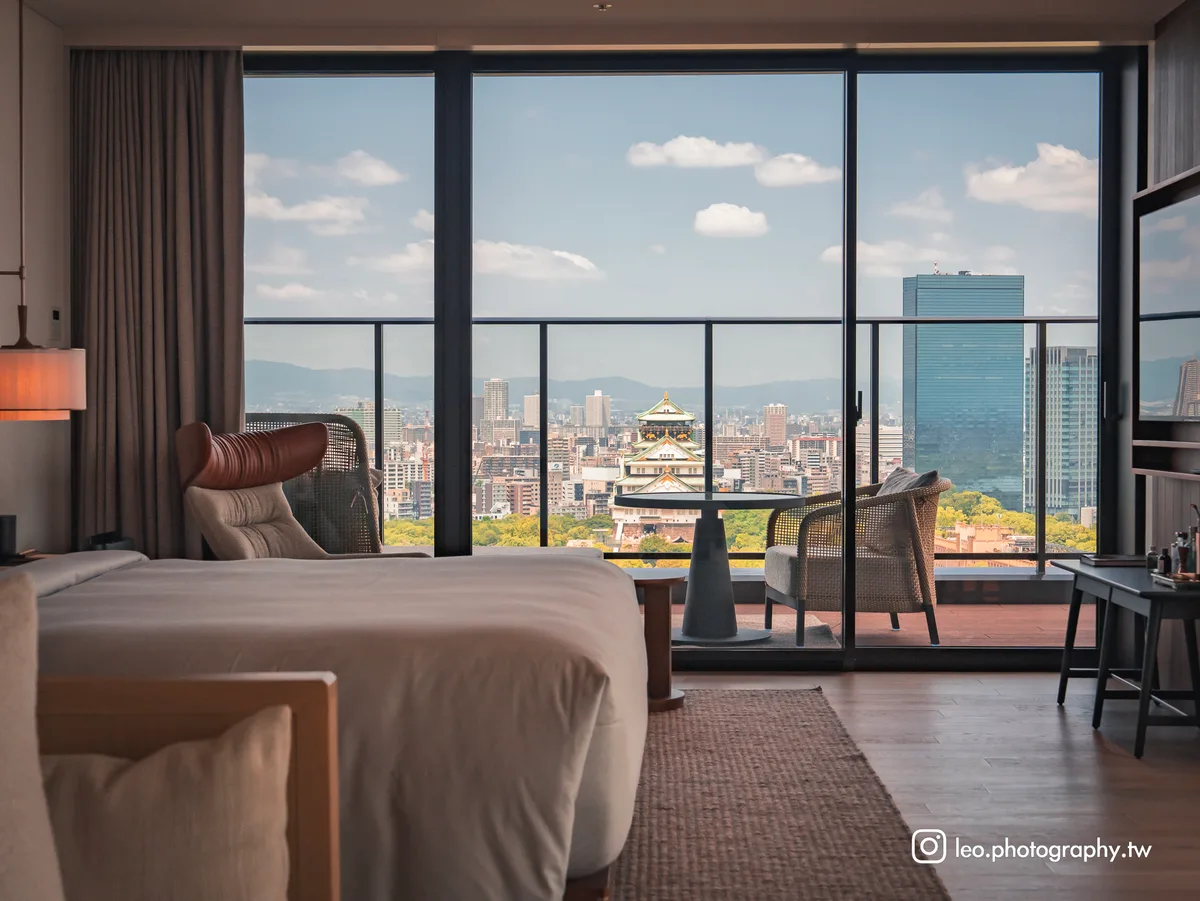
Osaka Castle settles into the glass, a painting hung just for you.
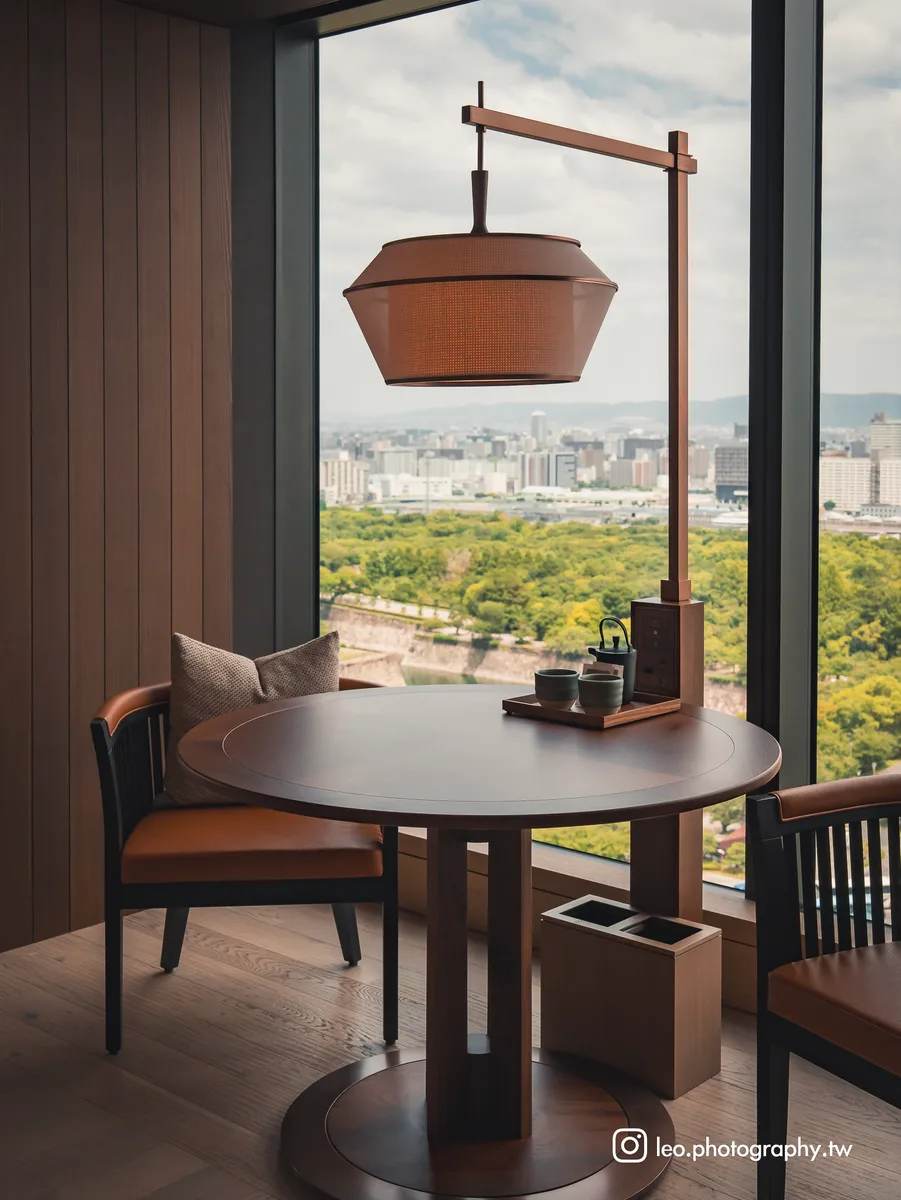
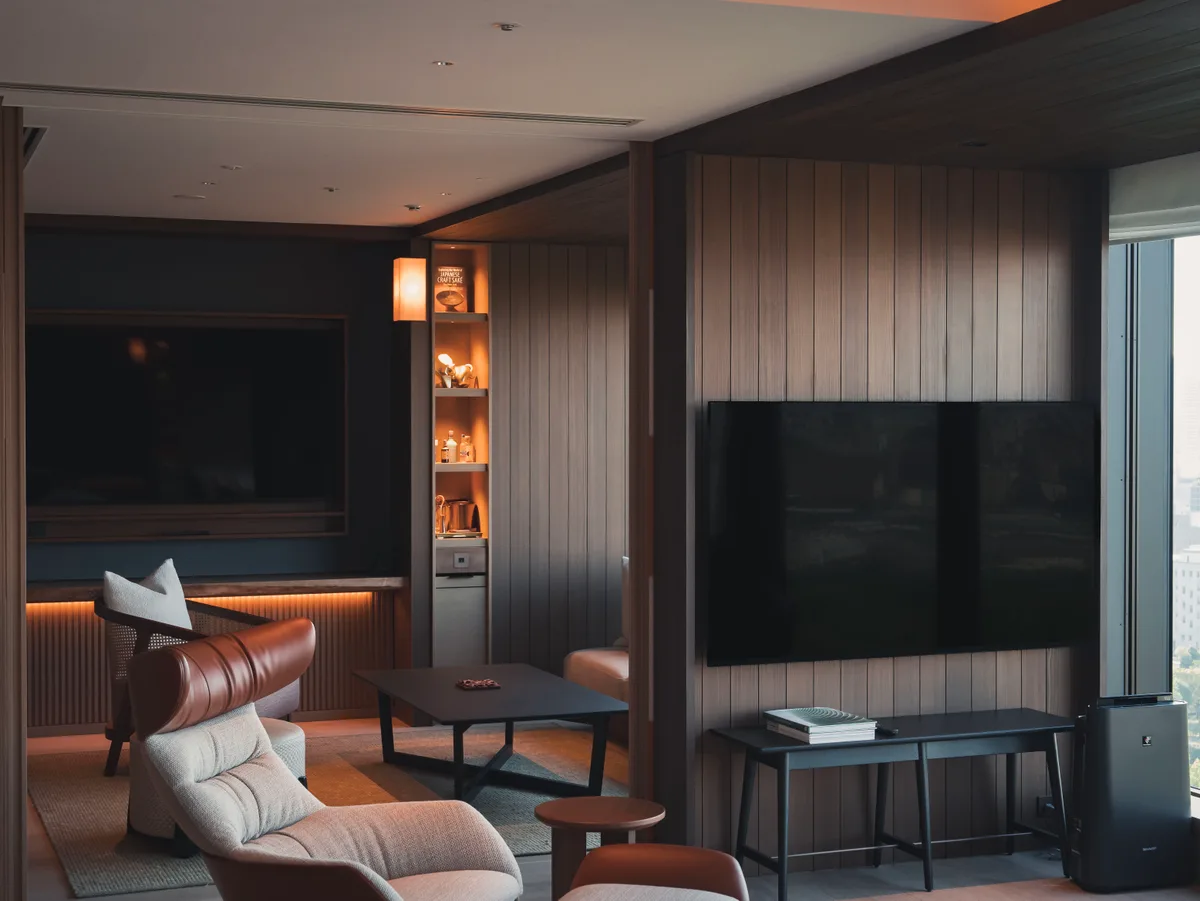
City hotels in Japan rarely spare space for balconies, yet Patina includes them in both the Premier Room (city view) and the Junior Suite (castle view). Ours was the Junior Suite: open the door, and the castle keep drops straight into view. Step out to the balcony with a pot of tea, and you can sit face to face with Osaka Castle, which is its own quiet luxury (though in Osaka’s August heat, a short sit is about all you can manage before retreating to the air-conditioning). The Deluxe Suite Osaka Castle View takes the other route. The balcony gives way to one vast floor-to-ceiling window, a tatami daybed sits against the glass, and a separate living area handles dinner or a bit of work. With nothing between you and the castle, history and landscape come straight into the room.
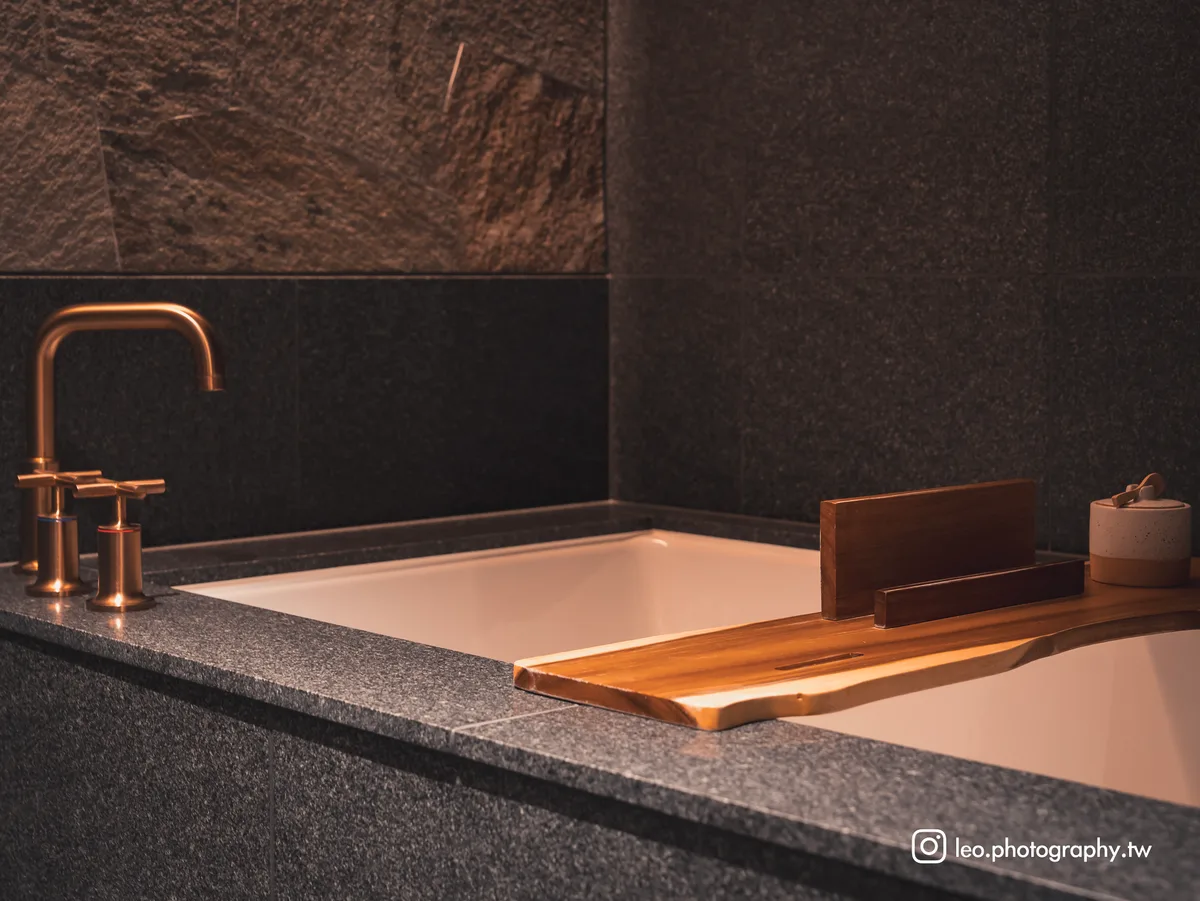
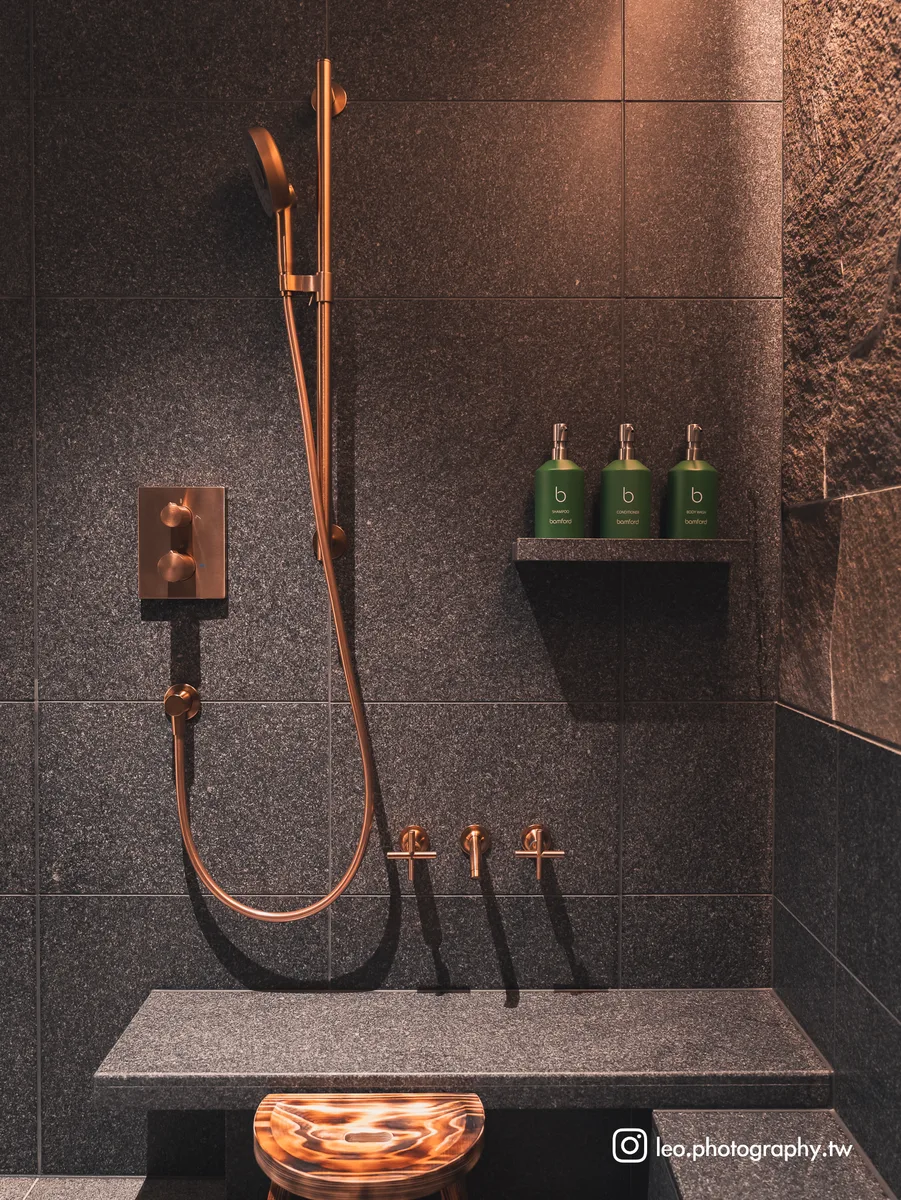
Everywhere, the rooms borrow from the ground they stand on: the washi headboard panels take their texture from the castle’s stone walls; the cushions on the daybed are woven in sakiori, an old Japanese rag-weaving craft, from retired curtains torn into strips; even the bed linens forgo the usual luxury-hotel white for a custom pale grey that echoes the stone ramparts and spares the bleach. Bang & Olufsen speakers and Bamford amenities round things out, and the bathroom fittings keep to a calm metallic tone. Stay in for a while, and Osaka Castle settles into the glass like a painting hung just for you.
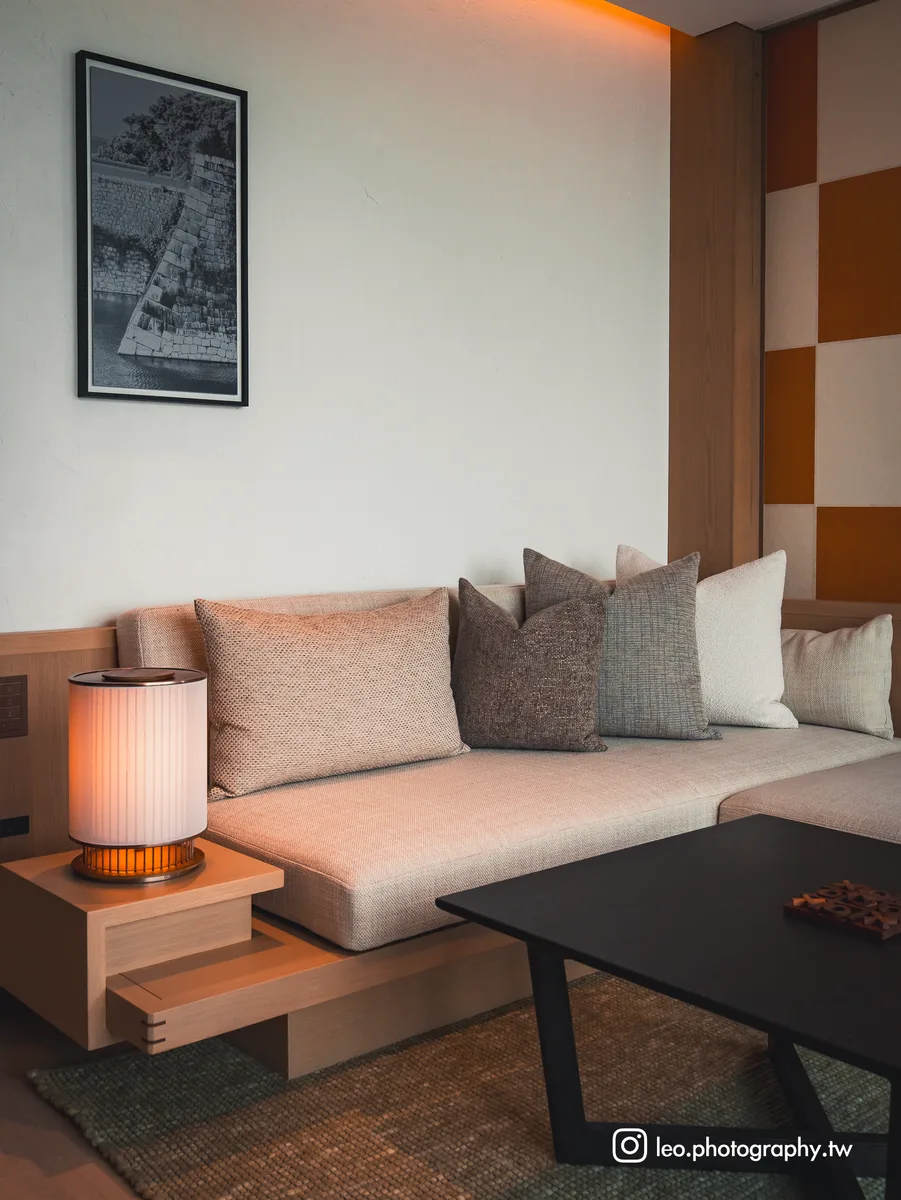
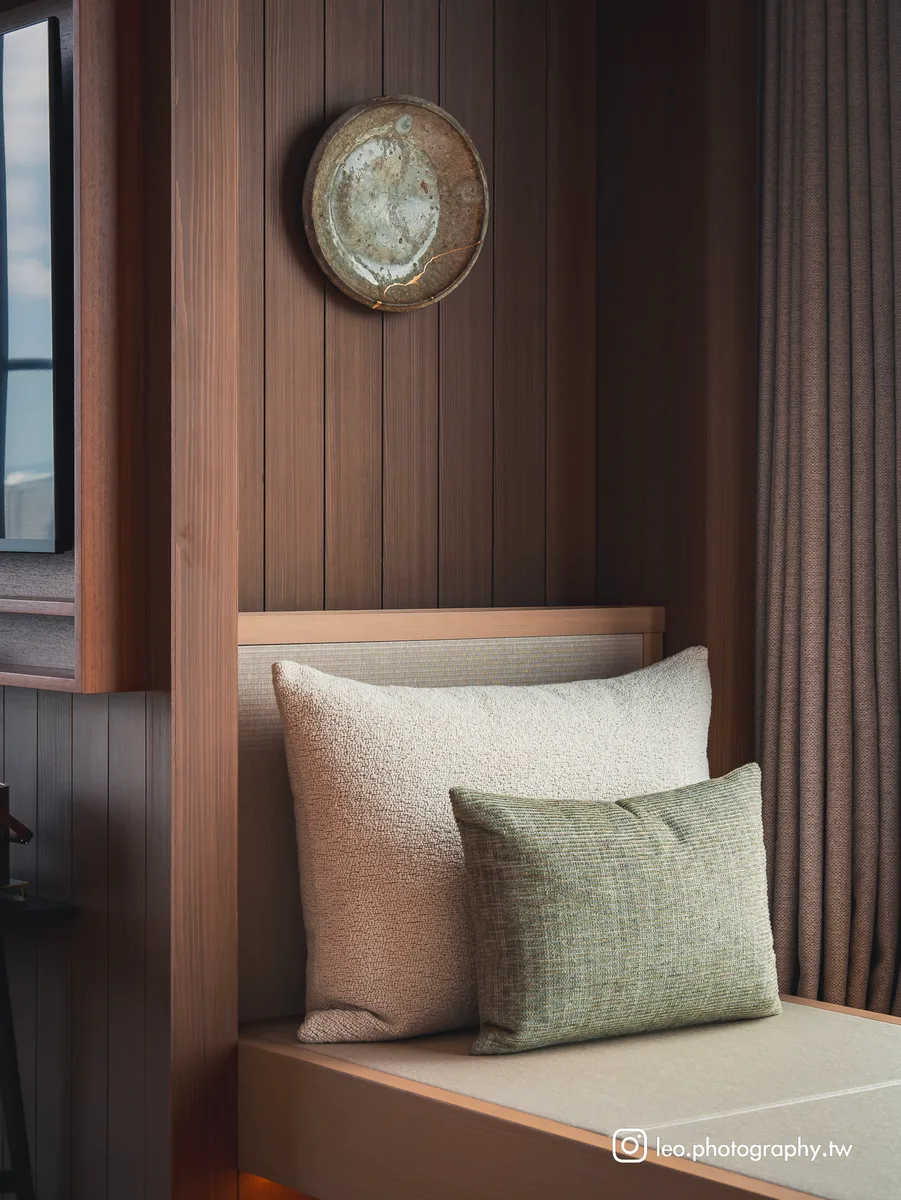
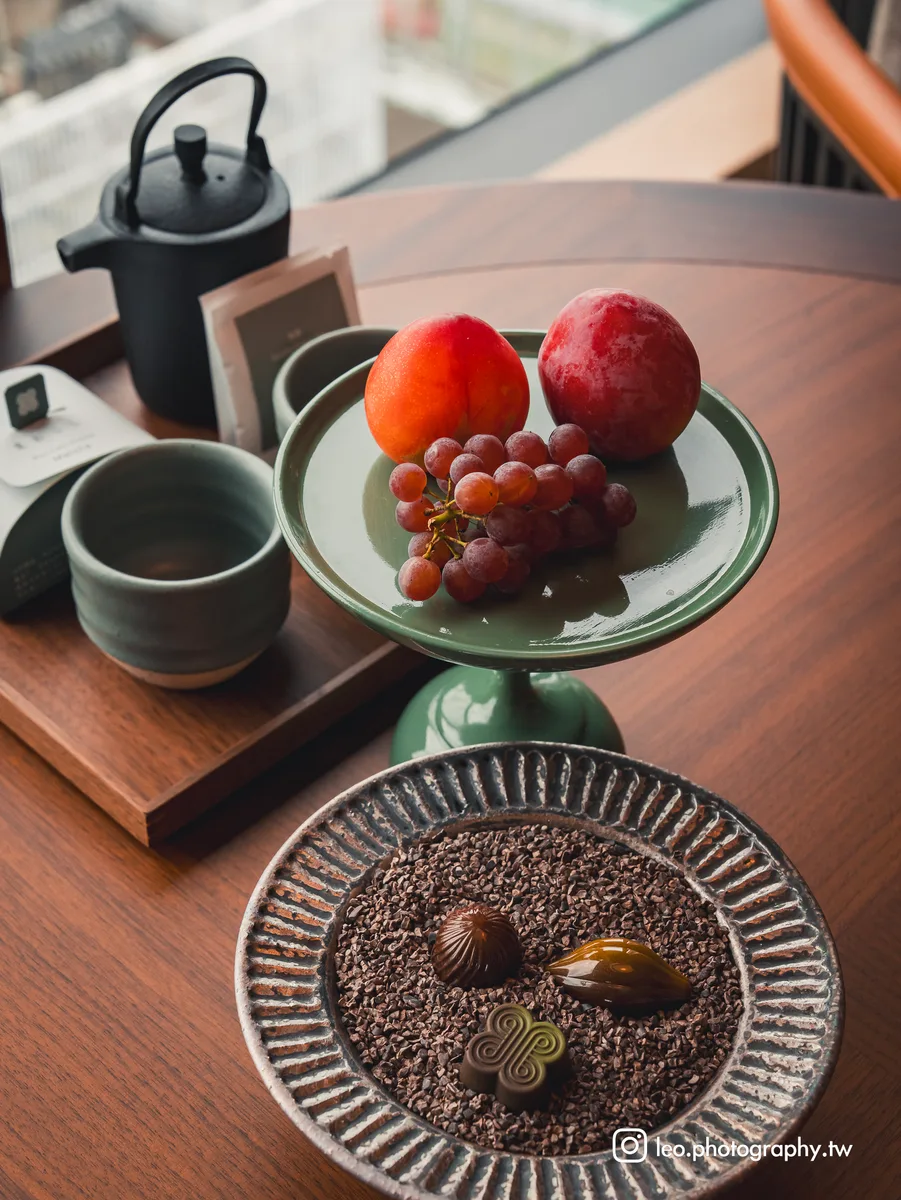
By the entrance, a low table and sofa make a small sitting corner.
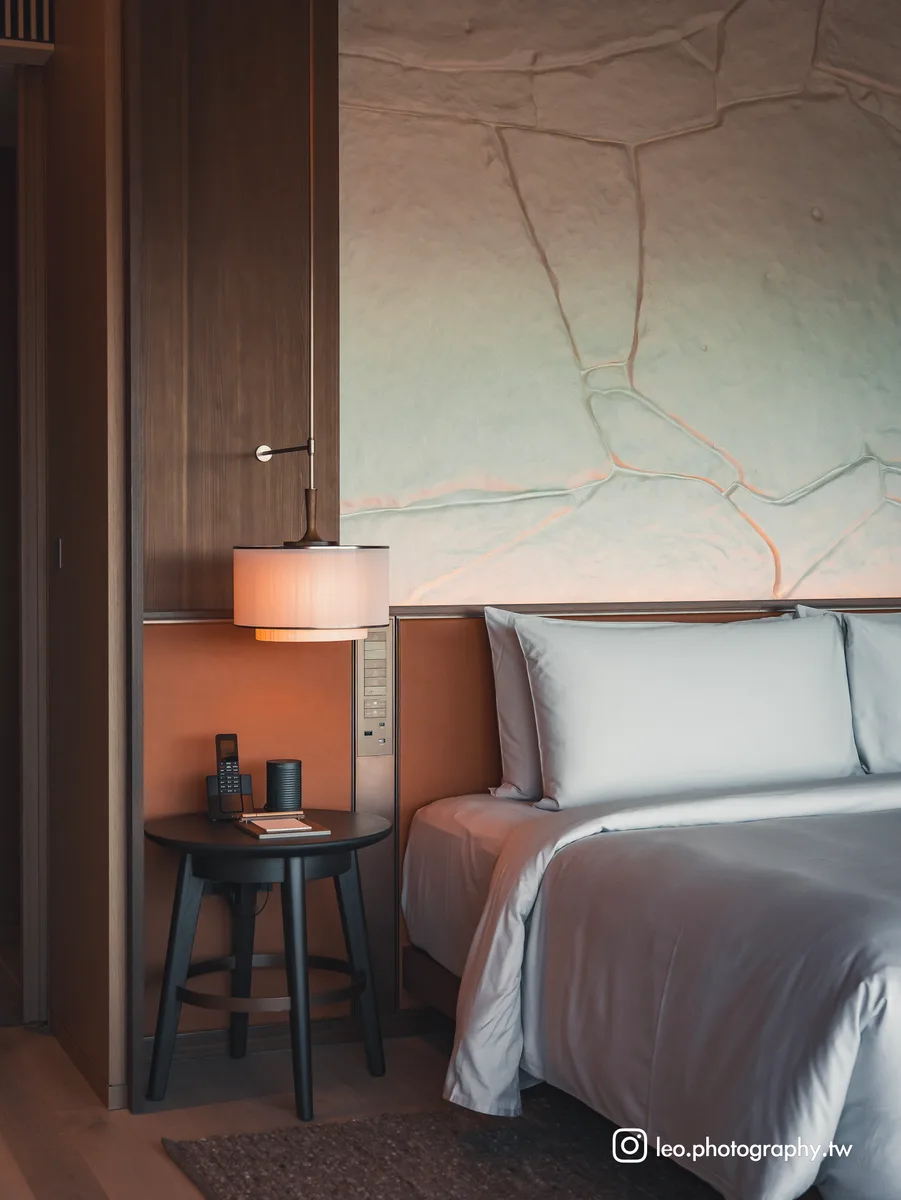
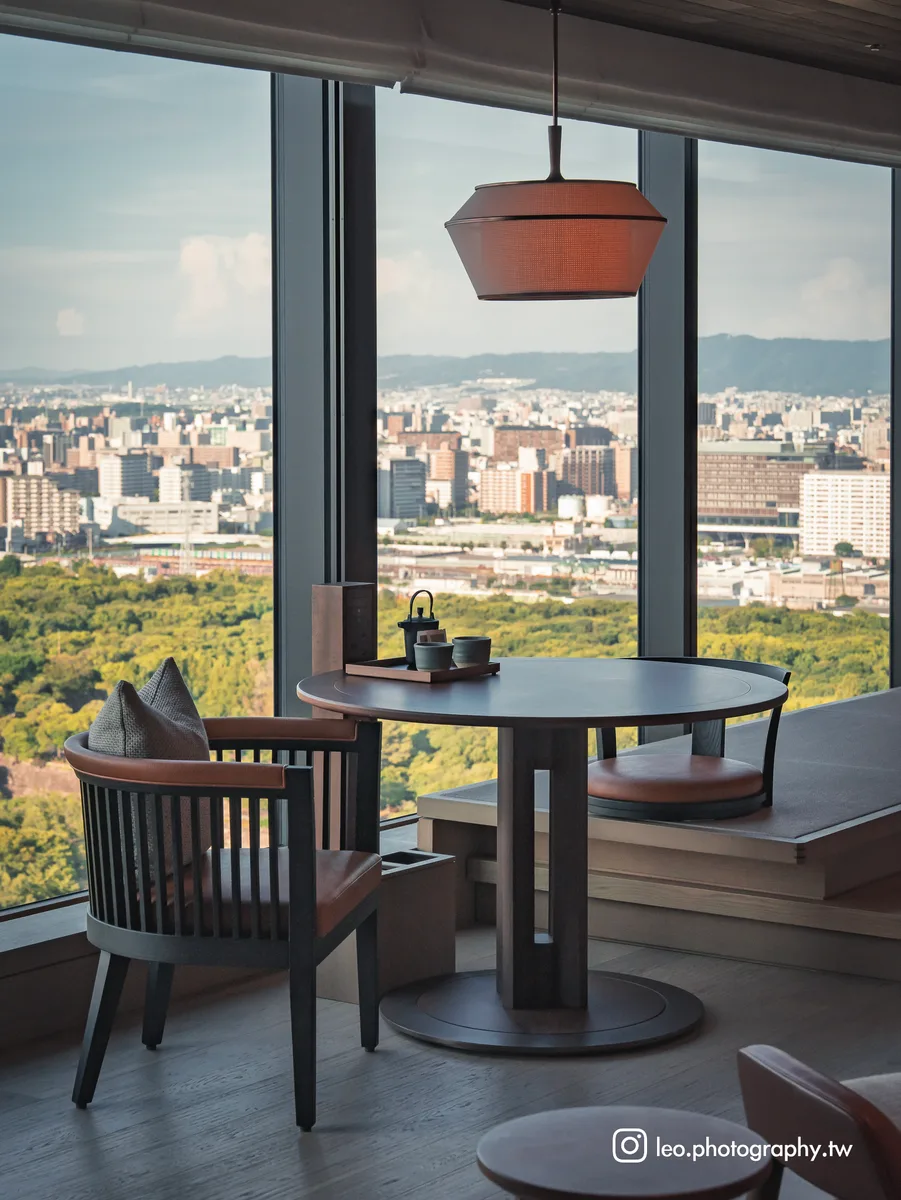
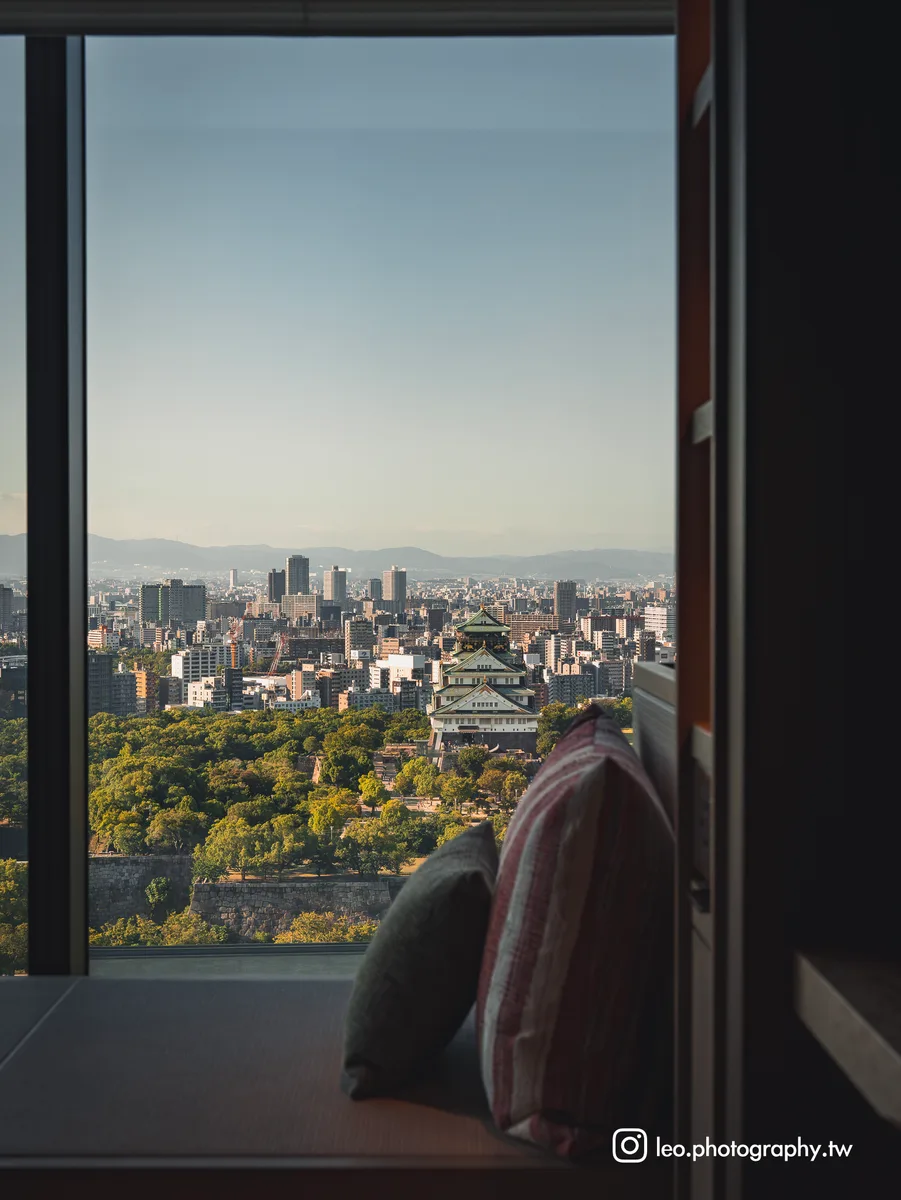
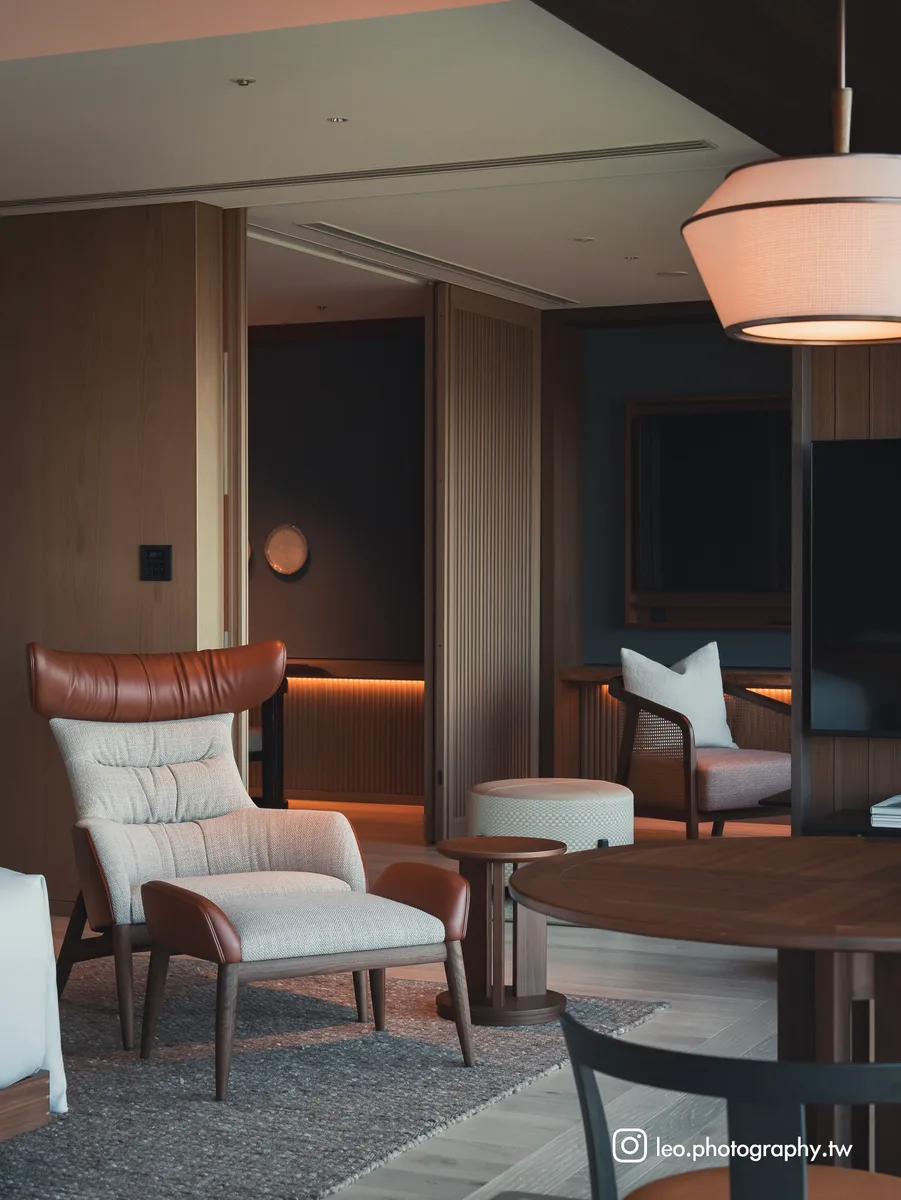
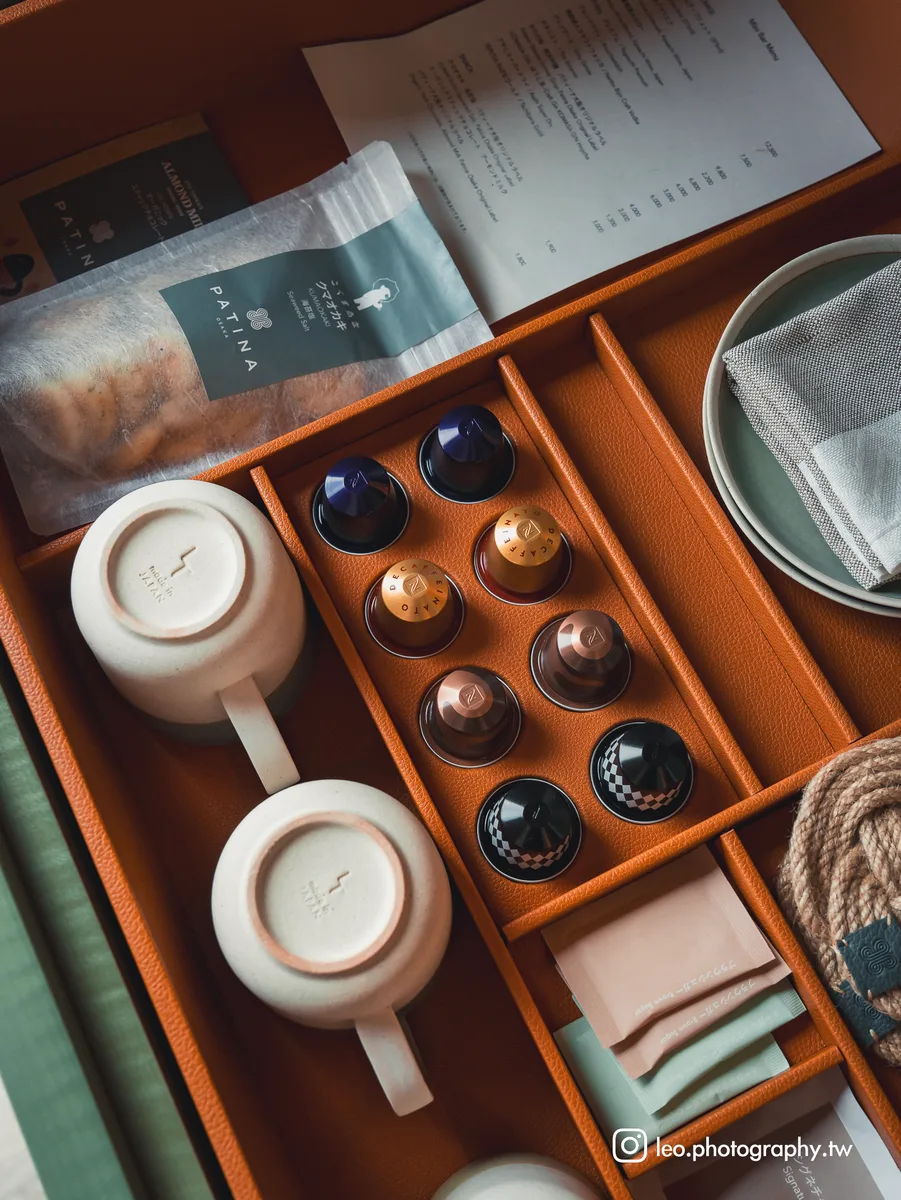
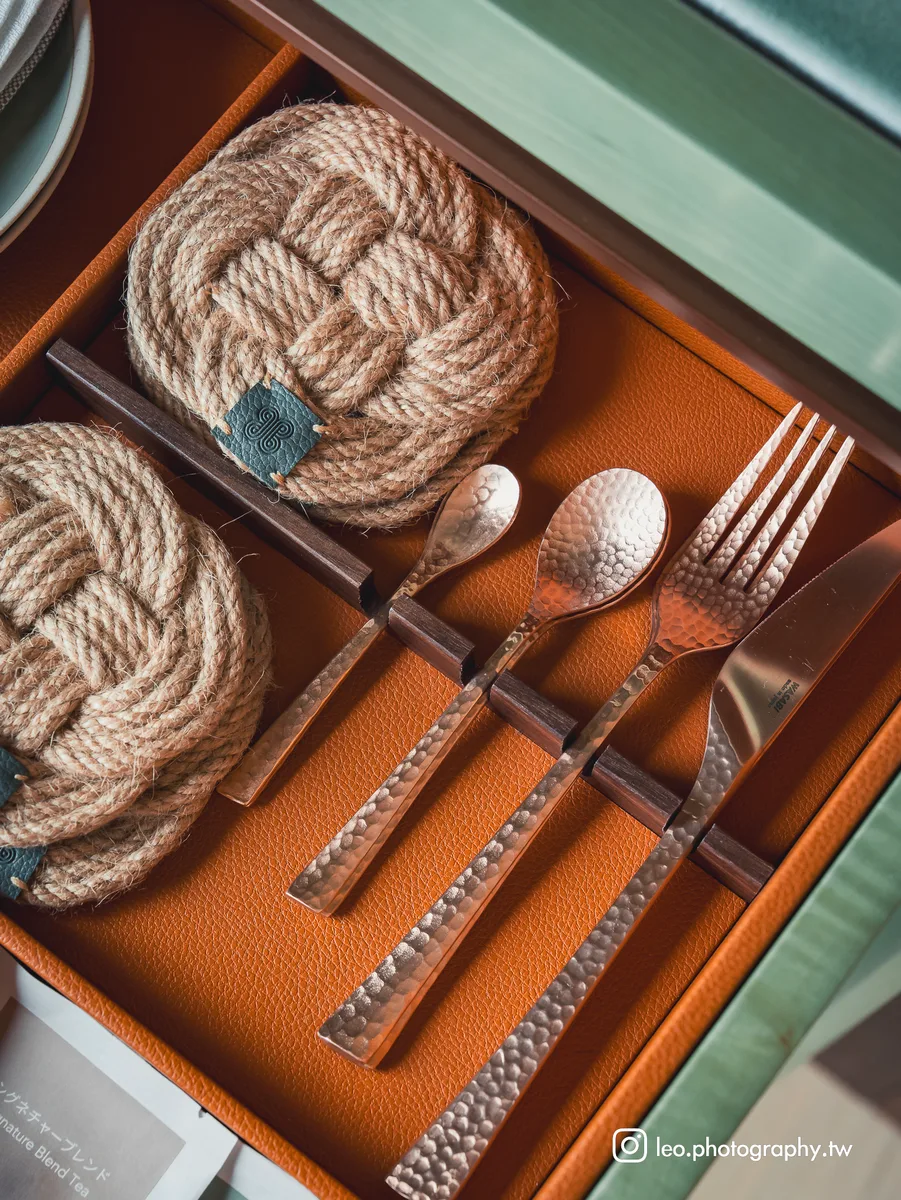

Lean back, and the view does the rest.
Dusk
Flame, Dusk, and a Teppanyaki Dinner
Flames leap in the open kitchen, and the chef's knife keeps its steady rhythm.
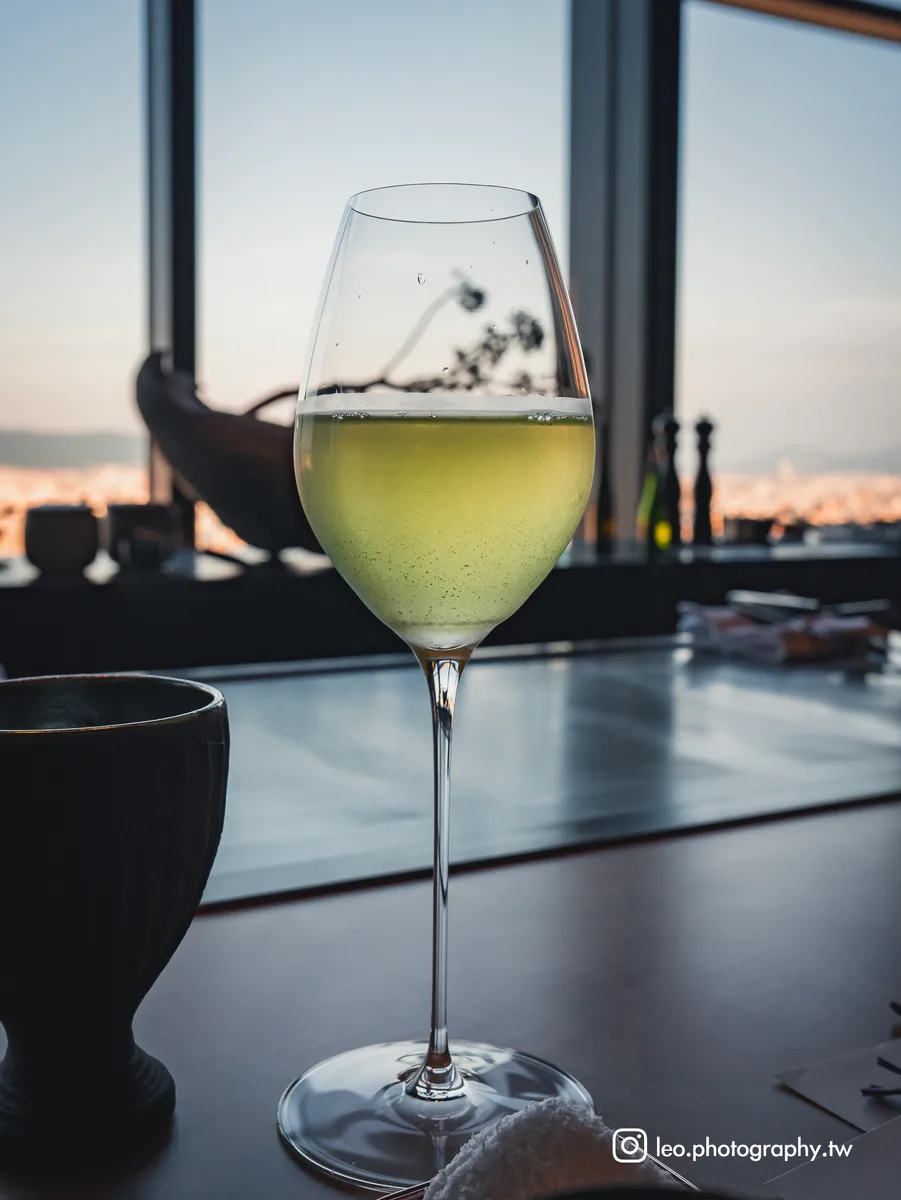
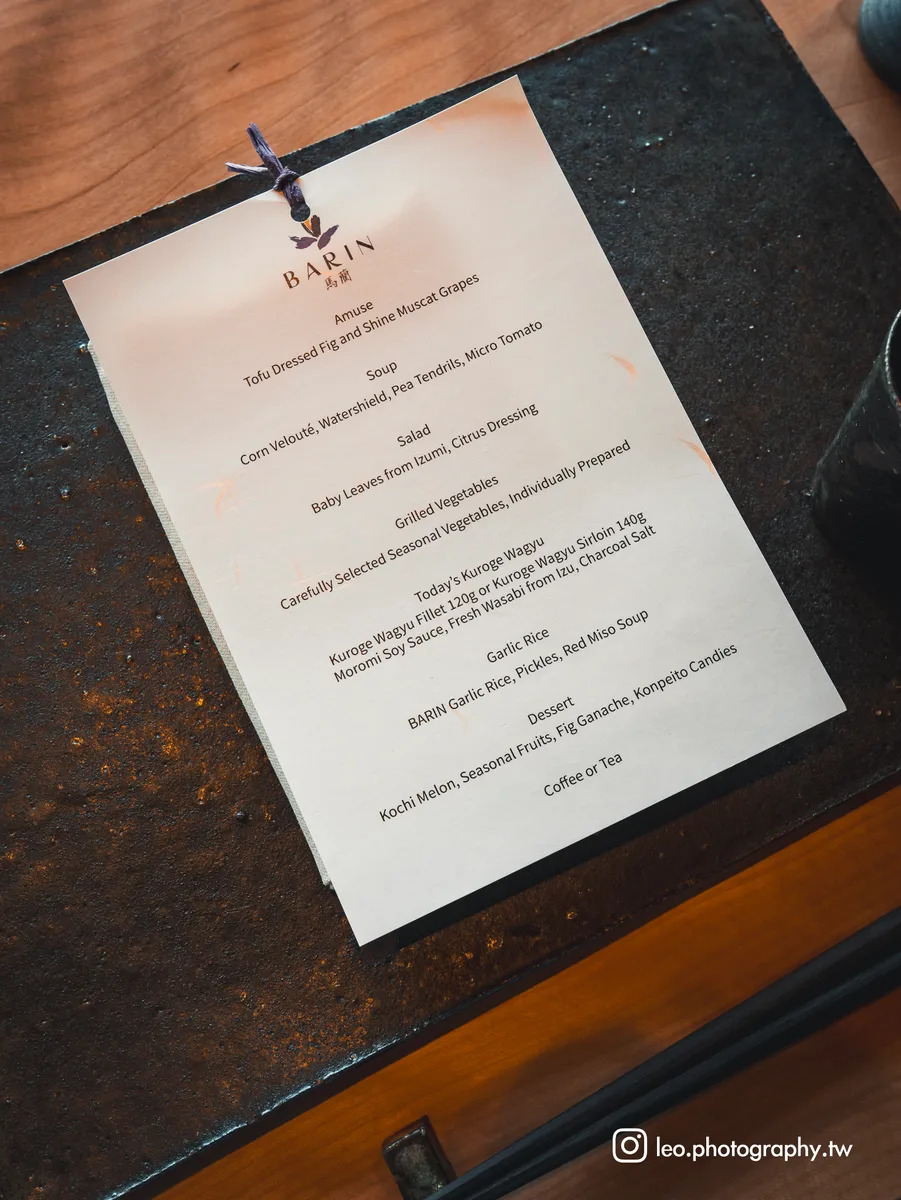
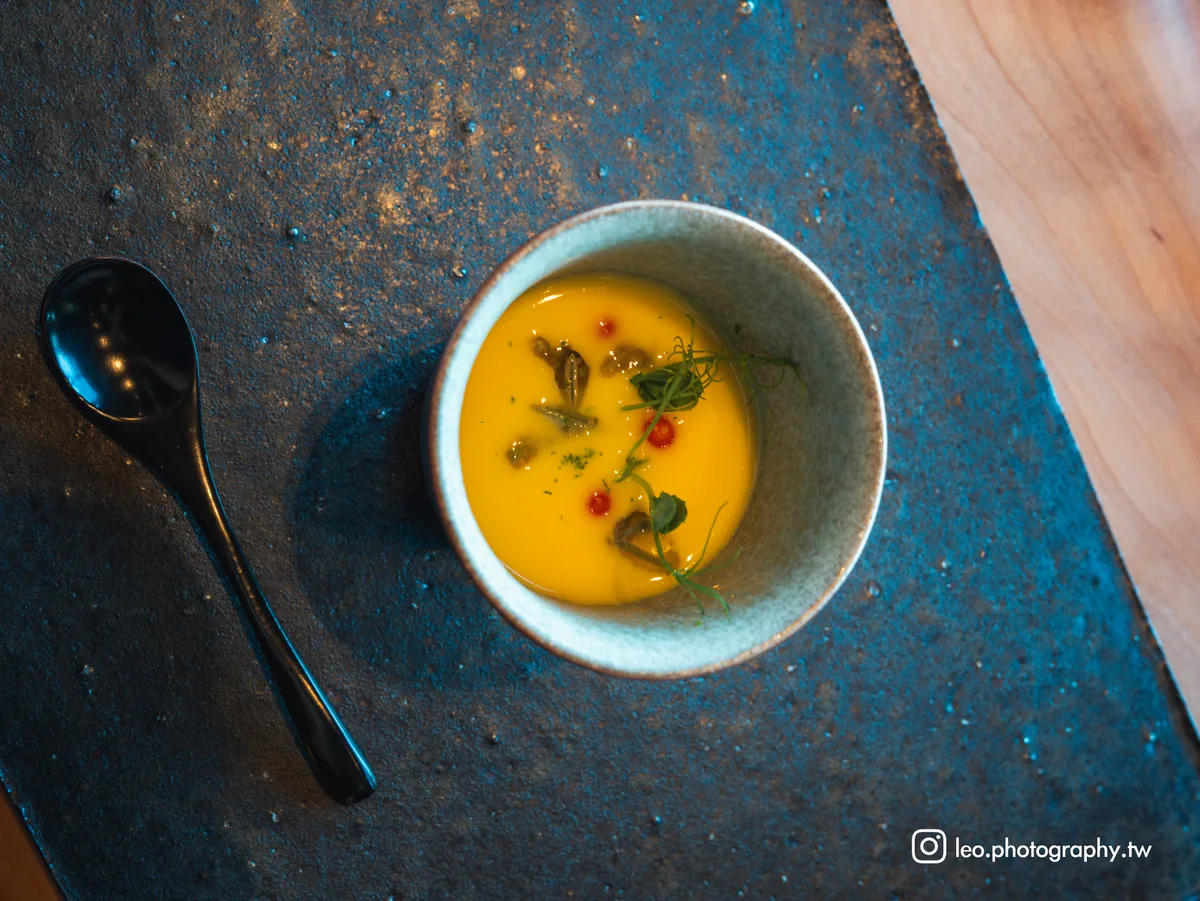
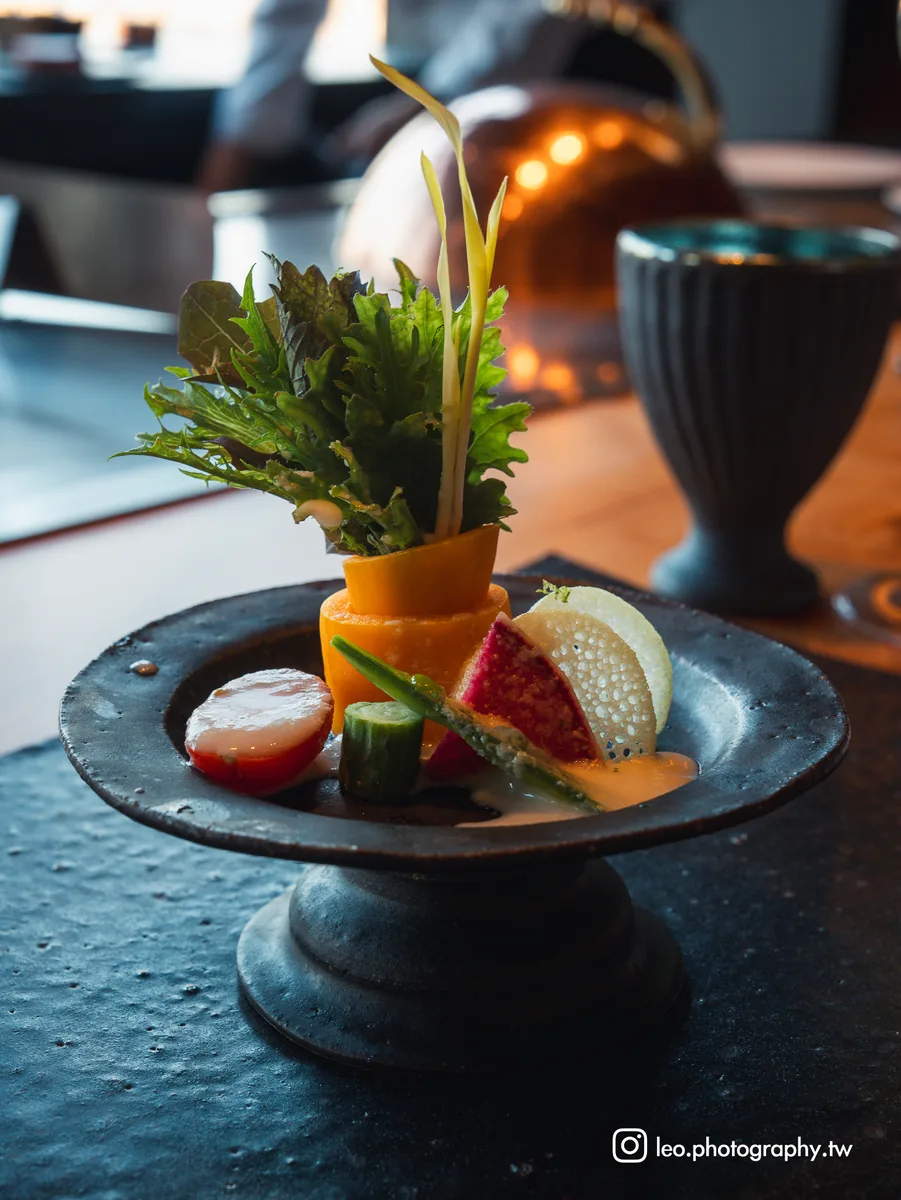
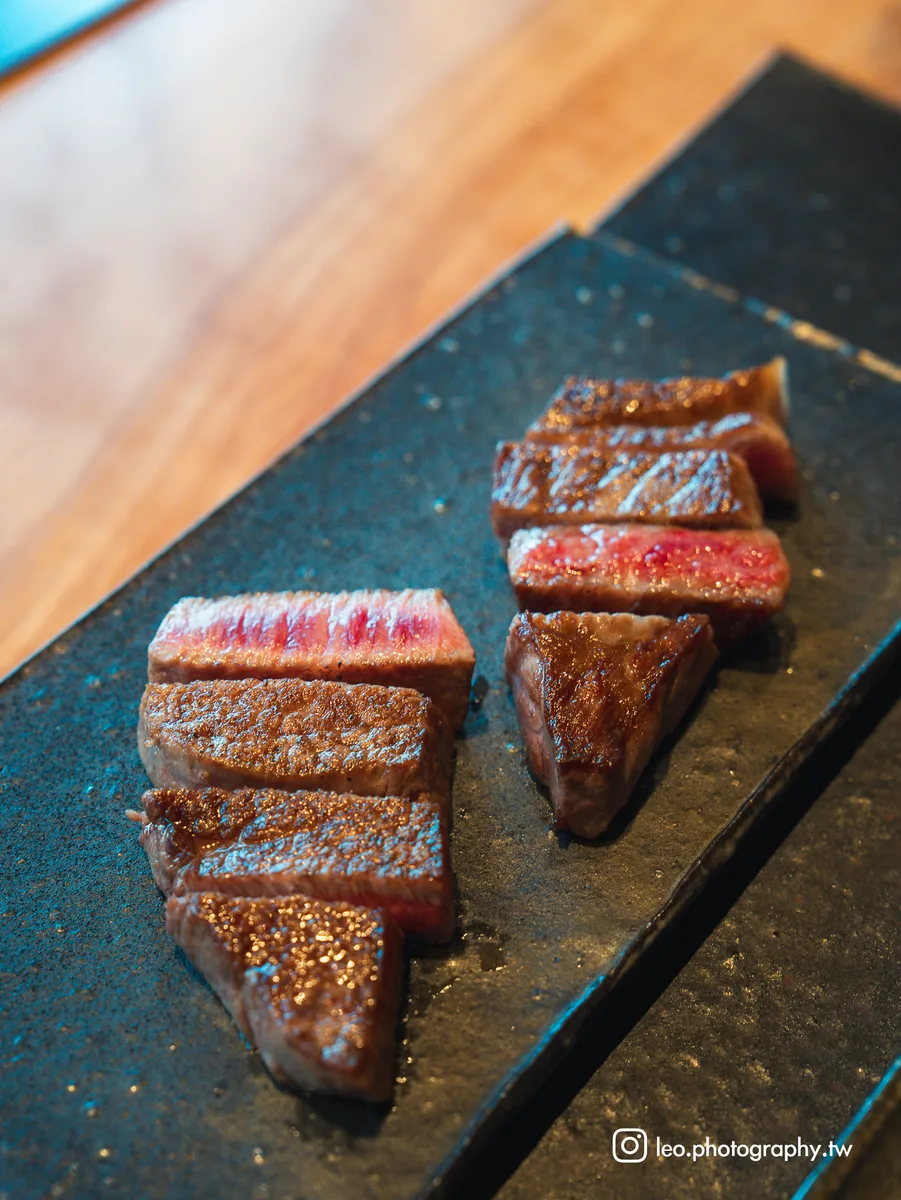
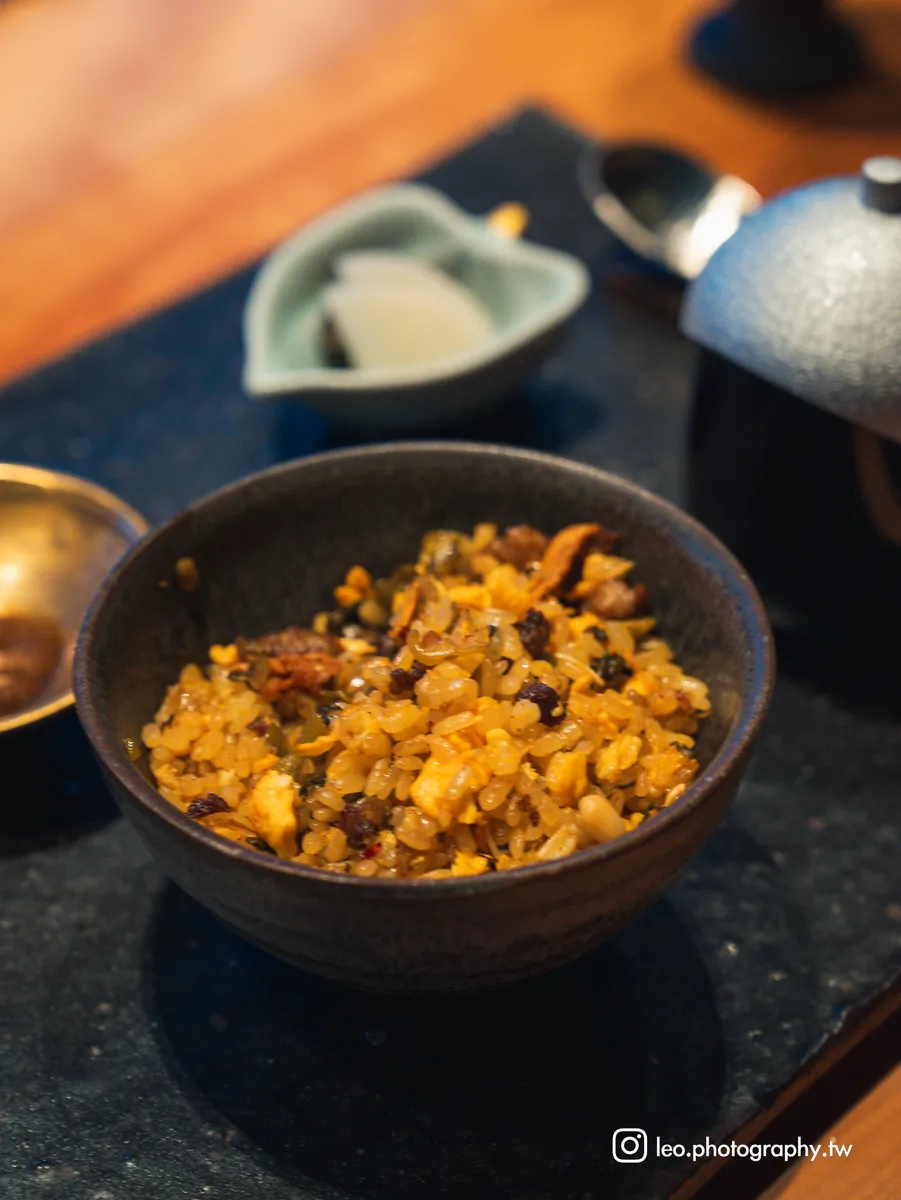
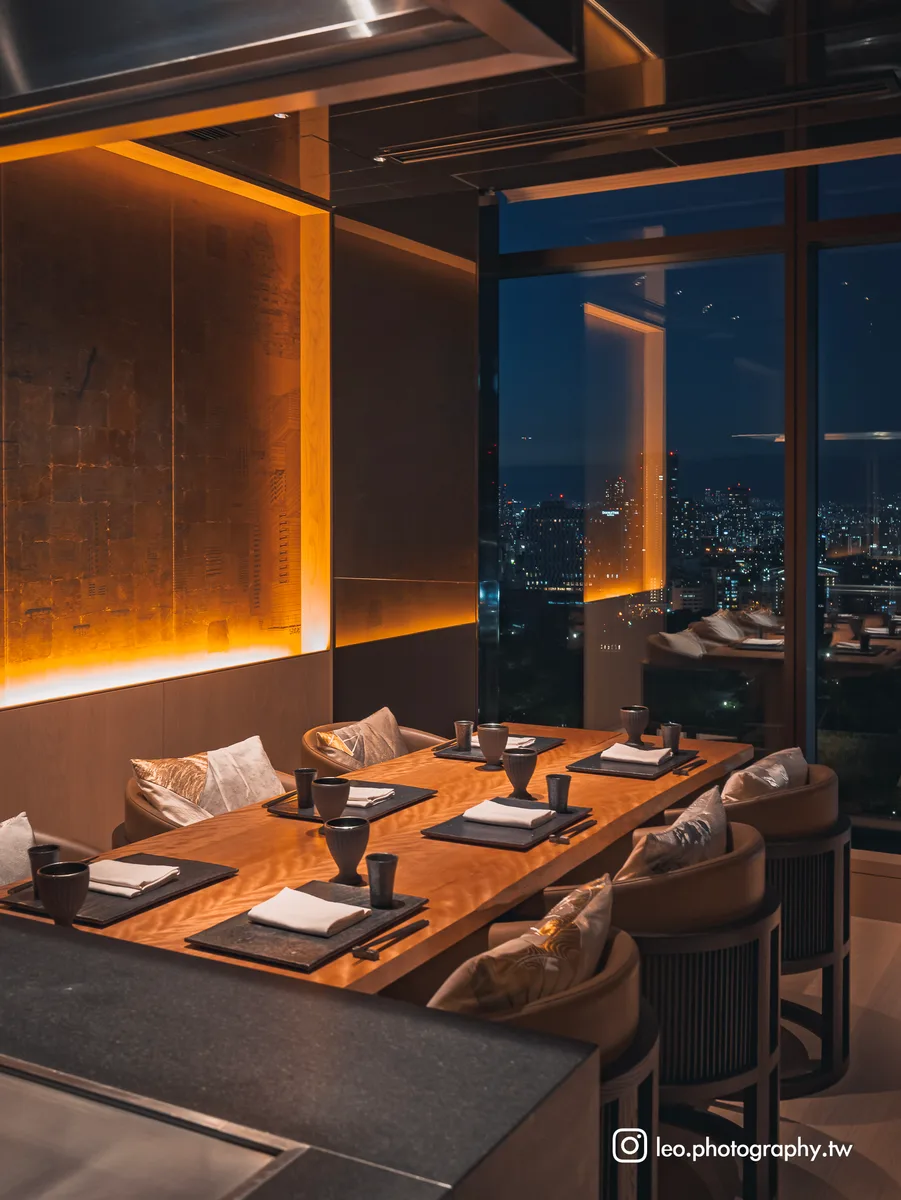
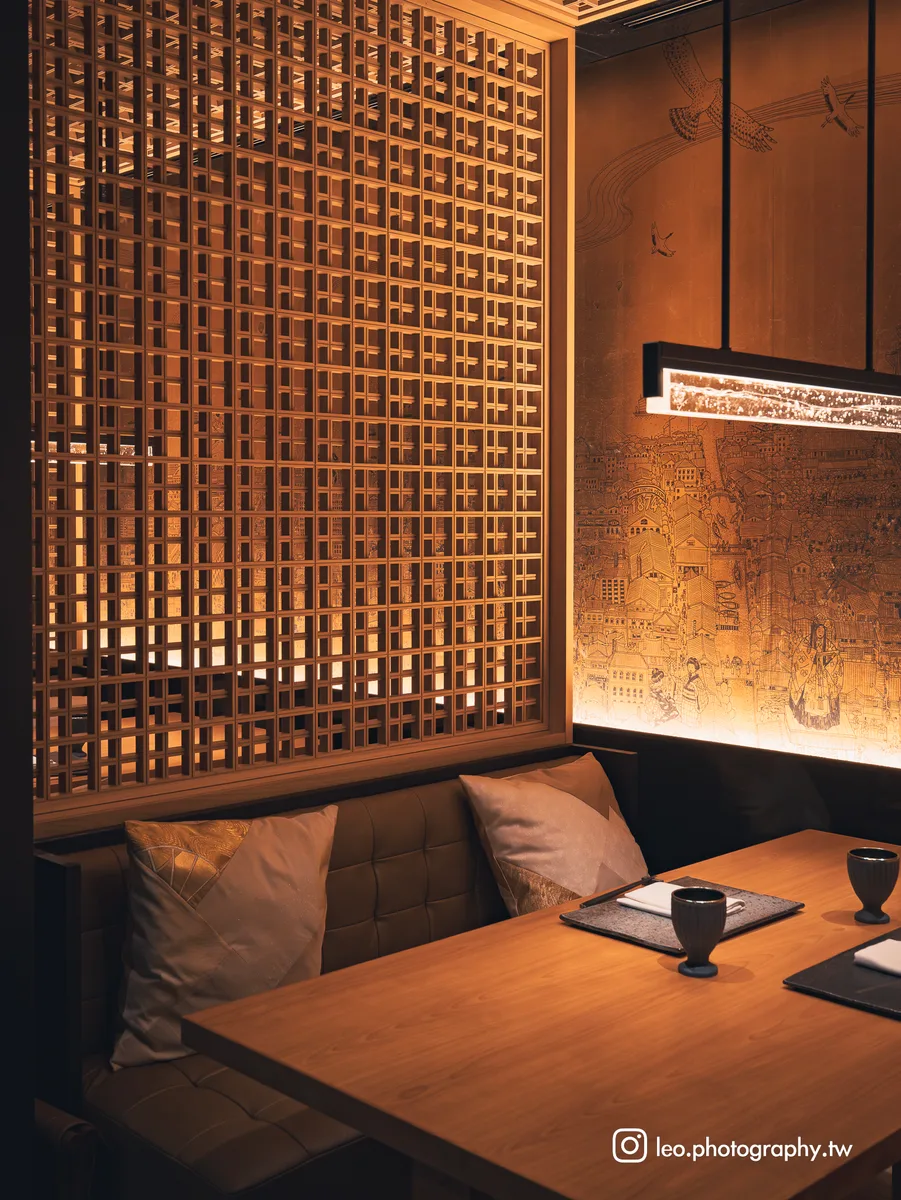
Dinner was at Barin, the teppanyaki restaurant on the nineteenth floor. We sat down while the sky still held some light and ordered a glass of gyokuro, the shade-grown green tea. Beyond the counter, the city’s outline slowly retreated into dusk. Barin takes its inspiration from the samurai who once guarded Osaka Castle, and along the wall beside the seats runs a gold-leaf mural tracing a thousand years of the city’s history. Seats at the teppan counter are few. Flames leap in the open kitchen, and the chef’s knife keeps up a steady rhythm an arm’s length away. The opener is worth a mention: even in a teppanyaki restaurant, the appetizer arrives with all the delicacy of Japanese plating, in a blue-glazed glass bowl that would not look out of place at a kaiseki meal. After dinner, the staff walked us over to the private dining room on the corner. Guests there have the castle view to themselves, and an old map of Osaka on the wall quietly folds history into the scene.
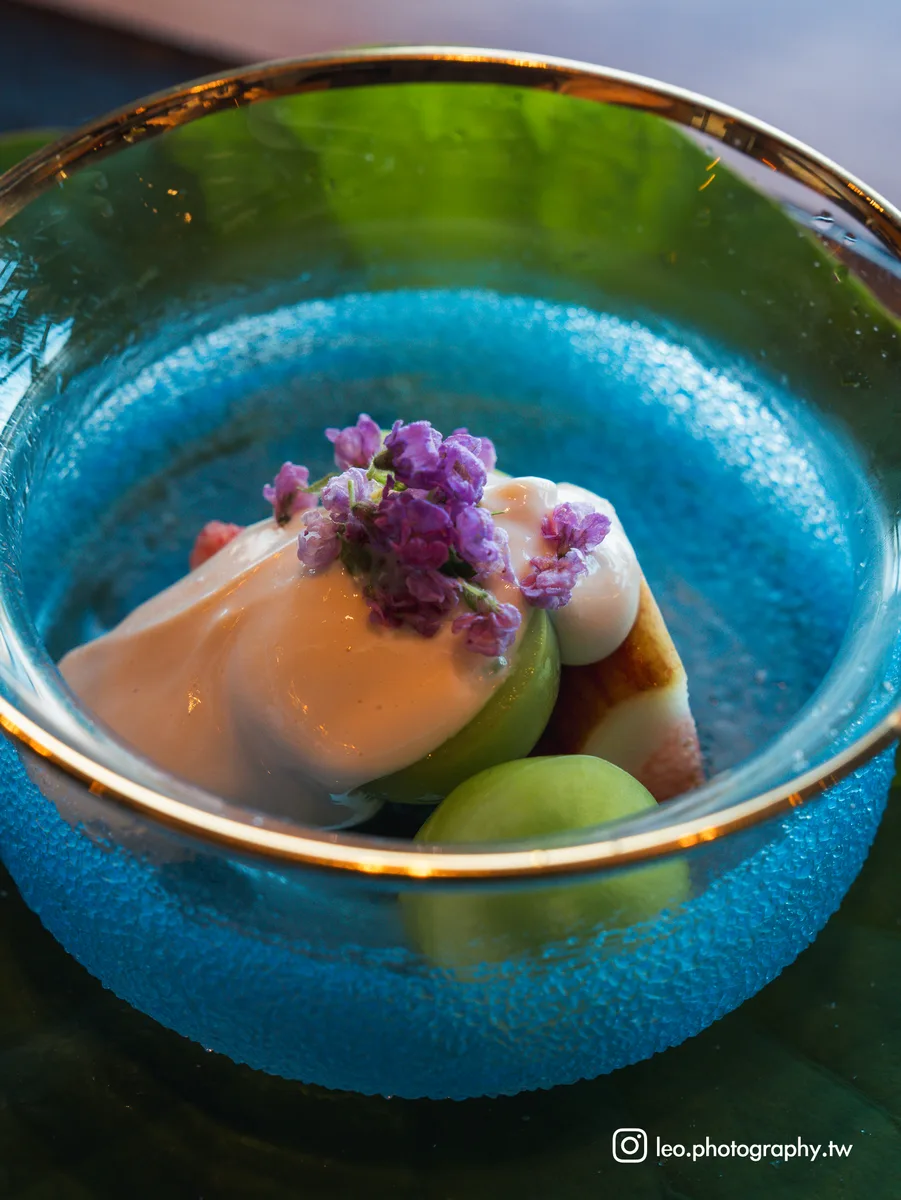
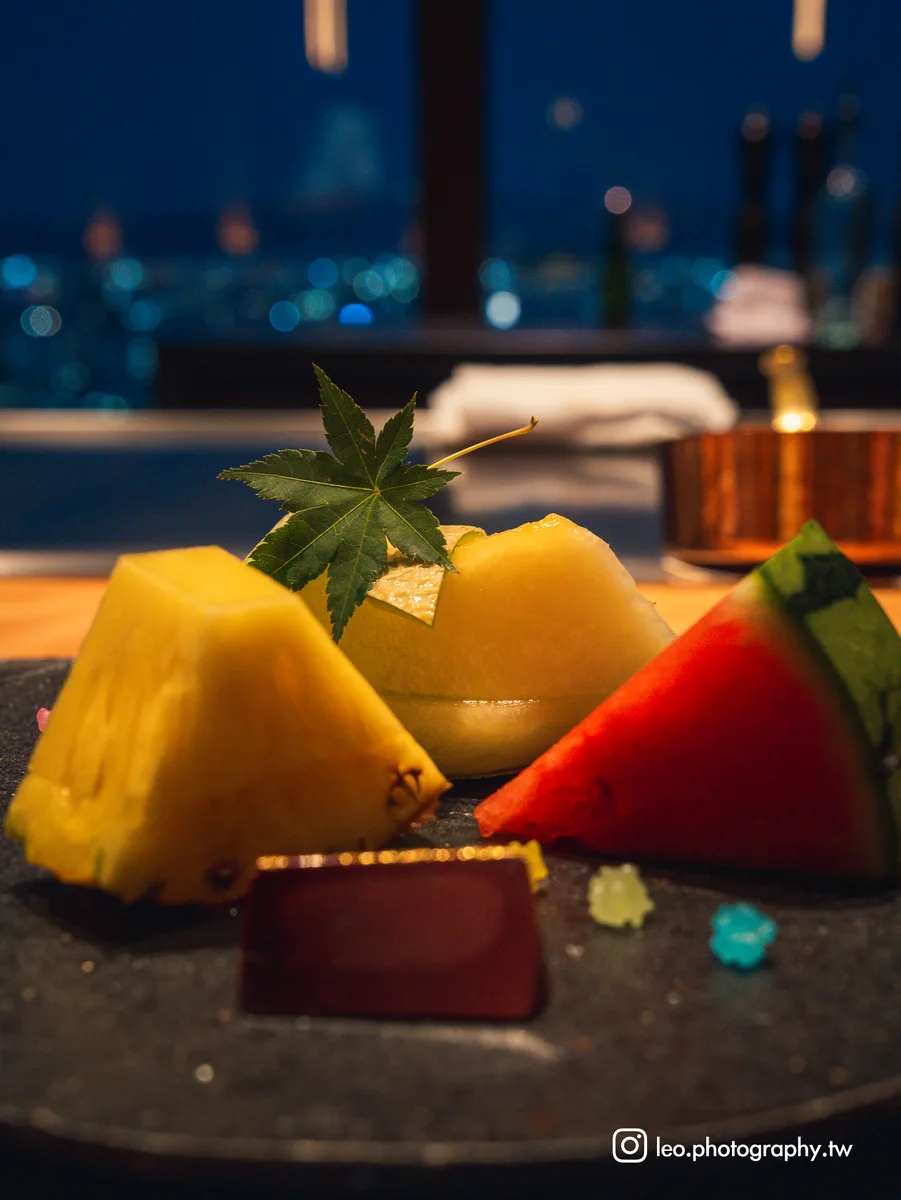
The opener: fig and Shine Muscat grapes dressed in tofu, served in a blue-glazed bowl as fine as a kaiseki first course.
Night
Nijiri, After Hours
At this hour, it was just us and the night.
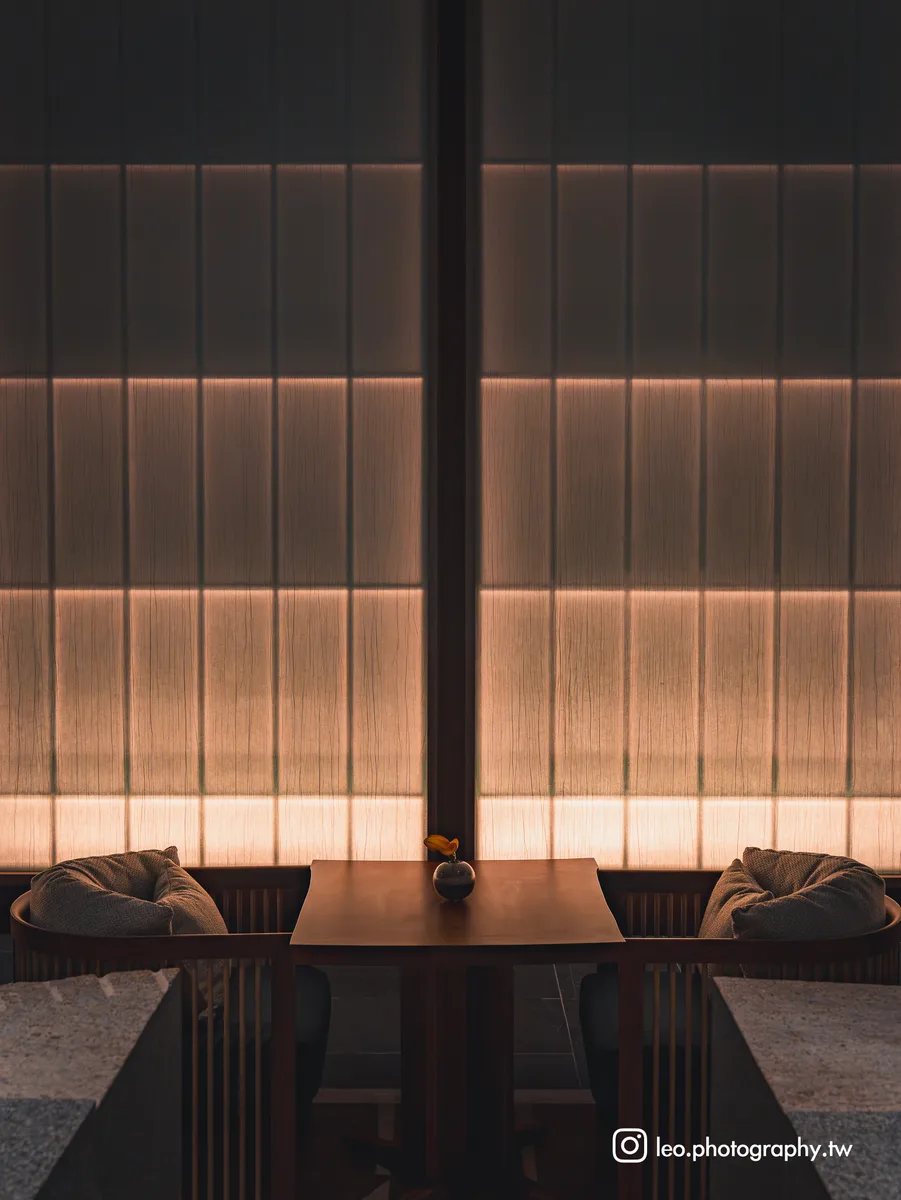
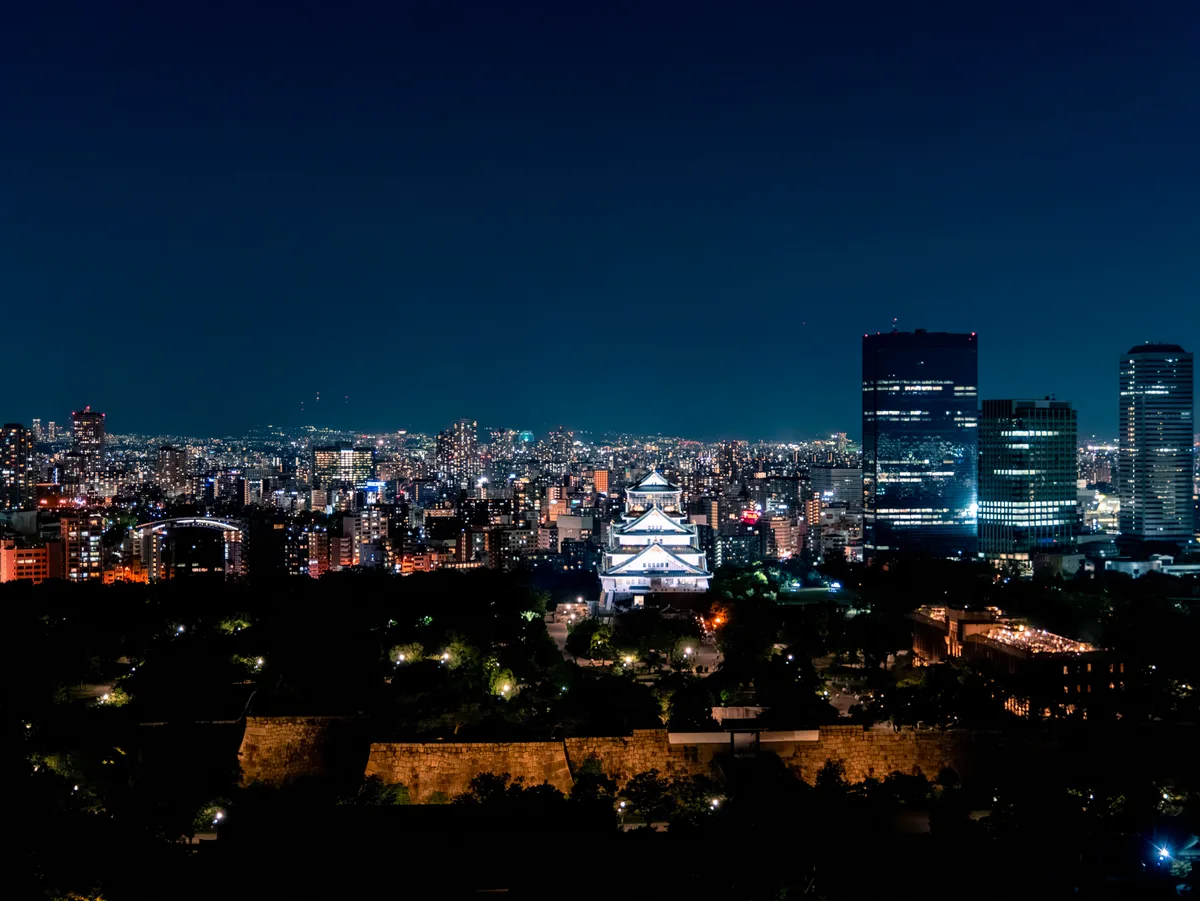
Stepping out of Barin after dinner, we found Nijiri already closed. By day the tea lounge bustles with visitors; at this hour it was just us and the night. With the lighting turned low, the indigo staircase seemed quieter still. White and blue coiled into a soundless vortex that held me there for a long while. Beyond the glass, Osaka Castle had lit up, the keep floating quietly in a sea of city lights.

Breakfast
Morning at IÑAKI
The same castle in the window, dressed now in morning colors.
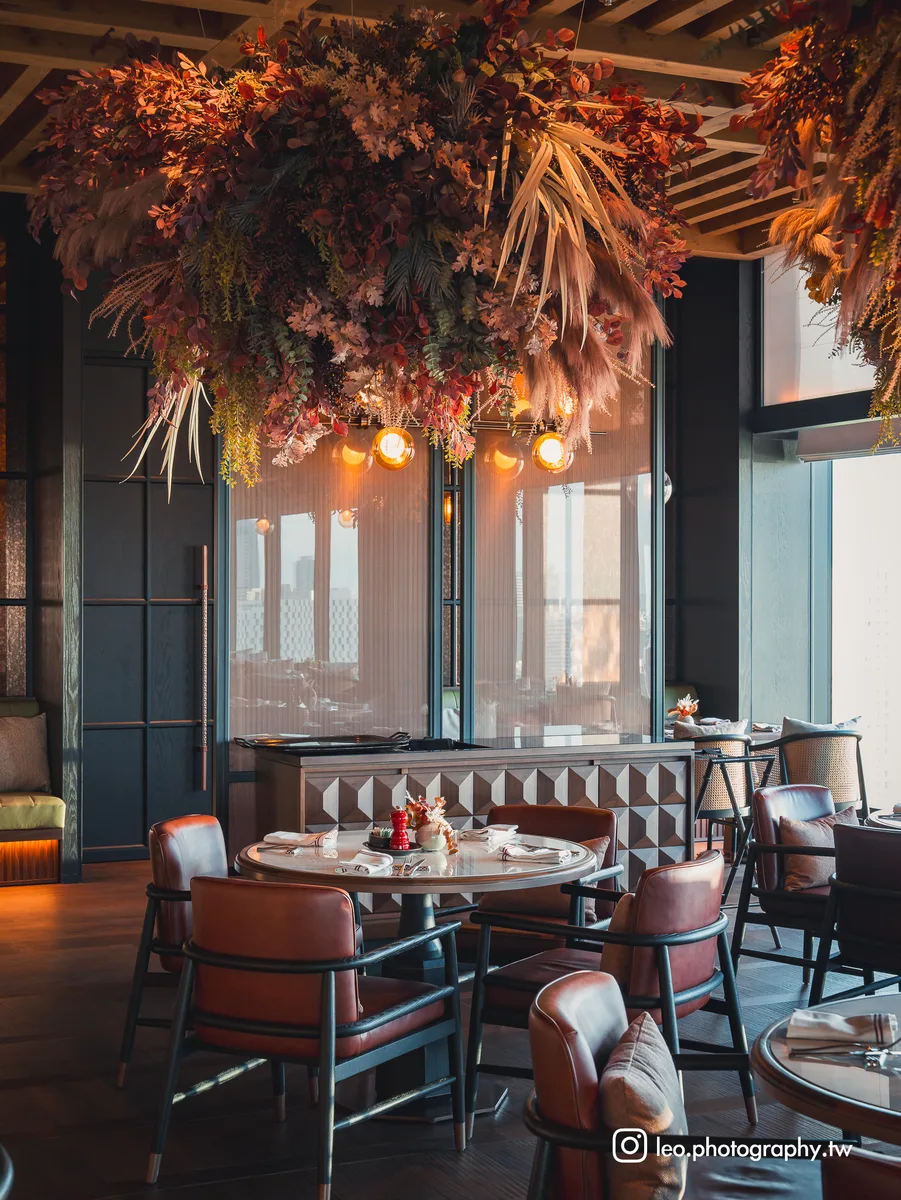
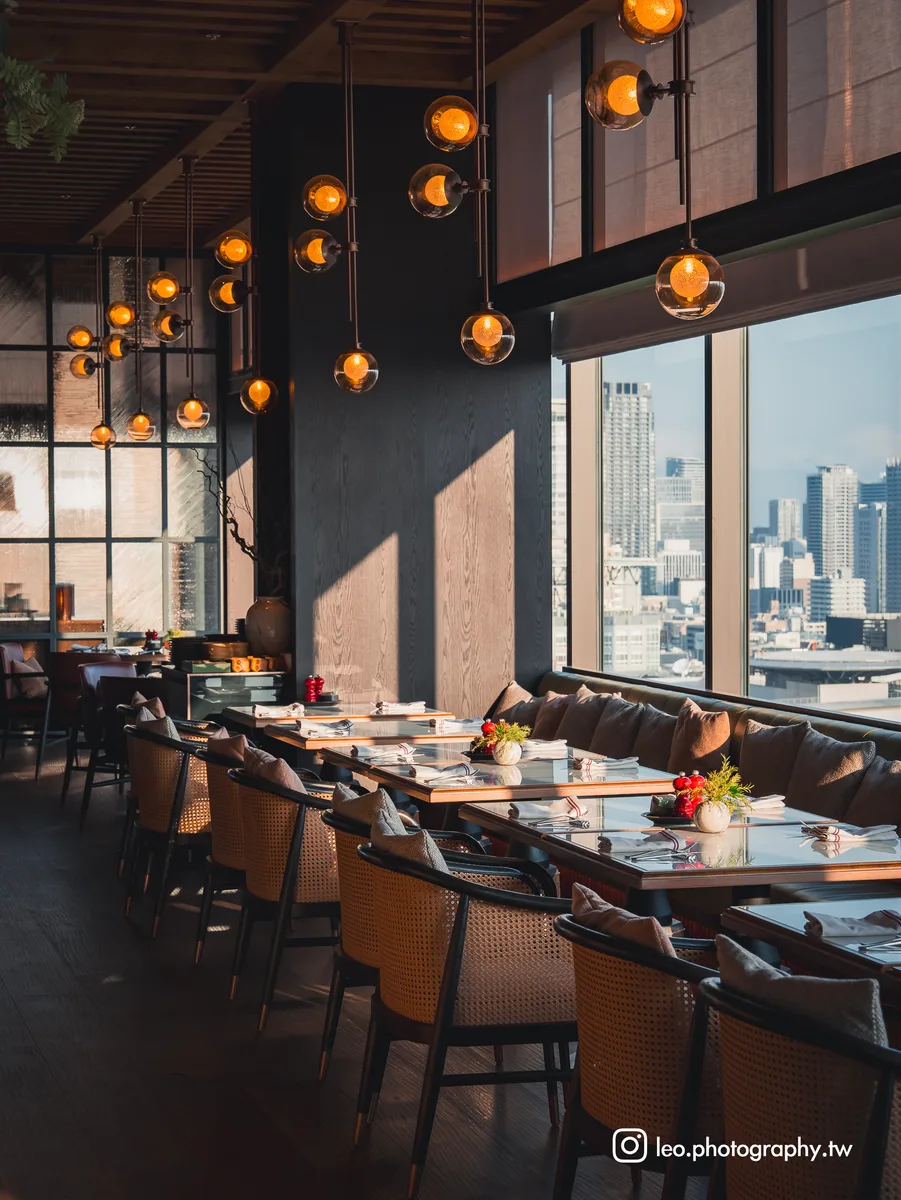
I was up early the next day. On the way down to breakfast, I passed the staircase in the morning sun and caught it in yet another mood. Breakfast is served at IÑAKI on the nineteenth floor, the restaurant that turns into a Basque wood-fire grill at lunch and dinner. A great bundle of dried flowers hangs from the ceiling, and the ochre-red chairs nod to the flames of its evening self. In the morning the room stays quiet, and the same Osaka Castle stands in the window, dressed now in morning colors. The meal runs semi-buffet, with fresh juices lined up in a row and cold dishes, hot plates, and fresh-baked breads each in their own corner. Altogether, a respectable showing.
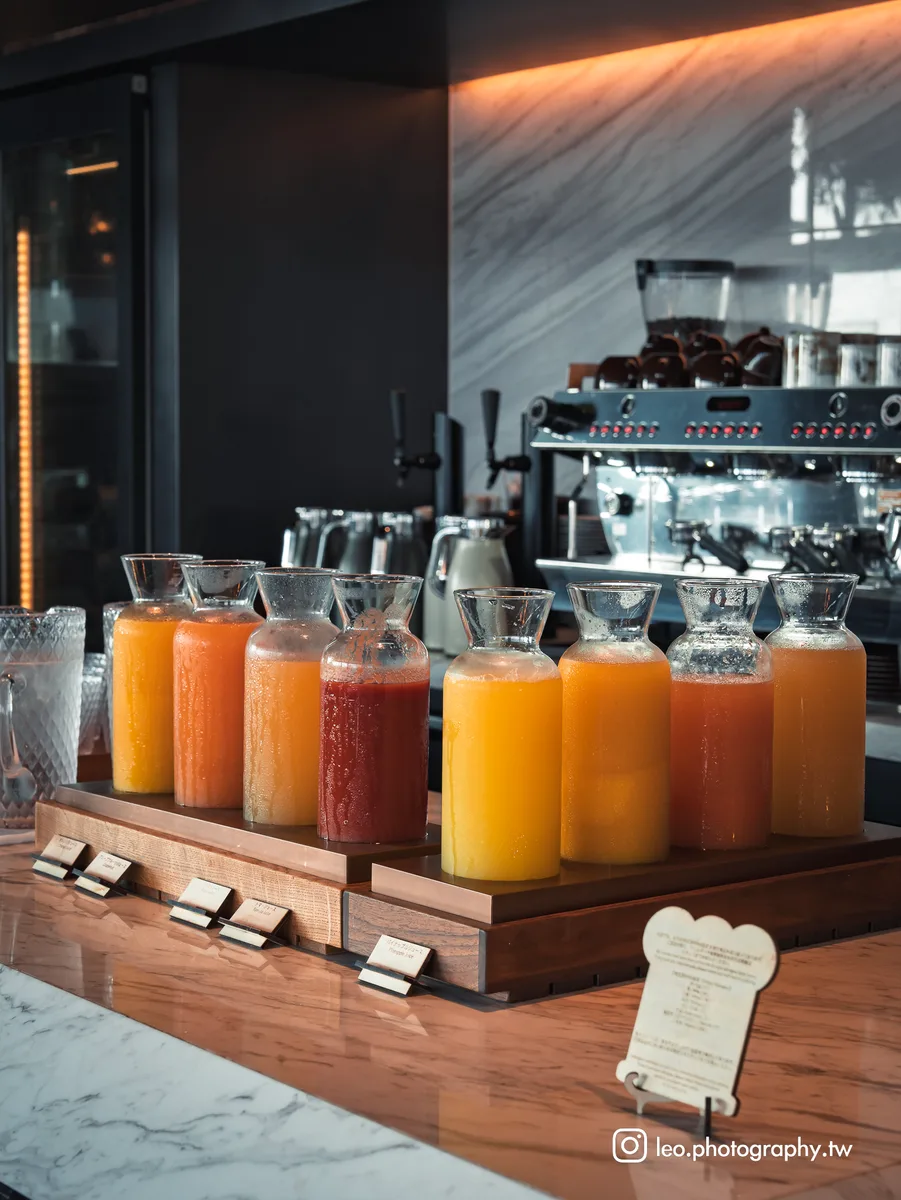
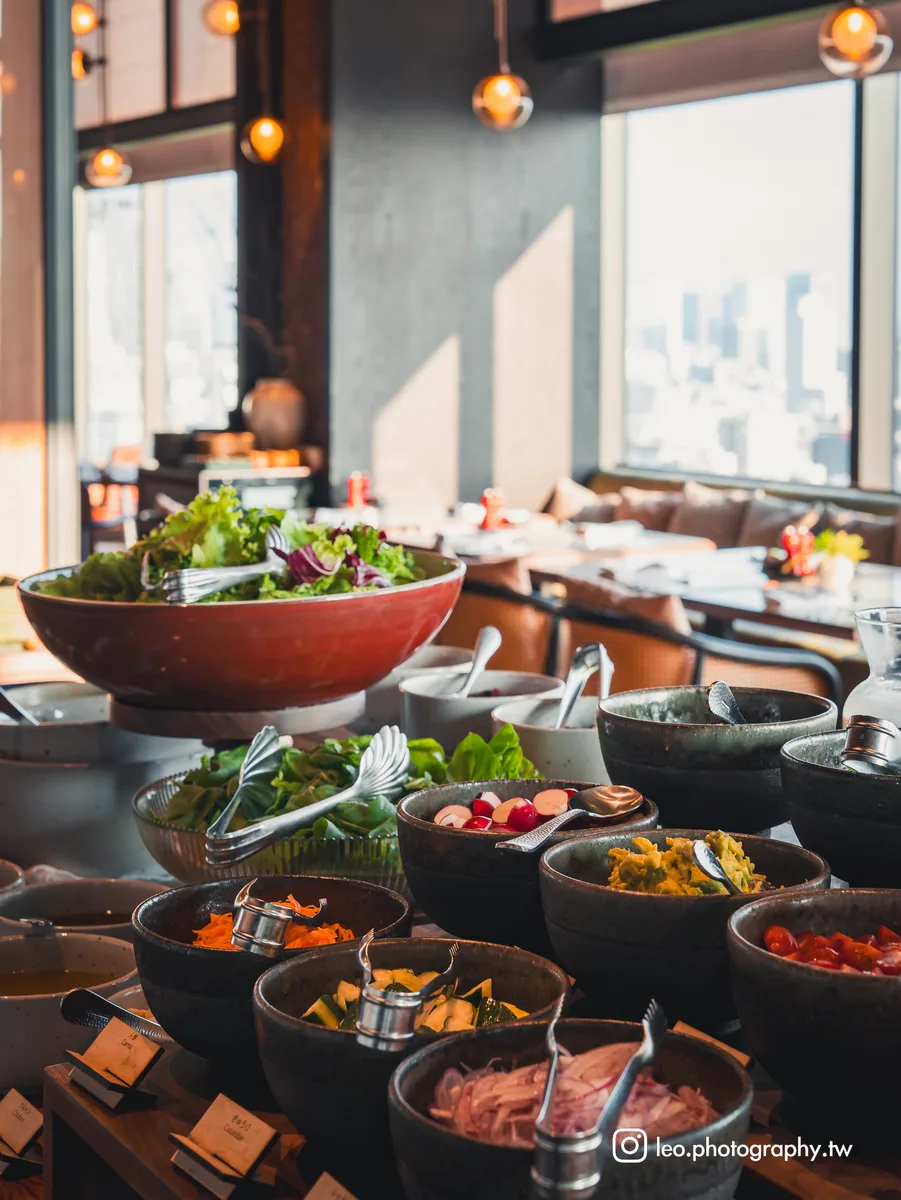
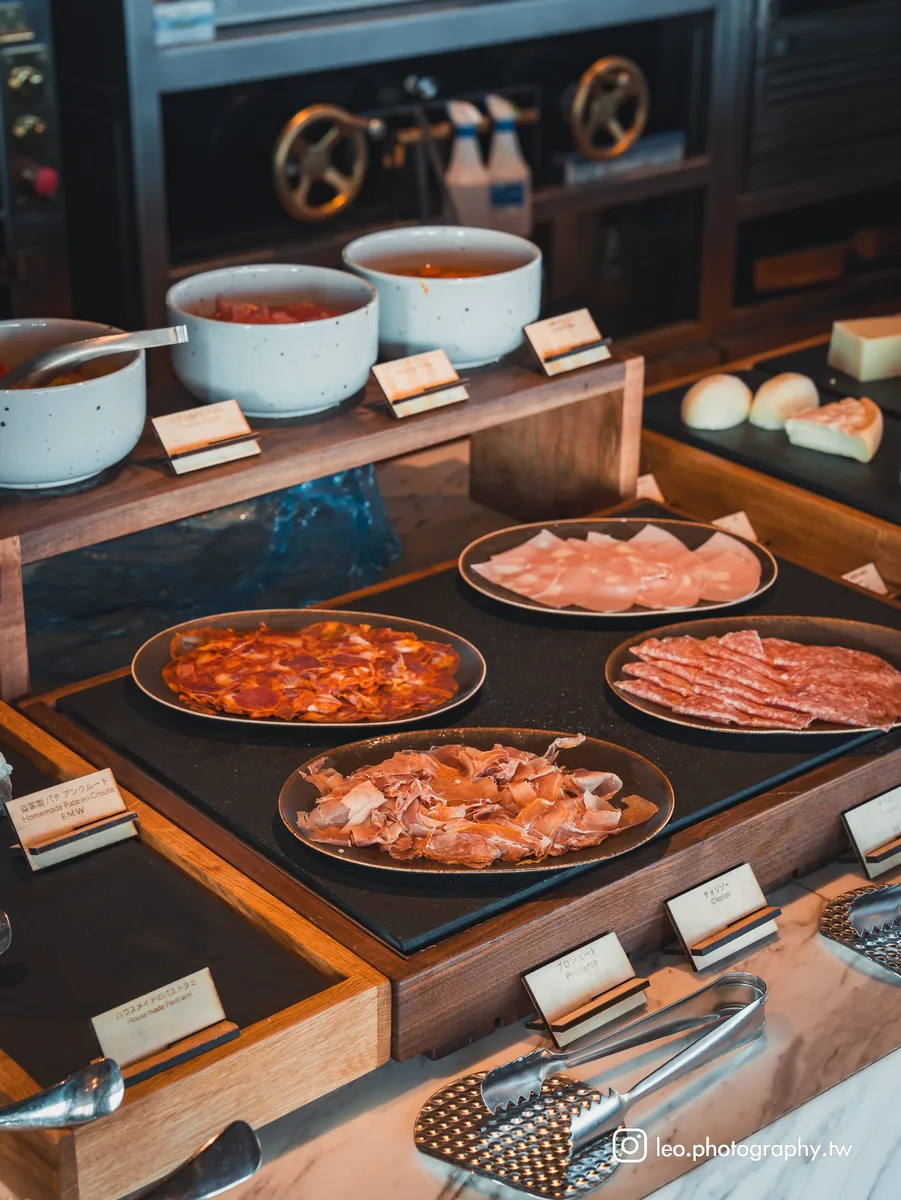
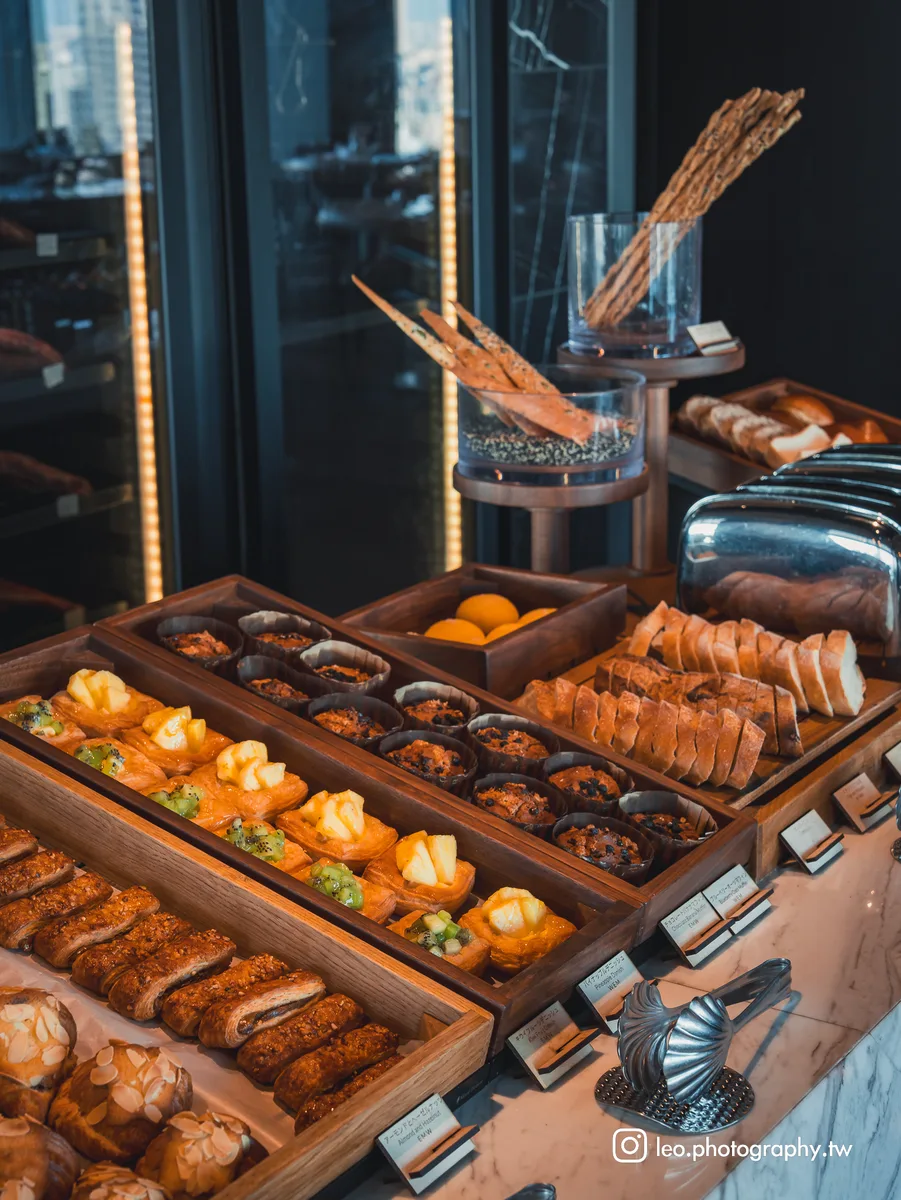
Salads and cold dishes served in dark ceramic bowls.
Listening Room
Shoes Off, Phone Away
A whole room of sound, playing for you alone.
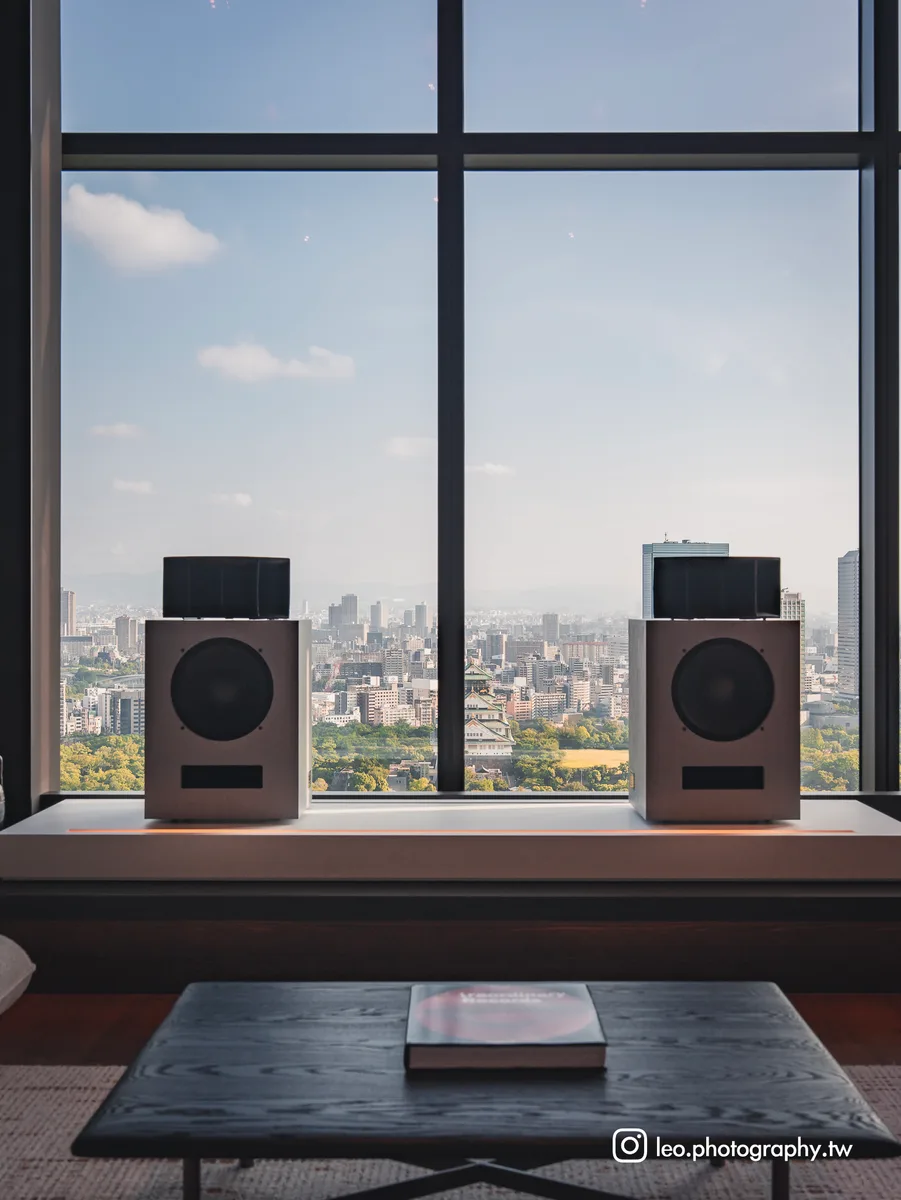
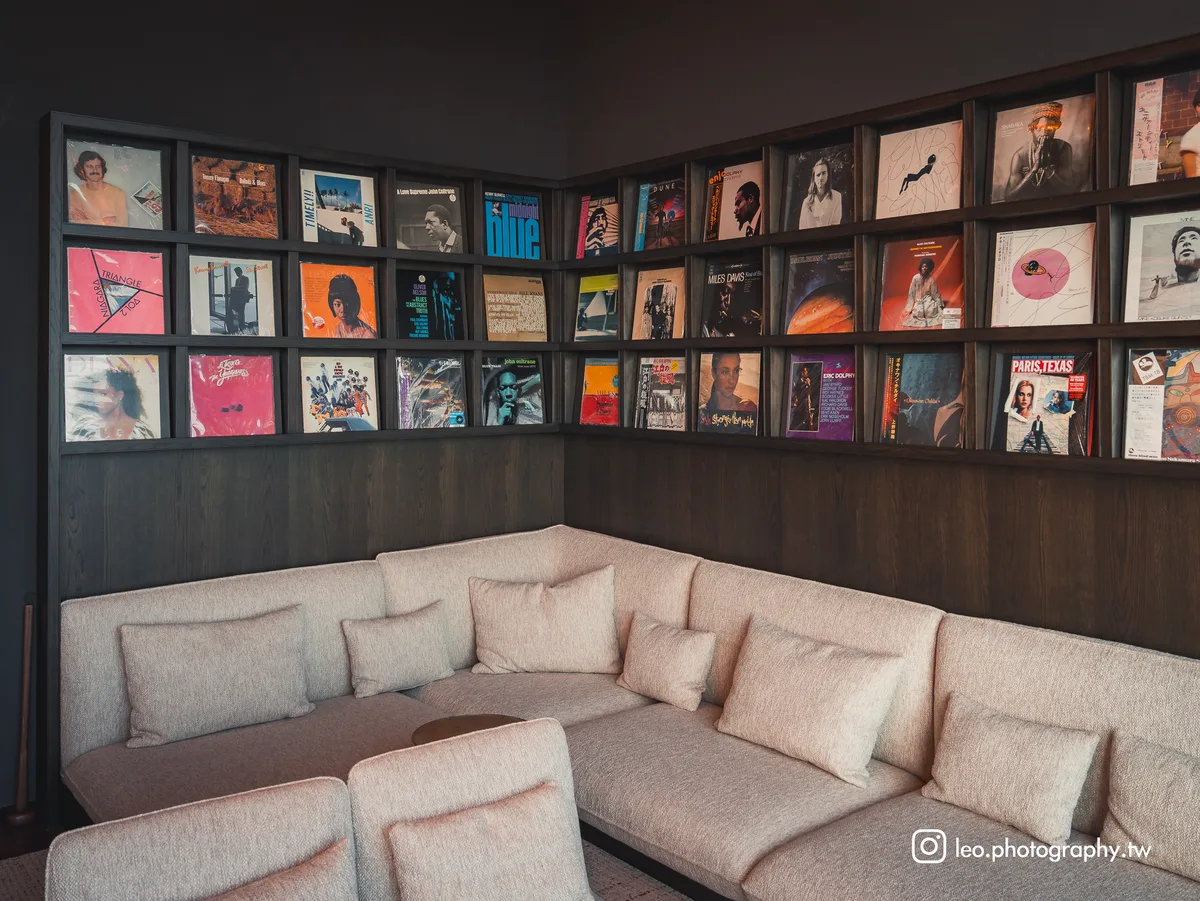
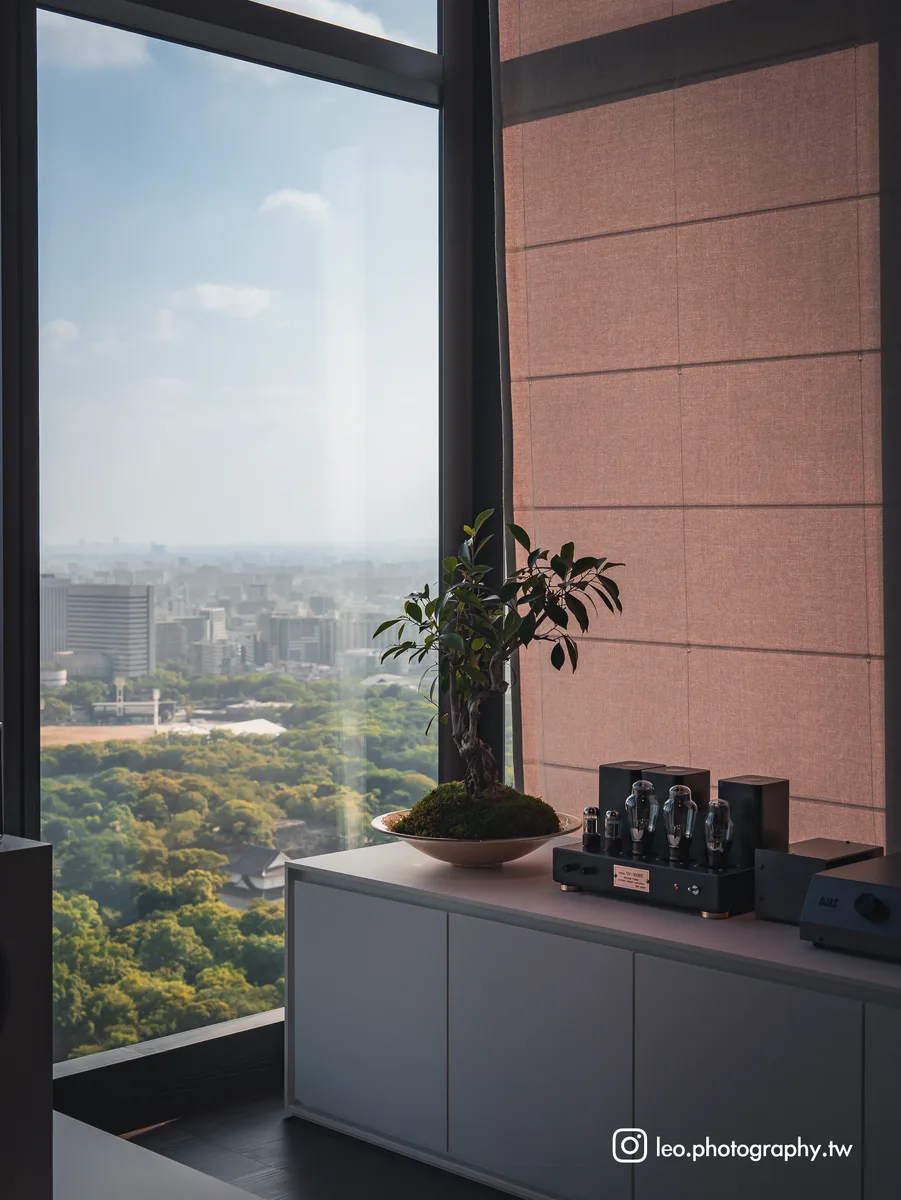
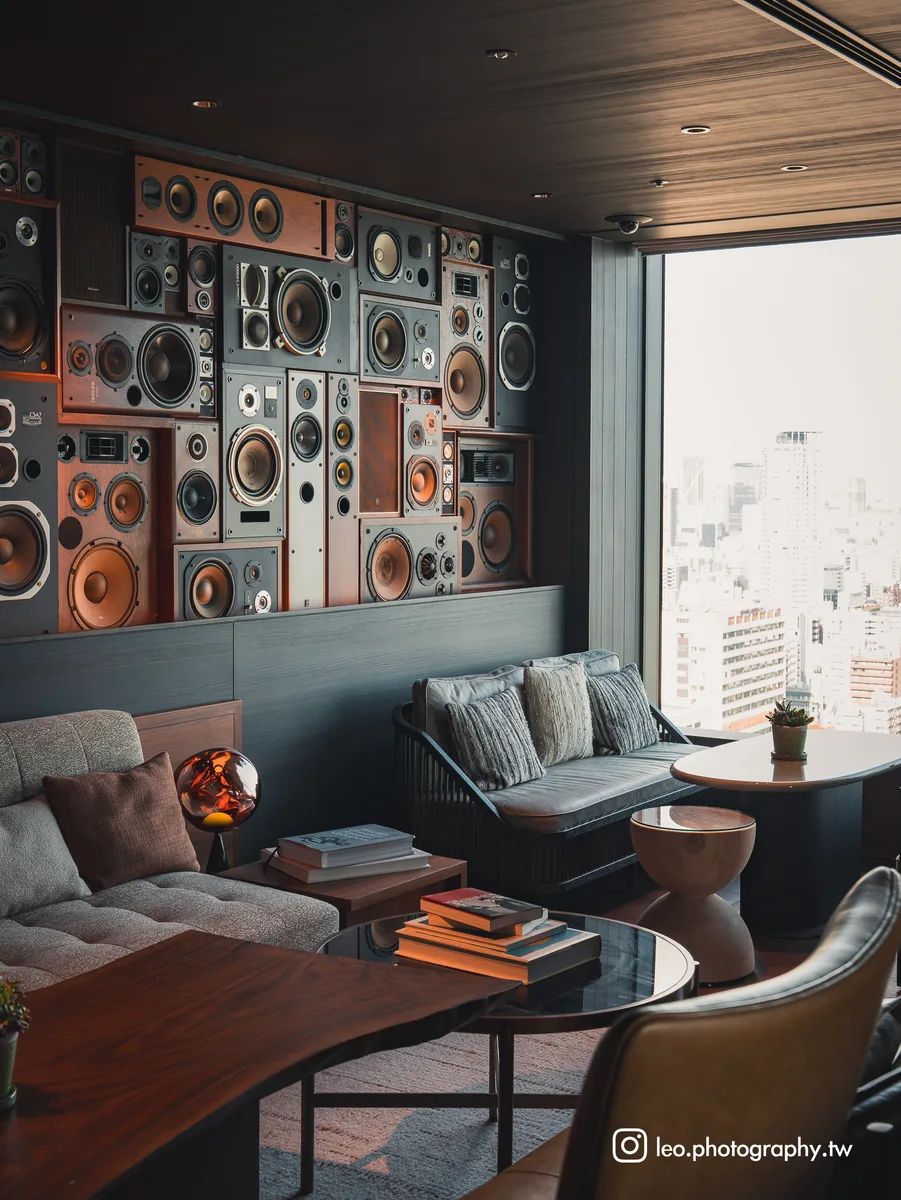
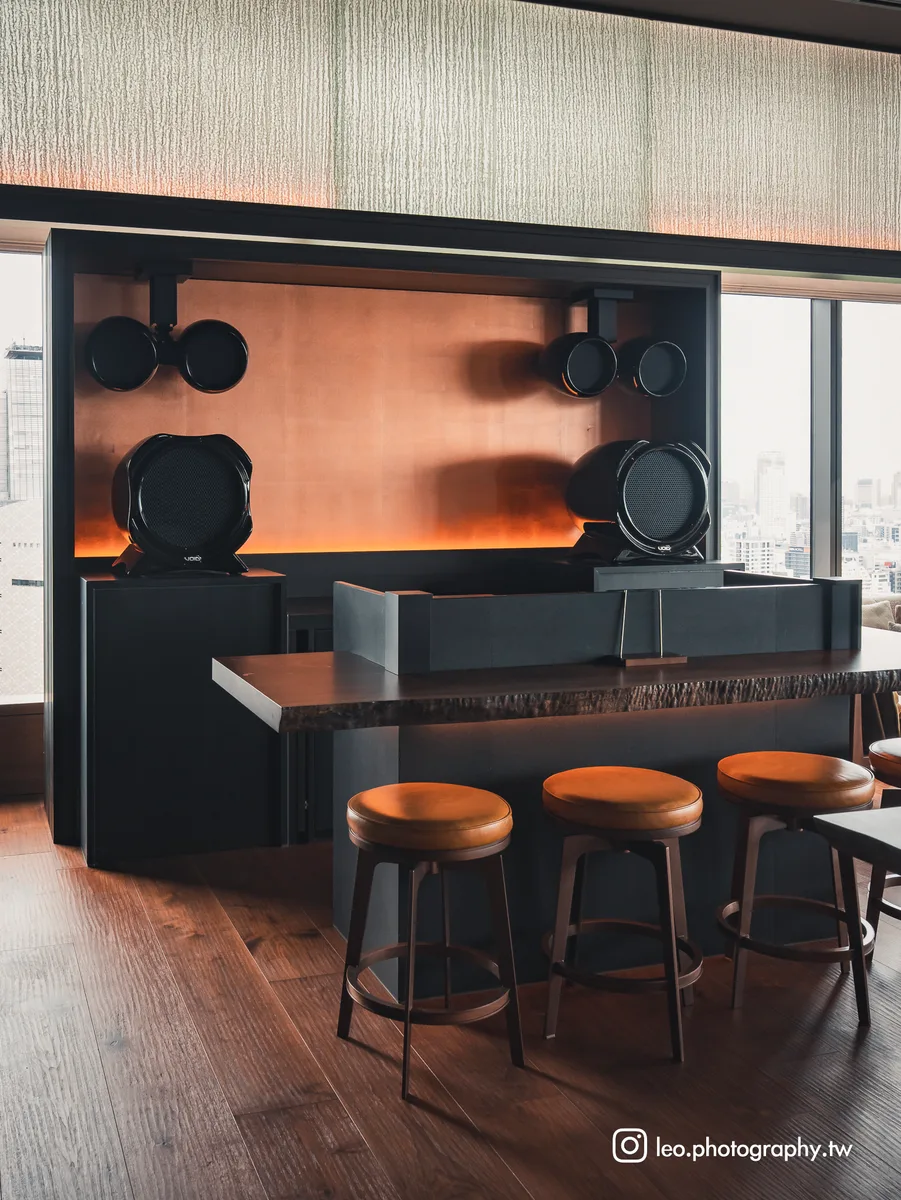
After breakfast we came to The Listening Room by OJAS, beside the staircase, the kind of space few hotels can claim. The New York sound artist Devon Turnbull (OJAS), in dialogue with Japan’s audiophile culture, built the hotel its own dedicated listening room. Step inside, and the first things you see are hand-built vacuum-tube amplifiers and horn speakers standing at the window. The room is free for hotel guests from six to half past ten each morning, and switches to paid private bookings in the afternoon. At the entrance, a sign asks guests to slip off their shoes, and the small pouch provided for your phone carries its own note, a gentle nudge to set the outside world aside and sink into the soundscape.
We were lucky that morning: no other guests, and the hour felt entirely out of the ordinary. To my ears, OJAS was less about polish and scale than immediacy, as though the performance had moved into the room. Even the smallest nuances came through. A whole room of sound, playing for you alone.
Lunch
P72 and the Seventy-Two Seasons
A table that follows nature's own calendar.
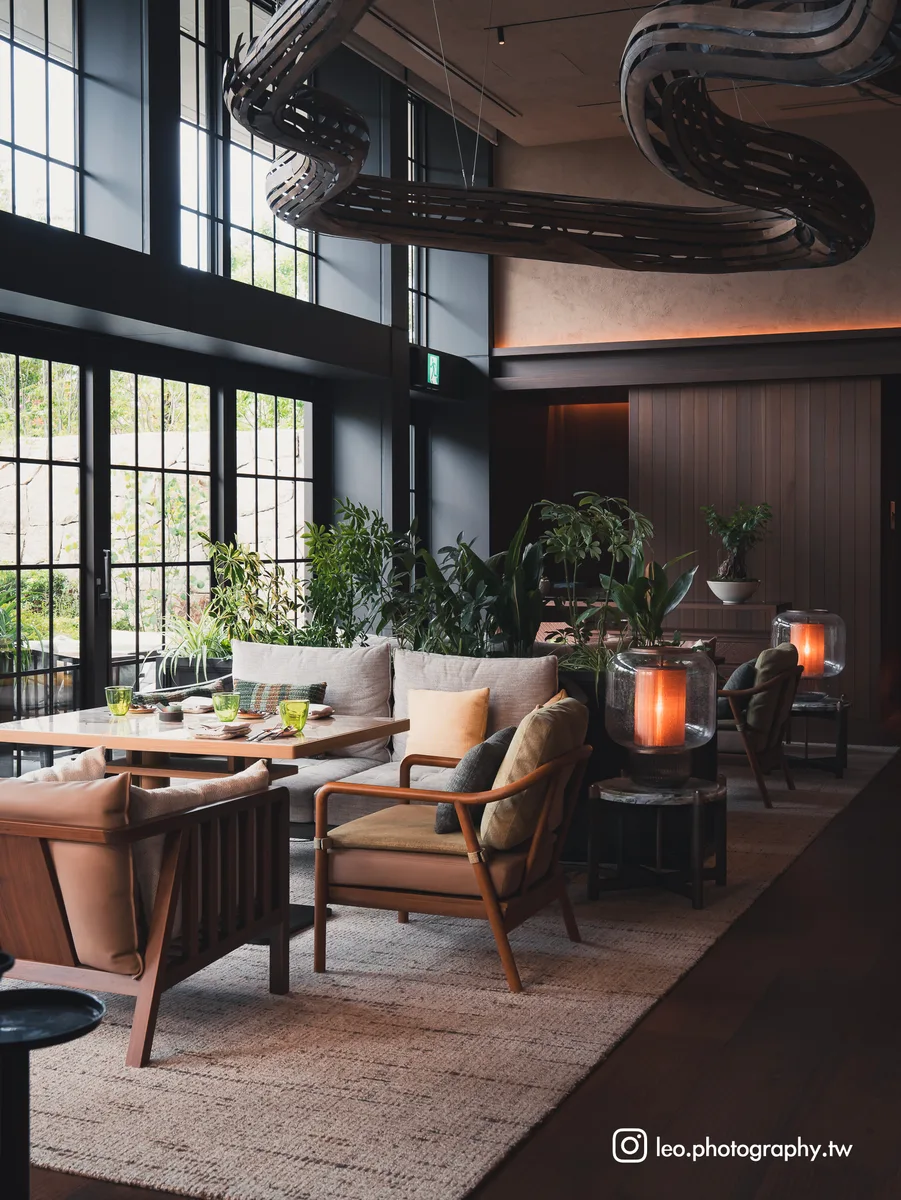
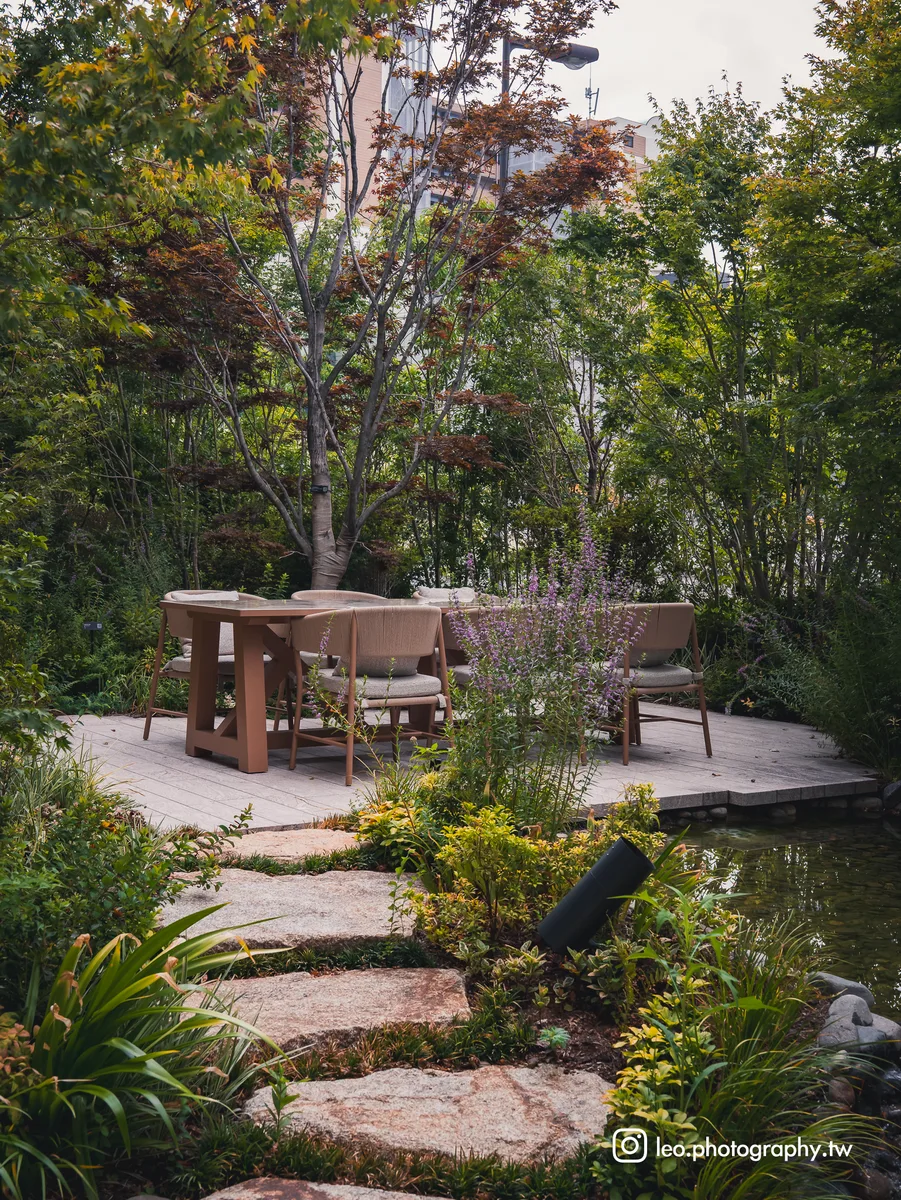
Lunch before checkout went to P72 on the ground floor. Walking in, I thought at once of Lakehouse at The Ritz-Carlton, Nikko, and a quick search confirmed the hunch: both came from Strickland’s hands. Set against Osaka’s high-rise skyline, the room still manages the air of a garden, with a suspended sculpture of reclaimed wood running along the ceiling as its centerpiece. Beside the outdoor terrace lies a small herb garden, and during the meal you might catch the staff stepping out to pick from it.
The restaurant takes its name from the seventy-two kō, the micro-seasons of the traditional Japanese calendar. They subdivide the twenty-four solar terms into periods of roughly five days. The menu takes its cue from that idea, built on local vegetables and adjusted as the seasons shift. The kitchen’s other signature is fermentation, which lends the light, plant-forward cooking a deeper layer of umami. It is hard not to think of Sekki at Six Senses Kyoto; both are tables that follow nature’s own calendar.
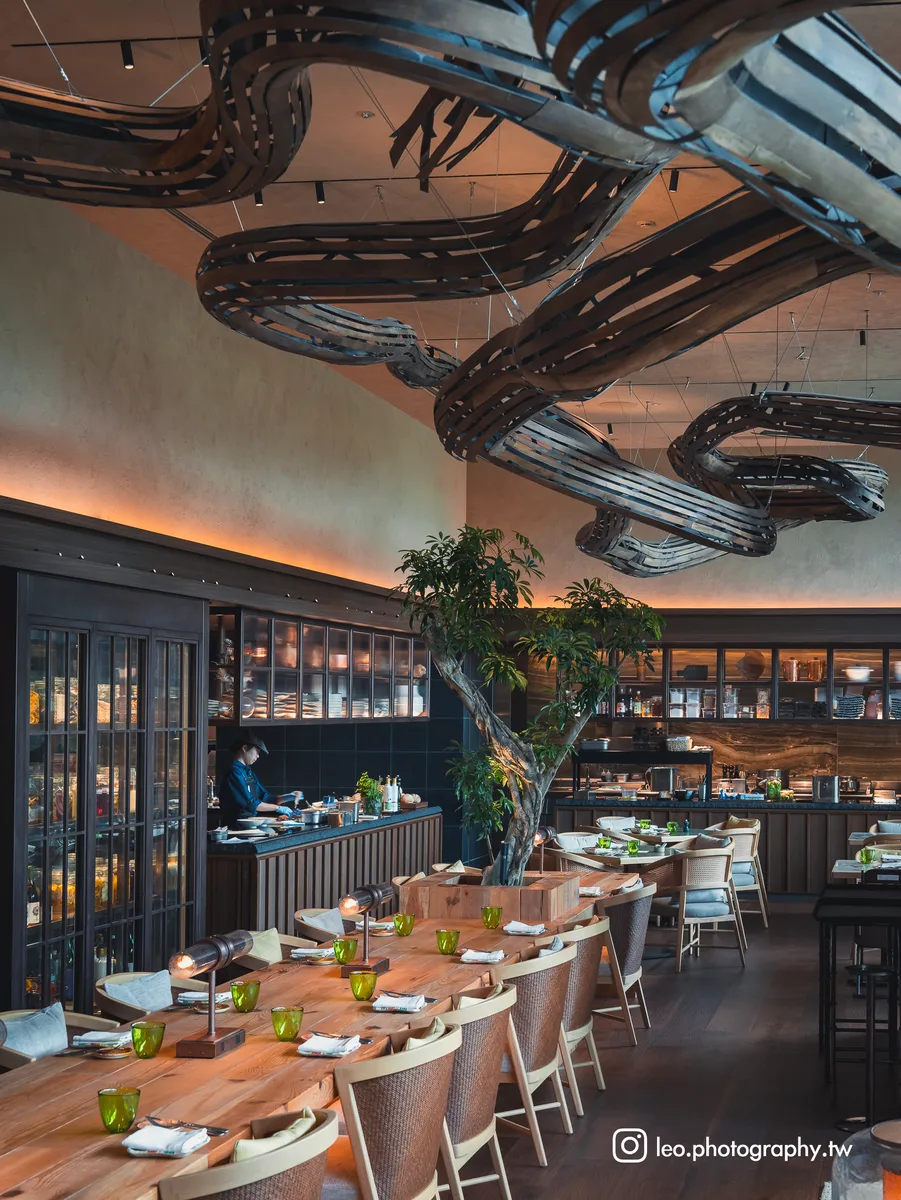
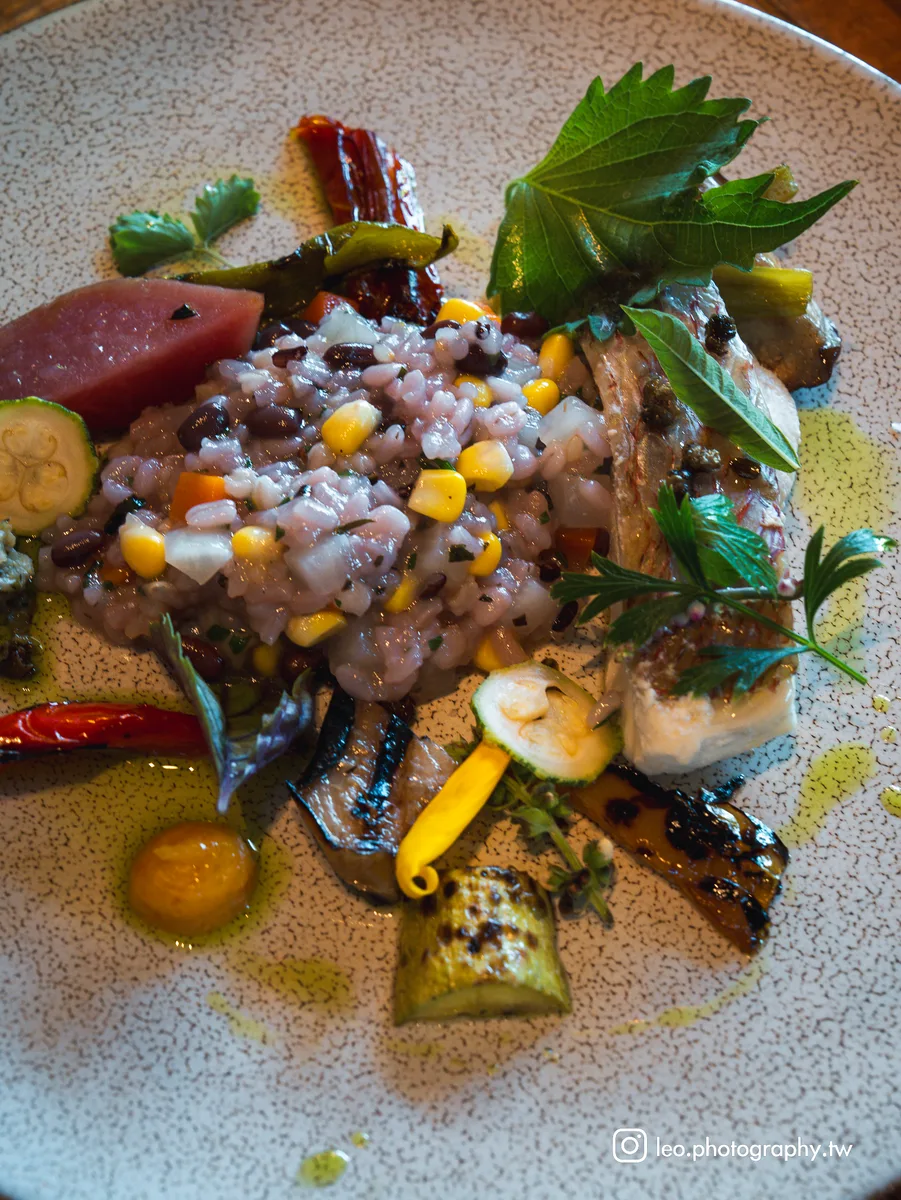
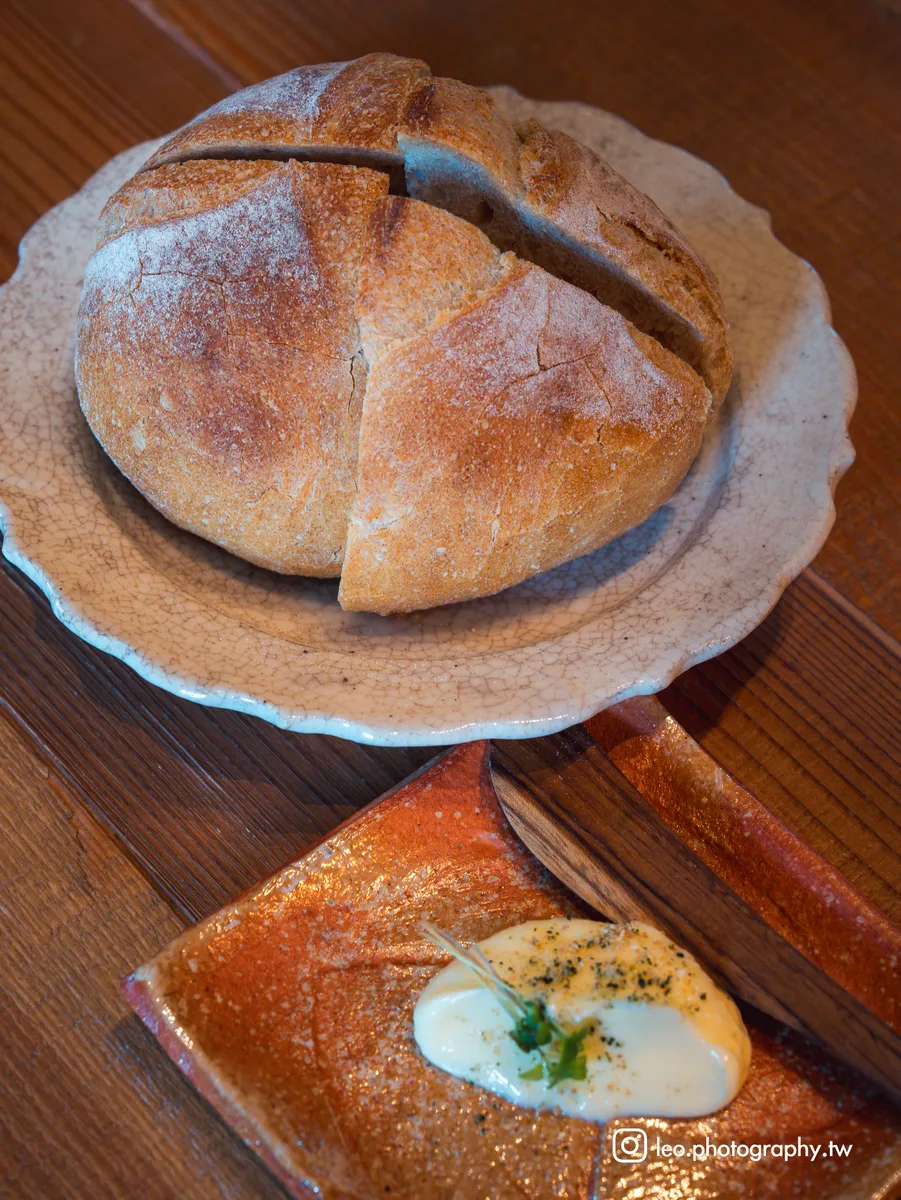
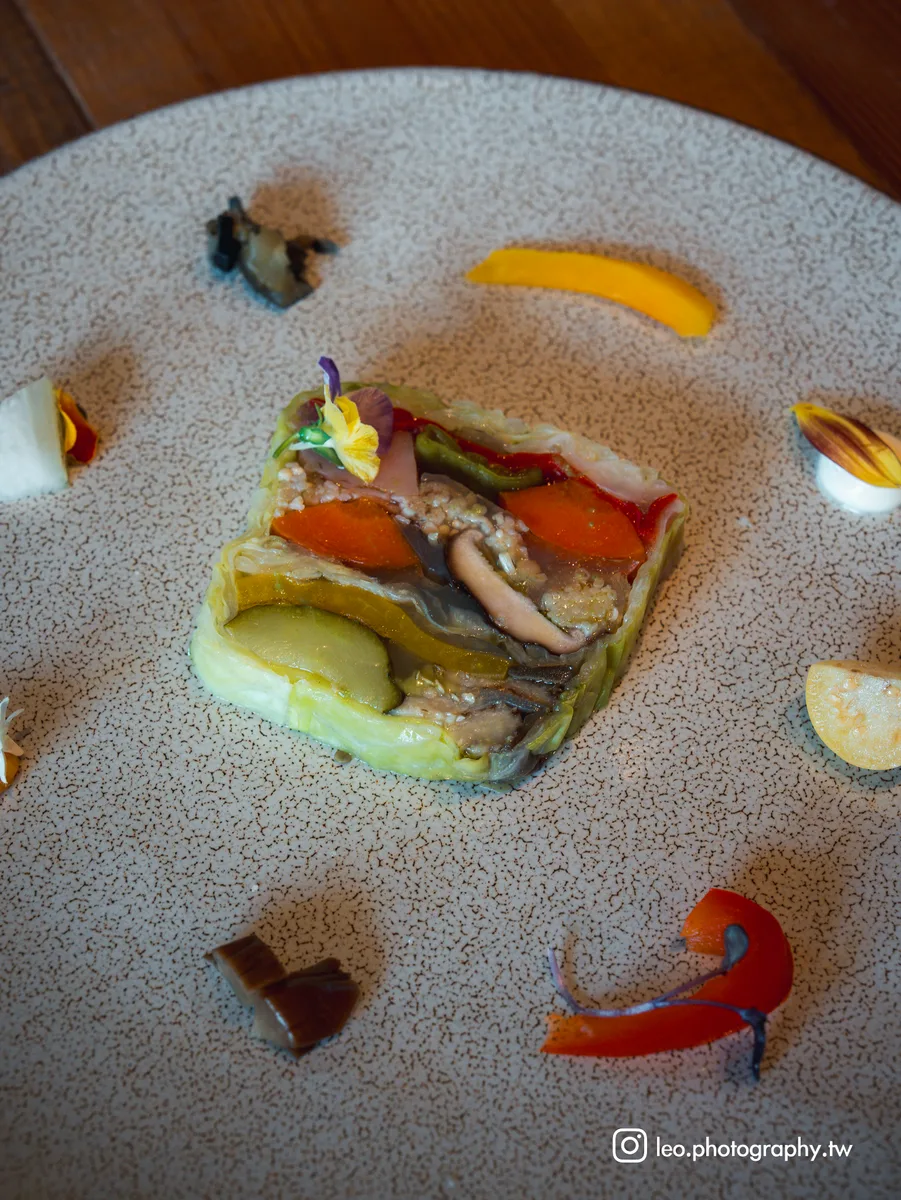
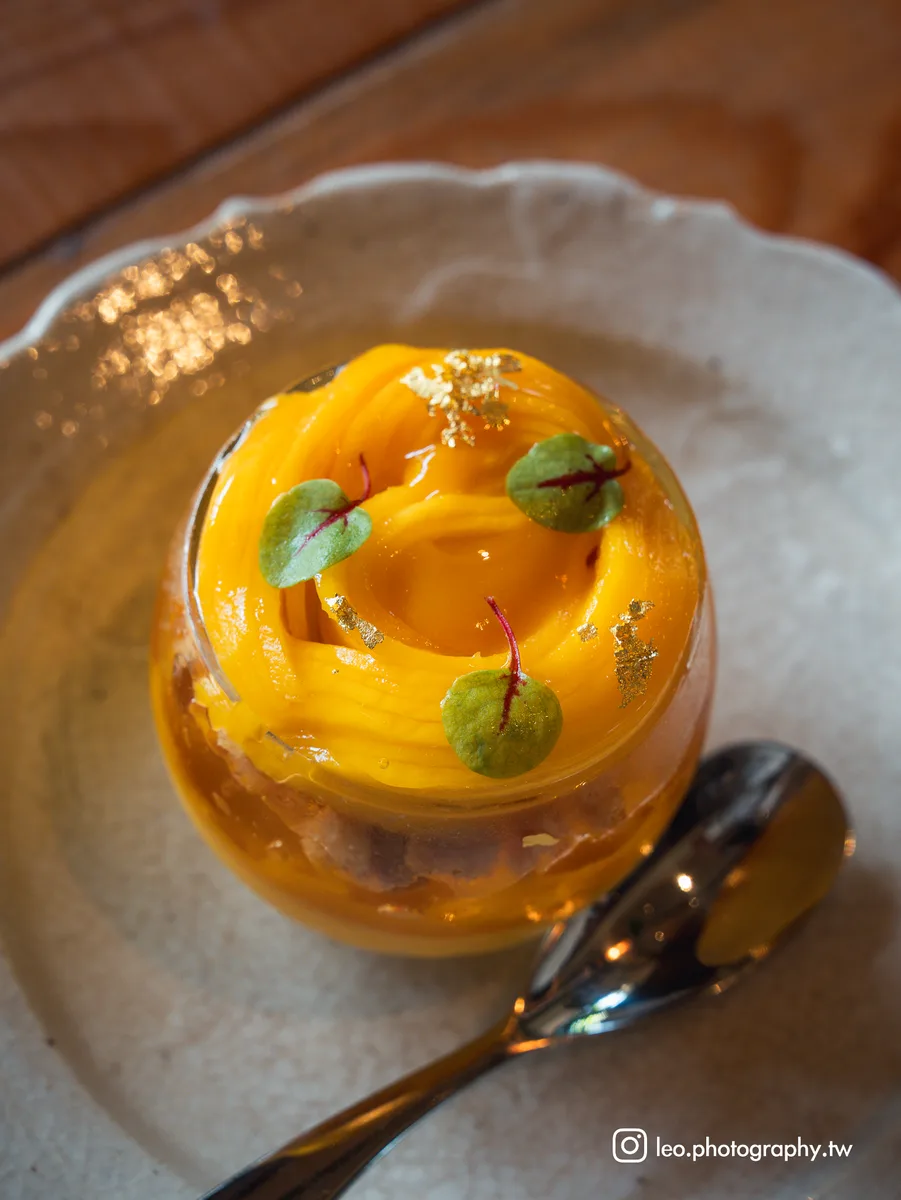
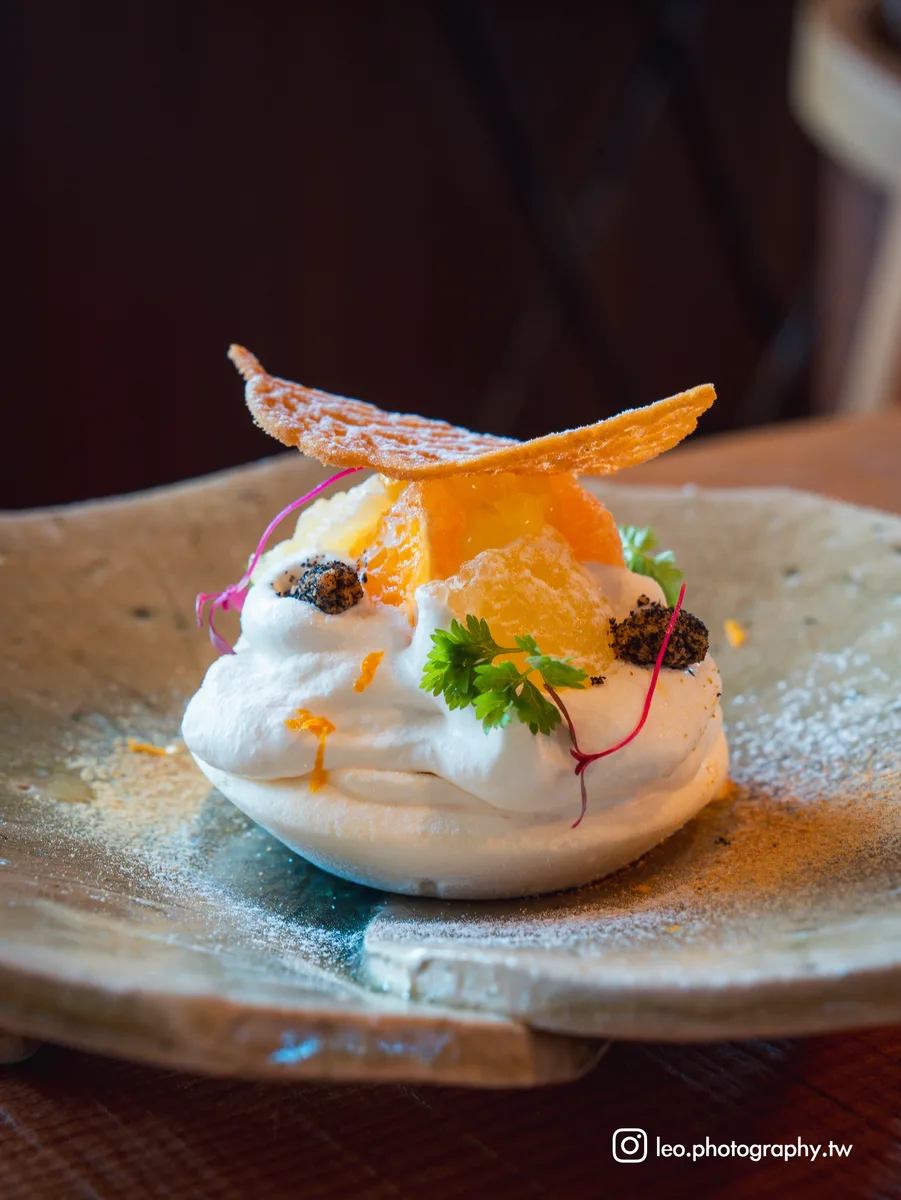
The main course leans on vegetables and grains, and the plate holds whatever is in season right now.